Illuminating the Heart of the Home: A Guide to Kitchen Lighting
Ten kitchen lighting ideas, from island pendants, under-cabinet strips and downlights to chandeliers, track lights, sconces, plinth lighting, smart controls and layering.
By Admin Published 6 min read

Kitchens have evolved from utility rooms into the central hubs of the modern home. They are spaces for serious cooking, family gatherings, working from home and evening entertaining. Because they do so many jobs, the lighting has to be equally versatile. A well-lit kitchen relies on a layered approach, combining ambient, task and accent lighting to create a space that is both practical and beautiful.
In this guide, we explore the most effective kitchen lighting ideas, from statement fittings to hidden functional strips, to help you transform your kitchen.
1. Pendant lights
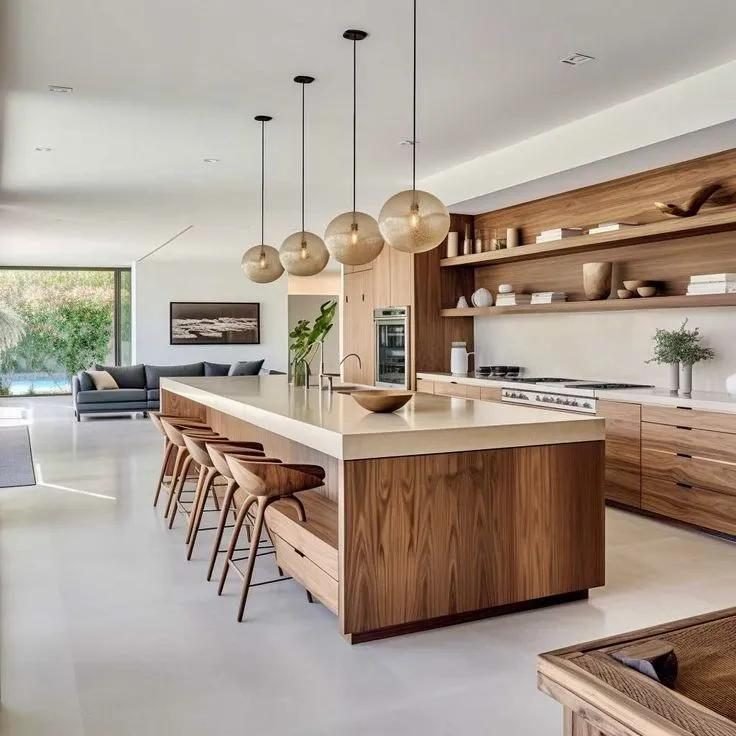
Pendant lights are perhaps the most popular choice for kitchen islands and breakfast bars. They do two jobs: providing focused task lighting for food preparation and acting as a design focal point. When selecting pendants, scale is crucial. Larger kitchens can handle oversized statement pendants, while smaller spaces benefit from slim, minimal designs.
For the best result, hang pendants roughly 75–90 cm (30–36 in) above the worktop. This height keeps them from blocking views across the room while giving plenty of light to the surface below. Grouping them in odd numbers, usually three, is a classic design trick that creates visual balance.
2. Under-cabinet lighting
Often overlooked, under-cabinet lighting is arguably the most functional layer in a kitchen. It removes the shadows cast by ceiling lights and wall cabinets, giving you a clear, bright workspace for chopping, measuring and reading recipes.
LED tape or puck lights are the standard choice here. They are energy-efficient, produce very little heat, and can be hidden behind a pelmet or recessed into the underside of the cabinet. For a professional touch, consider tunable LEDs that let you change the colour temperature from a warm white for evenings to a cooler white for daytime tasks.
3. Recessed lighting
Recessed lighting, known in the UK as downlights or spotlights (and in the US as “pot lights” or “can lights”), provides the essential ambient layer in most kitchens. The fittings sit inside the ceiling, keeping the room visually clean and uncluttered. They are ideal for general illumination and making sure there are no dark corners.
The key to successful downlighting is the layout. Avoid the “Swiss cheese” effect caused by too many holes in the ceiling. Instead, map out the busiest areas and make sure the beam spreads overlap slightly to prevent dark spots. Putting downlights on a dimmer is highly recommended, as it lets you move the kitchen from a bright workspace to a soft dining setting. Ceiling fittings should be installed by a qualified electrician, and in some homes fire-rated downlights are required, so check building regulations before you start.
4. Chandeliers
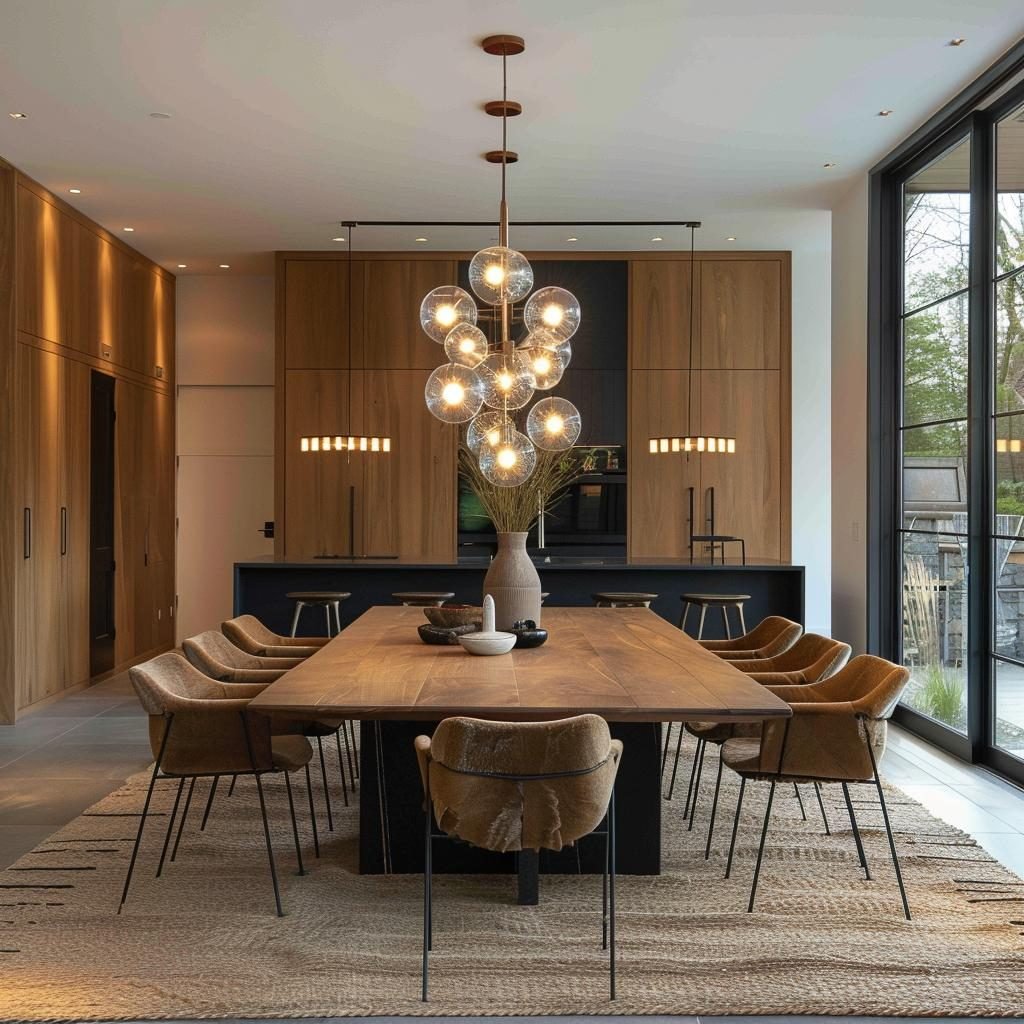
While pendants are common over islands, a chandelier can bring a sense of luxury and drama to a kitchen dining nook or a large open-plan area. A chandelier acts as a piece of art, grounding the space and defining a zone within the room.
When choosing a kitchen chandelier, consider the materials. Brushed gold, matte black and polished nickel are popular finishes that can coordinate with your cabinet handles and taps. If the chandelier hangs near the hob or another greasy area, choose a design with fewer intricate details or exposed crystals to make cleaning easier.
5. Track lighting
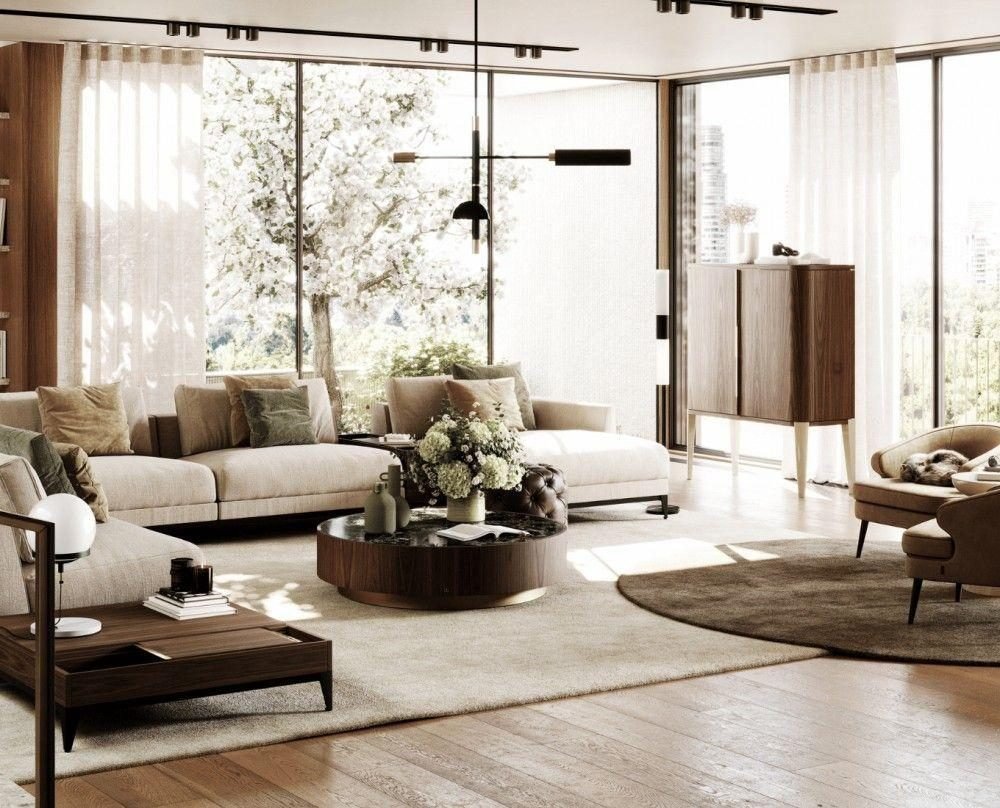
Track lighting has made a significant comeback. Unlike the bulky versions of the past, contemporary track systems are slim, flexible and stylish. They are particularly useful in kitchens with unusual layouts or where electrical points are limited.
The main advantage of track lighting is adjustability. You can slide the heads along the track and aim them exactly where you need light most, whether that is a decorative splashback, a larder entrance or a particular workstation. Matte black or white tracks can either stand out as an industrial feature or blend quietly into the ceiling.
6. Wall sconces
Wall sconces are an excellent way to add accent lighting and character to your kitchen. They are often used above open shelving or either side of a window above the sink. Sconces help break up long runs of cabinetry and can highlight architectural features or decorative displays.
Swing-arm sconces are a particularly popular choice because they can be moved to direct light where it is needed. They add a boutique café or bistro feel, making the space feel curated rather than purely practical. Near the sink, choose fittings with a suitable IP rating and follow the manufacturer’s guidance.
7. Toe kick lighting
Toe kick lighting, often called plinth lighting in the UK, is a sophisticated addition with both decorative and practical benefits. LED strips are fitted into the plinth at the base of the lower cabinets, creating the illusion that the cabinetry is floating.
Practically, plinth lighting makes an ideal night light. When you come into the kitchen for a glass of water in the middle of the night, it gives enough light to move around safely without the glare of the ceiling lights. Connected to a motion sensor, it switches on and off by itself.
8. Natural light
No artificial light fully replaces daylight. Making the most of natural light helps a kitchen feel larger, cleaner and more welcoming. Large windows, glazed doors and roof lights are the best ways to bring the outdoors in.
If privacy is a concern, consider clerestory windows, narrow windows set high on the wall, which let light in while keeping the interior out of view. Reflective surfaces, such as glossy splashbacks and pale worktops, also bounce daylight around the room and brighten the space further.
Tip: Choose a consistent colour temperature for all the fixed lights in one open-plan space. Mixing warm and cool bulbs at random is one of the quickest ways to make an otherwise well-designed kitchen feel disjointed.
9. Smart lighting
Smart lighting gives you a level of control that traditional switches cannot. By linking your kitchen lights to a home automation system, you can create scenes for different times of day, such as a “Cooking” scene with every light at full brightness and a “Dinner party” scene with dimmed pendants and warm accent lights.
Smart bulbs also let you adjust colour temperature: cooler, brighter light for daytime tasks and warmer light for relaxed evenings. Voice assistants make it even easier to change the lighting when your hands are full of shopping or covered in flour.
10. Layering techniques
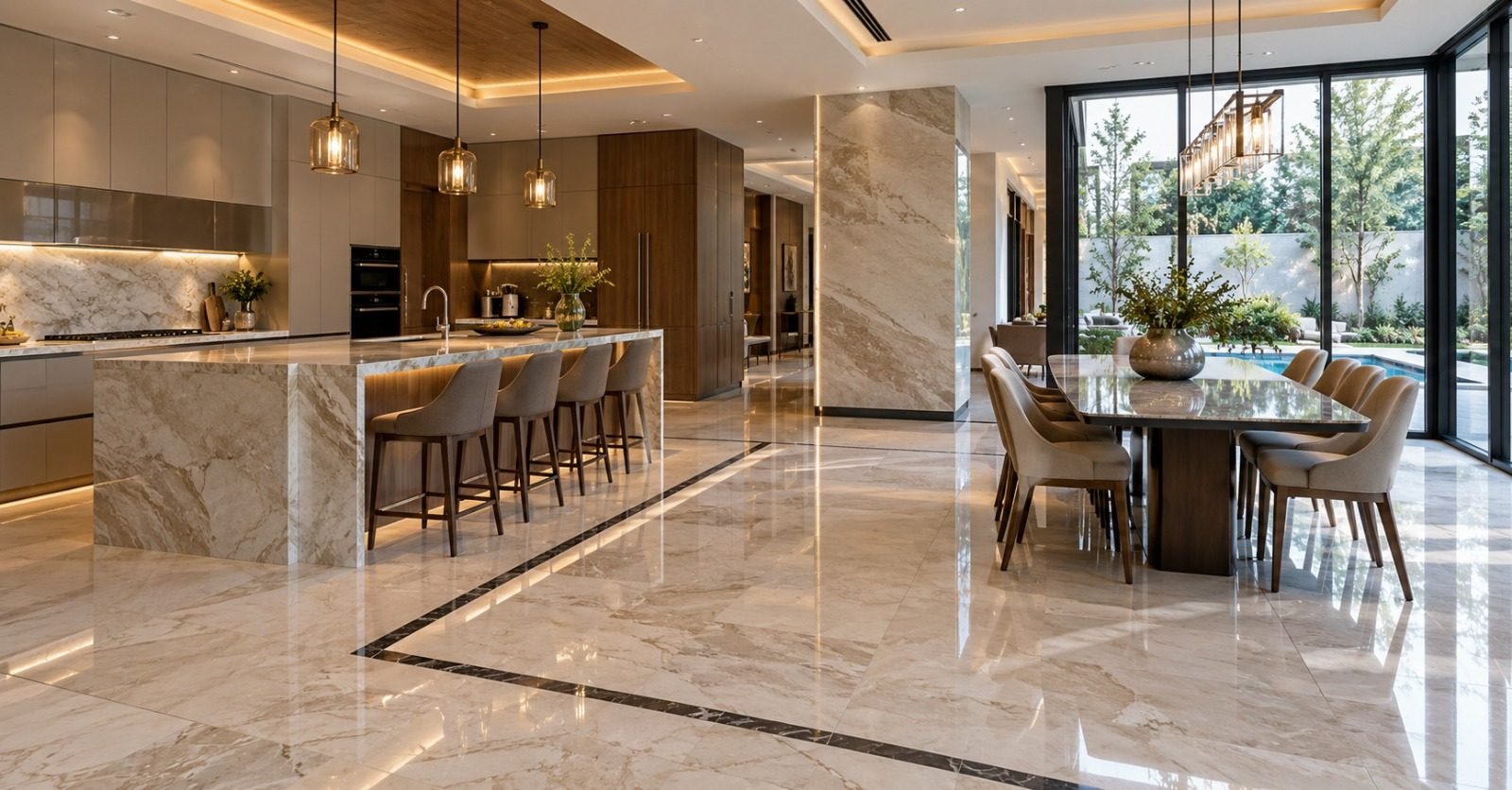
The most successful kitchen lighting schemes combine the elements above. This is known as layering. Start with your task lighting (under-cabinet strips and island pendants), then add ambient lighting (downlights or track lights) to fill the room. Finally, add accent lighting (sconces or plinth lights) for depth and visual interest.
By putting each layer on a separate switch or smart control, you gain full control over the mood and function of the space. Whether you are prepping a five-course meal or enjoying a quiet cup of coffee, the right combination keeps your kitchen shown in its best light.
For more ideas, read our complete guide to kitchen decoration, our tips on styling kitchen worktops and our room-by-room guide to layered lighting. Explore our lighting and ceiling decor service, or book a consultation to plan your kitchen lighting.


