Lighting Ideas Home Decor Trends
The Ultimate Guide to Kitchen Decoration: Transforming the Heart of Your Home
A complete guide to kitchen decoration: choosing a style, colour and texture, Shaker cabinets and brass hardware, pendant and under-cabinet lighting, splashbacks, worktops and finishing touches.
By Admin Published 6 min read

The kitchen is no longer just a place for meal preparation; it has evolved into the beating heart of the modern home. It is where families gather for morning coffee, where guests linger during dinner parties, and where memories are seasoned and served. Decorating this space requires a delicate balance between hard-working utility and inviting aesthetic appeal. Whether you are working with a sprawling gourmet space or a compact urban kitchenette, the right design choices can elevate your daily routine into an inspired experience.
In this guide, we explore the essential elements of kitchen decoration, from cabinetry and colour to the finer details such as hardware, lighting and greenery.
Defining your design aesthetic
Before you pick up a paintbrush or browse for splashback tiles, define the “vibe” of your kitchen. Consistency is key to creating a space that feels intentional and cohesive.
1. Modern minimalism
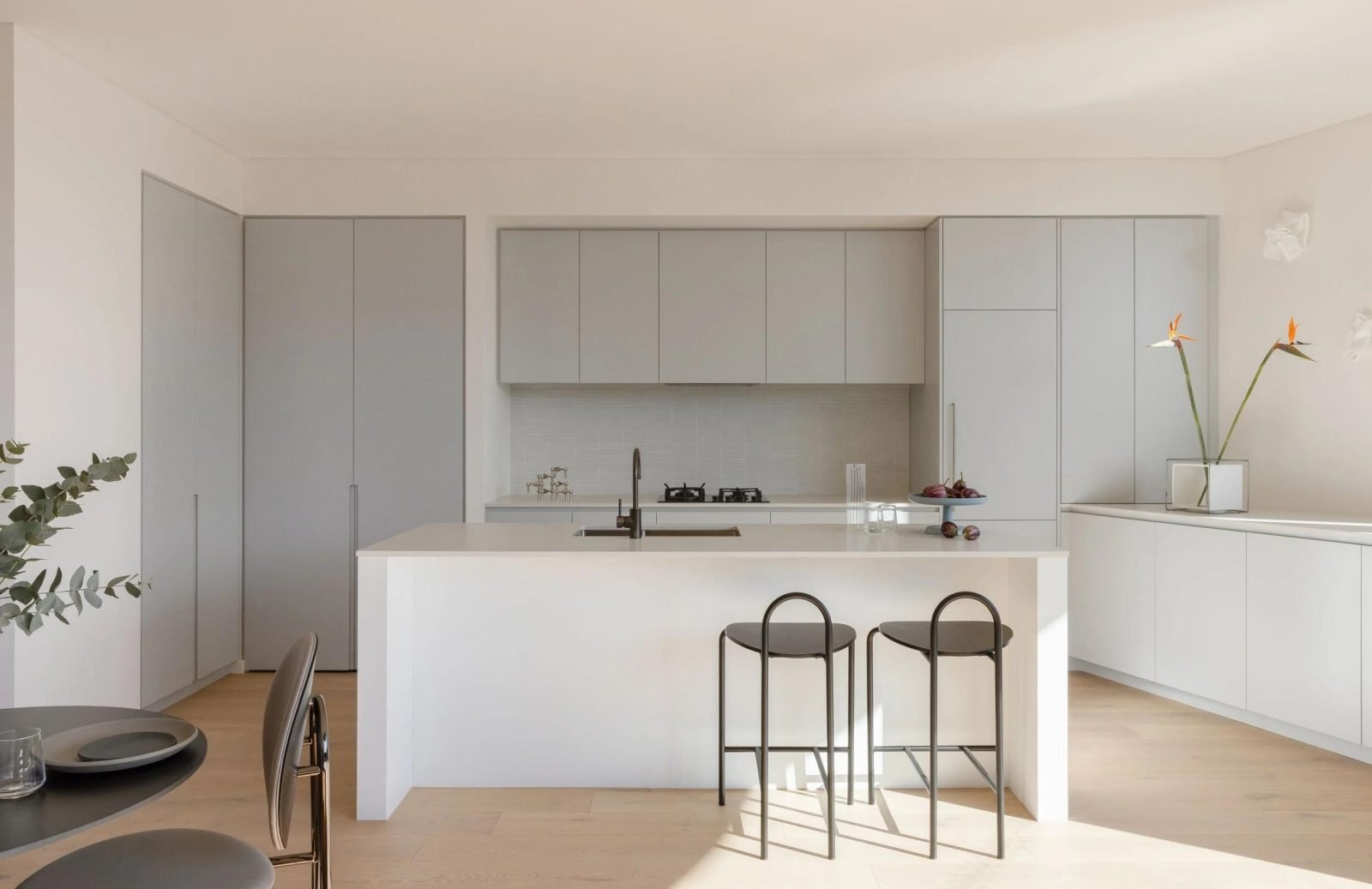
Minimalism is about the “less is more” philosophy. In a modern kitchen, this translates to flat-panel cabinets, hidden storage and a monochromatic colour palette. To keep it from feeling cold, focus on high-quality materials such as polished stone or brushed metal. The goal is to eliminate visual clutter, allowing the architecture of the room to shine.
2. Rustic farmhouse
The farmhouse style is all about warmth and nostalgia. It celebrates “imperfections” through natural textures such as distressed wood, stone and wrought iron. Elements such as a deep farmhouse sink, open shelving for displaying vintage ceramics, and a large communal table instead of an island help create an atmosphere that is both rugged and welcoming.
3. Industrial edge
Inspired by urban lofts, the industrial style leans into raw, unfinished materials. Think exposed ductwork, brick walls and concrete floors. To decorate an industrial kitchen, use a mix of metal and wood. Stainless steel appliances look particularly striking against darker backgrounds, and heavy-duty hardware provides a sturdy, professional feel.
The power of colour and texture
Colour is the most effective tool for changing the mood of a kitchen. It can make a small space feel airy or a large space feel intimate.
4. Neutral tones
Neutral palettes, including whites, greys and beiges, are timeless. They reflect light, making the kitchen appear larger and cleaner. To prevent a neutral kitchen from looking flat, layer different textures: combine a glossy tiled splashback with matte cabinetry and a textured rug to create depth without needing bright colours.
5. Bold accents
If you want a kitchen with personality, don’t be afraid of dark or vibrant hues. Navy blue, forest green and charcoal grey have become popular choices for cabinetry. If you are hesitant to commit to all-dark cabinets, try a “tuxedo” look: dark lower cabinets and white upper cabinets. This keeps the upper half of the room feeling light while providing a grounded, dramatic base.
Cabinetry and hardware: the skeleton of design
Cabinets occupy the most visual space in a kitchen, and their style dictates the overall direction of the room.
6. Shaker cabinets
Shaker-style cabinets are the “little black dress” of kitchen design. They are remarkably versatile, fitting into traditional, transitional and even modern homes. Their clean lines provide a sense of order, and they serve as the perfect backdrop for virtually any type of hardware.
7. Brass hardware
Think of hardware as the jewellery of the kitchen. Changing your knobs and pulls is one of the easiest and most affordable ways to update the decor. Brass and gold finishes have seen a strong resurgence, offering a warm, luxurious contrast to both dark and light cabinetry. For a more modern or industrial look, matte black hardware provides a sharp, graphic punch.
Lighting as a focal point
Lighting is often overlooked, but it is crucial for both function (task lighting) and atmosphere (ambient lighting).
8. Pendant lights
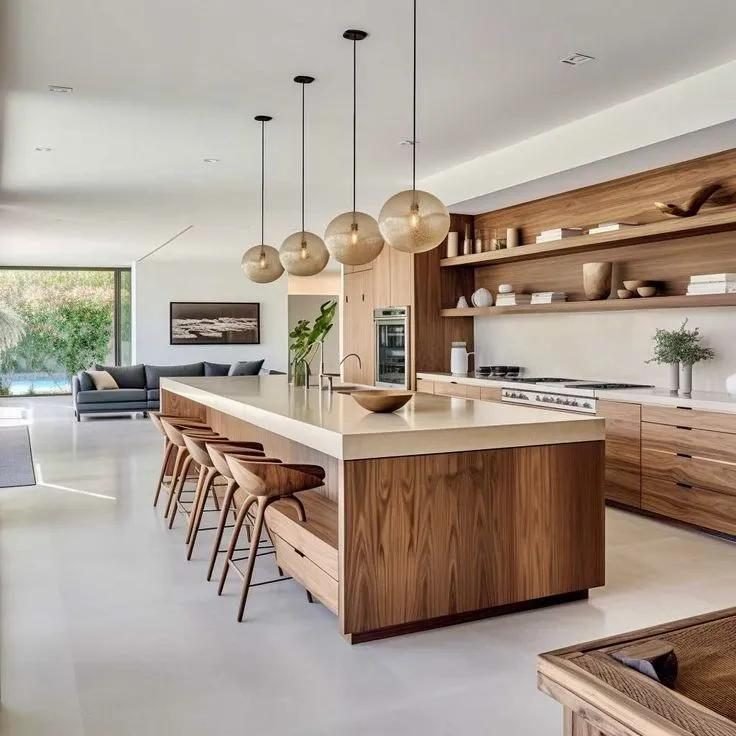
Pendant lights are the crowning glory of the kitchen island or dining area. They offer an opportunity to introduce a new material or shape into the room. Oversized pendants can act as a statement piece, while slim, minimalist drops offer a more subtle, contemporary look.
9. Under-cabinet LEDs
Under-cabinet lighting transforms both the look and the usability of a kitchen. It removes shadows from your worktop while you prepare food and creates a beautiful glow in the evening when the main lights are dimmed. LED strips are easy to install and add a noticeably high-end feel.
Tip: Put the pendants, ceiling lights and under-cabinet strips on separate switches or dimmers, so you can move from bright task light while cooking to a soft glow for dinner.
Splashbacks and surfaces
The materials you choose for your walls and worktops should be durable, but they also contribute to the visual story of the space.
10. Subway tiles
Subway tiles are a design staple for good reason: they are clean, affordable and versatile. While white-on-white is the traditional choice, a dark grout creates a modern, geometric look. You can also experiment with different layouts, such as herringbone or vertical stacks, to put a unique twist on this classic.
11. Quartz surfaces
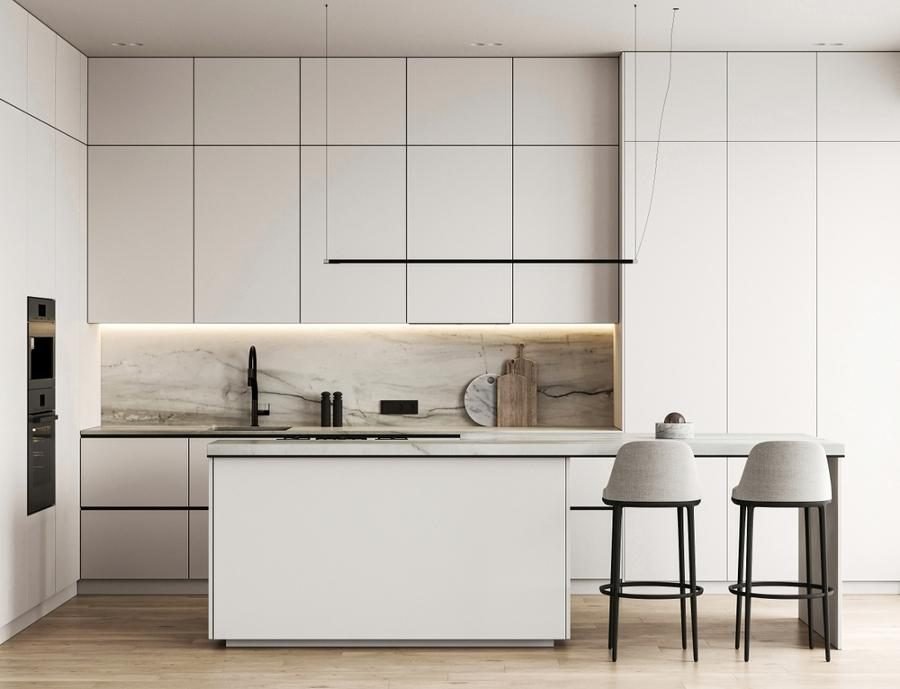
Quartz has become a favourite for kitchen worktops because it offers the look of natural stone with good durability and low maintenance. A worktop with subtle veining adds a sense of luxury and movement, acting as a bridge between the cabinets and the splashback.
The finishing touches: decor and life
No kitchen is complete without the small details that make it feel lived-in and loved.
12. Indoor herbs
Adding greenery is the fastest way to breathe life into a kitchen. A small herb garden on the windowsill is both beautiful and practical, providing fresh flavours for your cooking. If you don’t have green fingers, a simple vase of fresh eucalyptus or a bowl of bright citrus fruit adds a welcome pop of natural colour.
13. Open shelving
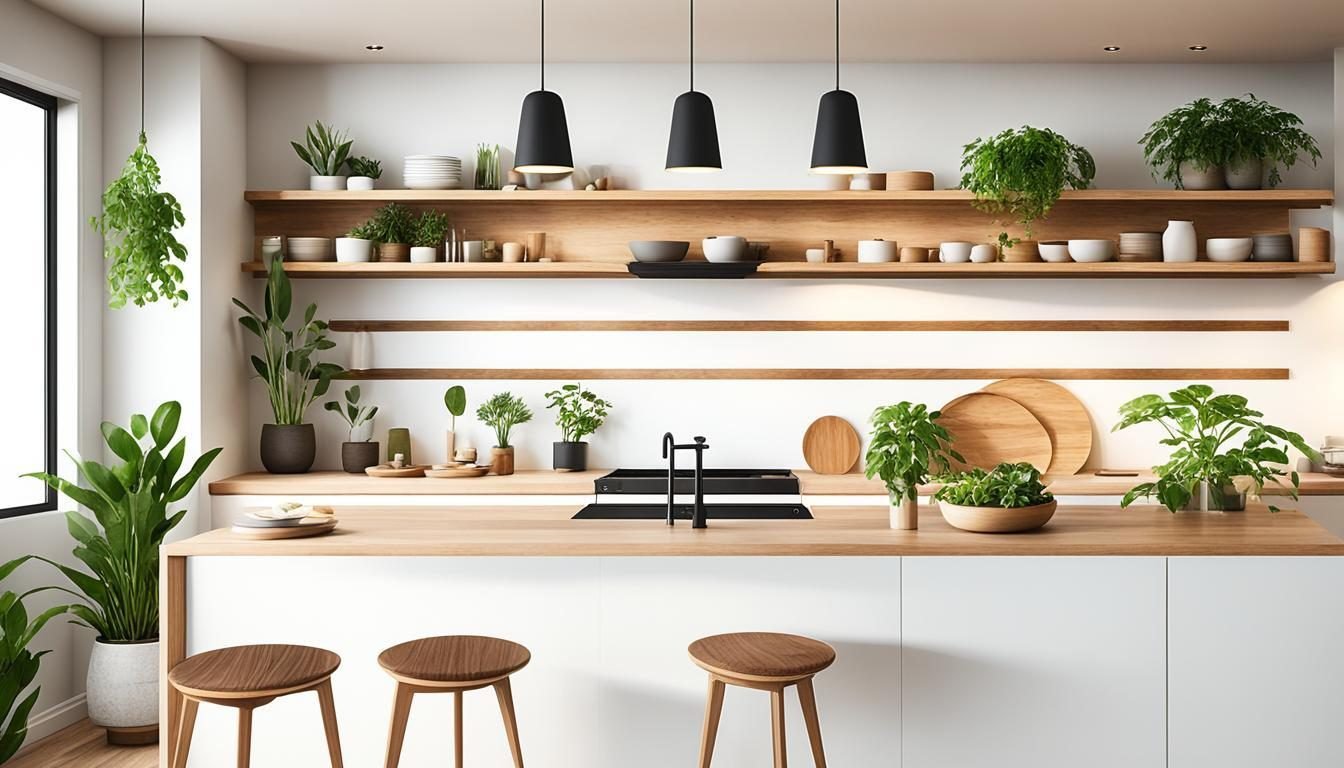
Open shelving turns everyday items into decor. It makes a kitchen feel more open and airy, especially in smaller layouts. The key is curation: keep your colour palette consistent to avoid a cluttered look, and mix functional items such as plates and bowls with decorative pieces such as cookbooks or small framed art.
Conclusion
Decorating a kitchen is a journey of merging the practical with the personal. By choosing a clear style, playing with colour and texture, and paying attention to details such as lighting and hardware, you can create a space that is not only highly functional but also a true reflection of your personality. The best kitchens are those that feel comfortable and welcoming, the kind of place where people naturally want to linger. Whether you are planning a full renovation or a weekend refresh, focus on quality materials and a thoughtful layout so your kitchen remains the heart of your home for years to come.
For more on layering light, read our living room lighting ideas, or see how we approach kitchen decoration and lighting and ceiling design. When you’re ready to plan your own kitchen, book a consultation.


