Budget Home Decor Home Decor Trends
Chimineas: Pros, Cons and Who They Suit Best
Clay or metal, smoke, safety, cooking and cracking: an honest look at the pros and cons of a chiminea, and whether one suits your garden better than a fire pit.
By Admin Published 9 min read

An outdoor fire turns a garden into somewhere to linger after dark. The crackle of logs and the glow of the flames draw people together, and few garden pieces do that as well as a chiminea. With its rounded belly, front opening and tall chimney, it is part heater and part sculpture, and it looks as much at home on a small terrace as in a large garden.
A chiminea is not the right choice for everyone, though. This guide weighs up the pros and cons, from materials and smoke to safety, cooking and care, to help you decide whether one suits your outdoor space.
Origins
The chiminea is closely associated with Mexico, where clay ovens of this shape have been made for generations. Traditionally they served the home, giving warmth and a place to cook, and the chimney helped keep the fire going in wet weather while the thick, rounded body held on to the heat.
Today chimineas are made from metal as well as clay, but the familiar silhouette, a wide fire bowl with a narrow flue rising from the top, still nods to that craft tradition.

Clay chimineas
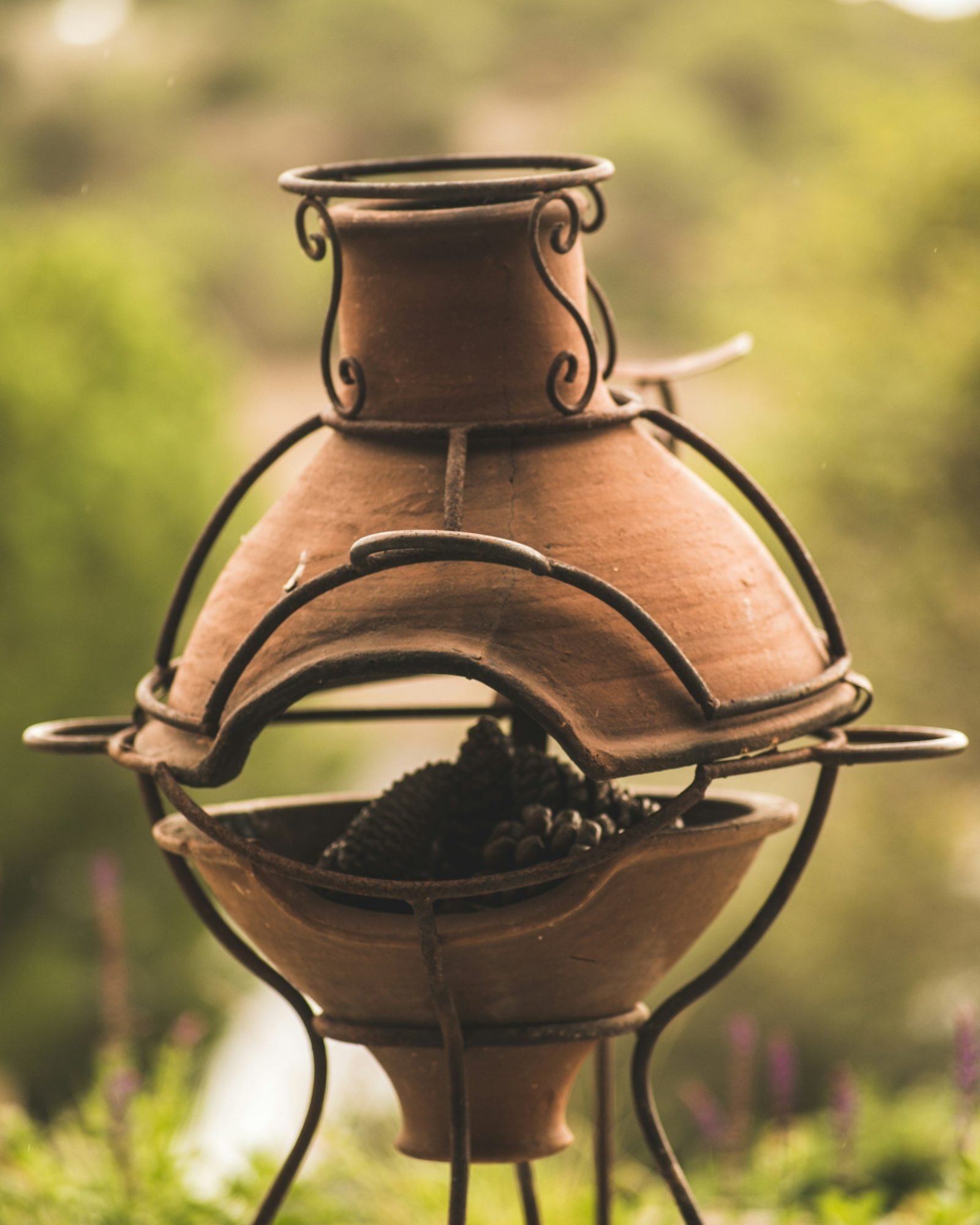
Clay is the traditional material and the favourite of purists. Clay chimineas are often handmade and have a warm, rustic look that metal cannot match. Many are made from clay mixed with grog, crushed fired clay that makes the body more resistant to heat. They give a steady, gentle warmth.
The trade-off is care. A new clay chiminea needs to be broken in with several small fires before it takes a full one, so the clay warms gradually; lighting a big fire in a cold, damp chiminea risks cracking it. Clay also dislikes water and frost, so it needs sealing as the maker recommends, a cover when not in use, and ideally a dry shed or garage over winter.
Metal chimineas
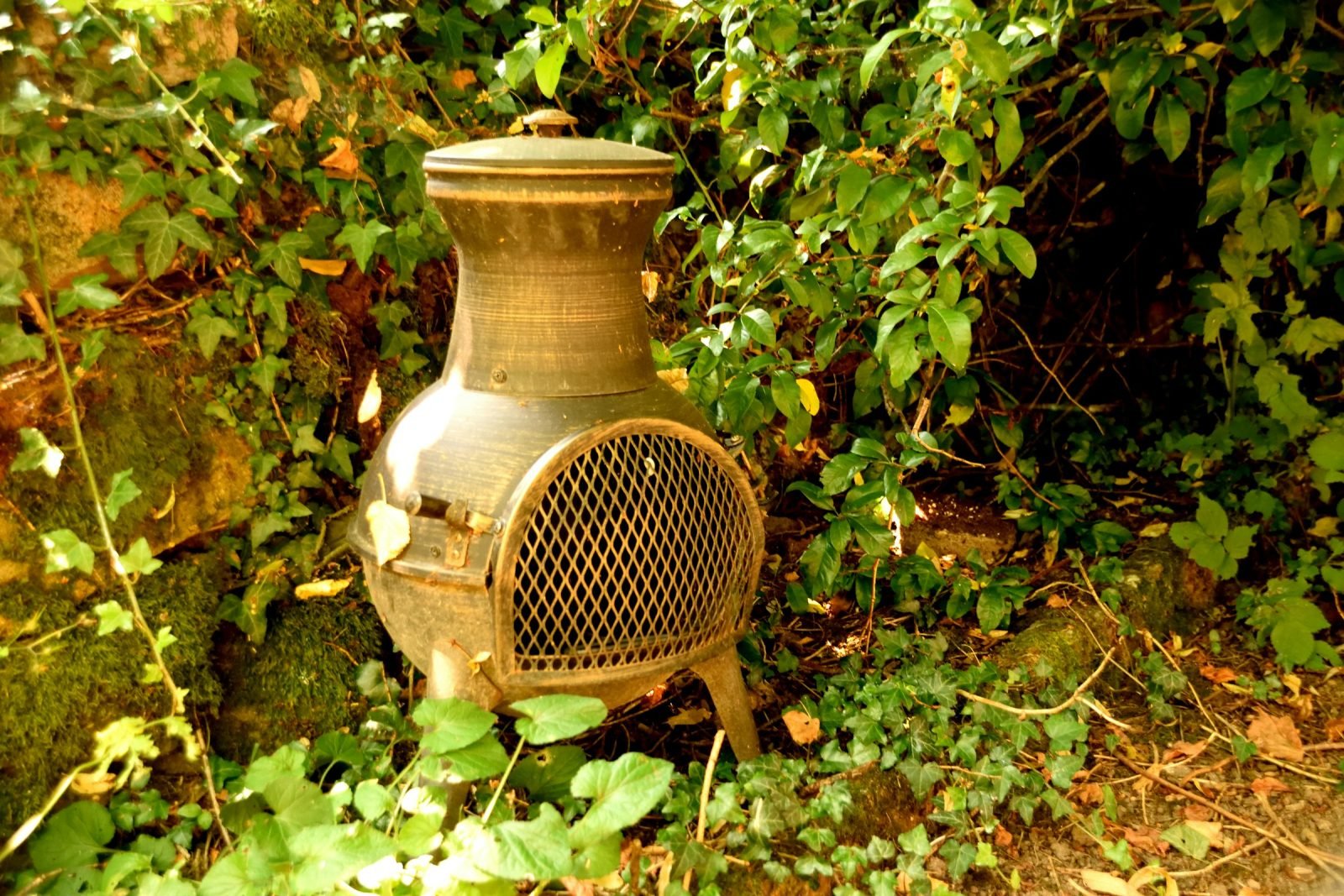
If you want durability and less fuss, look at metal: cast iron, cast aluminium or steel. Cast iron is very heavy and holds heat well, much like a cast-iron pan. It is robust, but it will rust unless it is kept painted with heat-resistant paint, and like any cast iron it can crack if it is knocked hard or doused with cold water while hot.
Steel models are lighter, heat up quickly and are easier to move around the terrace. Heavy-gauge steel has a sleek, modern look that suits contemporary gardens. Many metal chimineas come with a spark guard over the opening and a rain cap or spark arrestor on the chimney, which are worth having in any garden.
The chimney and smoke
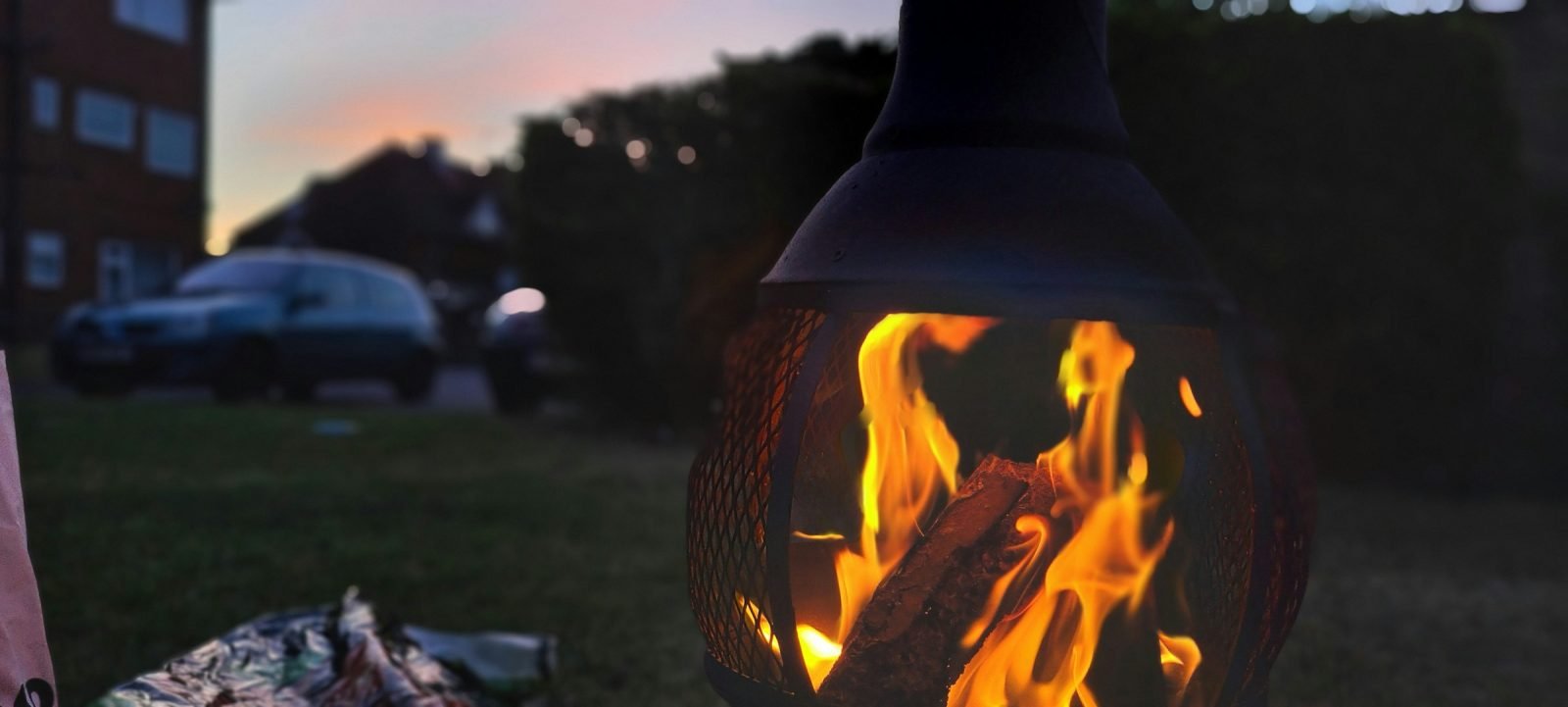
The chimney is what sets a chiminea apart. Hot air rising up the flue draws fresh air in through the front opening, feeding the fire and carrying smoke upwards, away from the people sitting nearby. With an open fire pit, smoke drifts wherever the wind takes it, which often means into someone's eyes.
Once a chiminea is burning well with dry wood, it tends to be less smoky at seating height than an open fire. That does not make it suitable for enclosed spaces: a chiminea must always be used in the open air, well away from walls, fences and overhanging roofs.
Safety
Because the fire sits inside a bowl, there is less risk of logs rolling out or embers spilling onto grass than with an open fire, and the walls shelter the flames from gusts of wind. A spark guard over the opening helps further.
But the body of a chiminea gets very hot, metal ones especially, and it stays hot long after the flames die down, so keep children and pets well away. Always stand it on a level, non-combustible surface such as paving, brick or stone, never on a timber or composite deck, grass or bark. Makers typically ask for around 2–3 metres of clearance from the house, fences, sheds, overhanging branches and parasols. Never use one indoors, in a garage, or under a gazebo, pergola or covered patio.
Durability
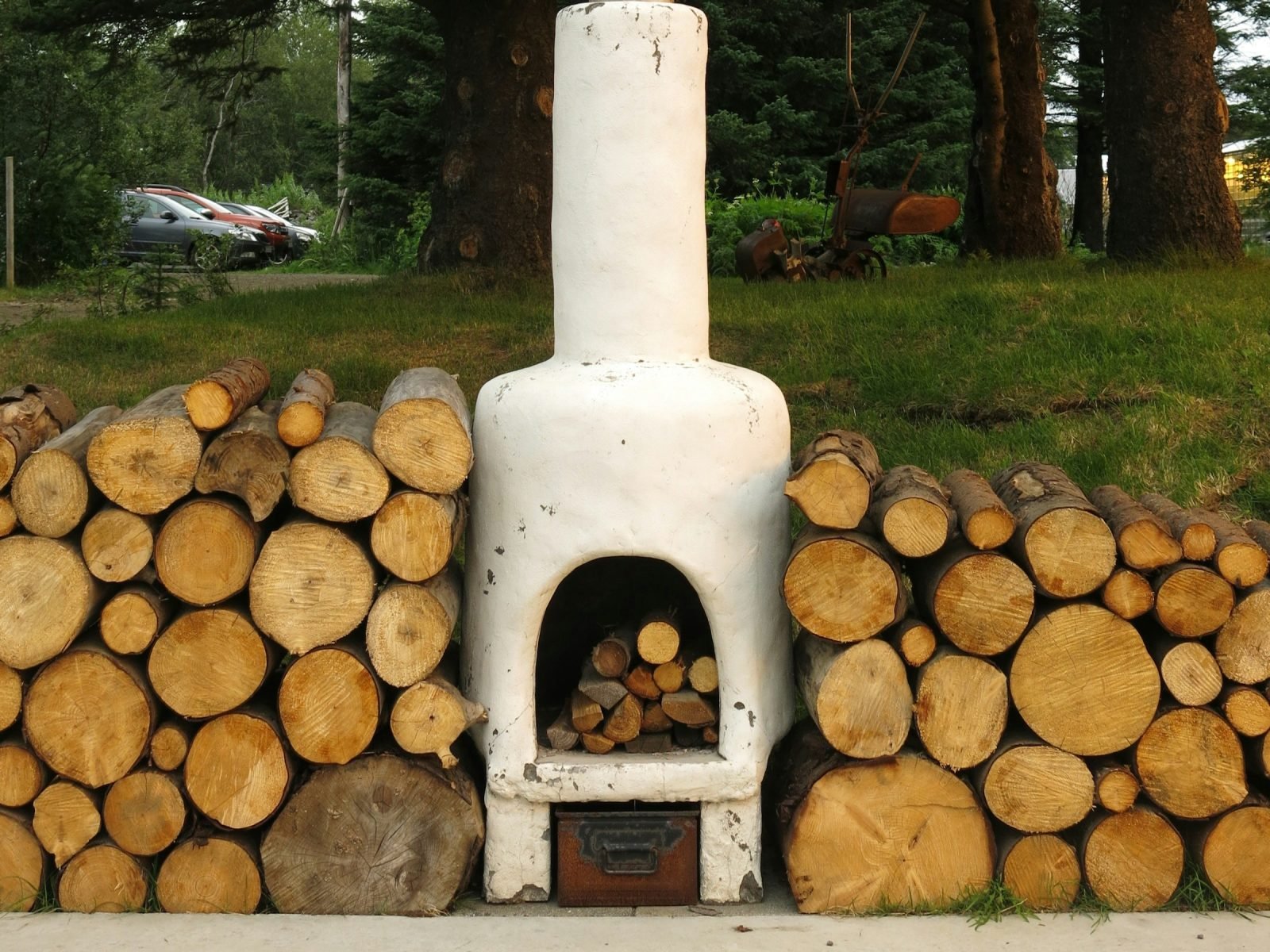
How long a chiminea lasts depends on the material and the care it gets. A well-kept cast iron or steel chiminea can last for many years; if rust spots appear, they can usually be wire-brushed and touched up with heat-resistant paint.
Clay is more fragile. Water soaking into the clay and then freezing can make the surface flake, or spall, and crack the body. Keep a clay chiminea on its stand, off damp ground, seal it as the maker advises and keep it covered. Looked after that way, even a clay chiminea can give many seasons of use.
Ambience
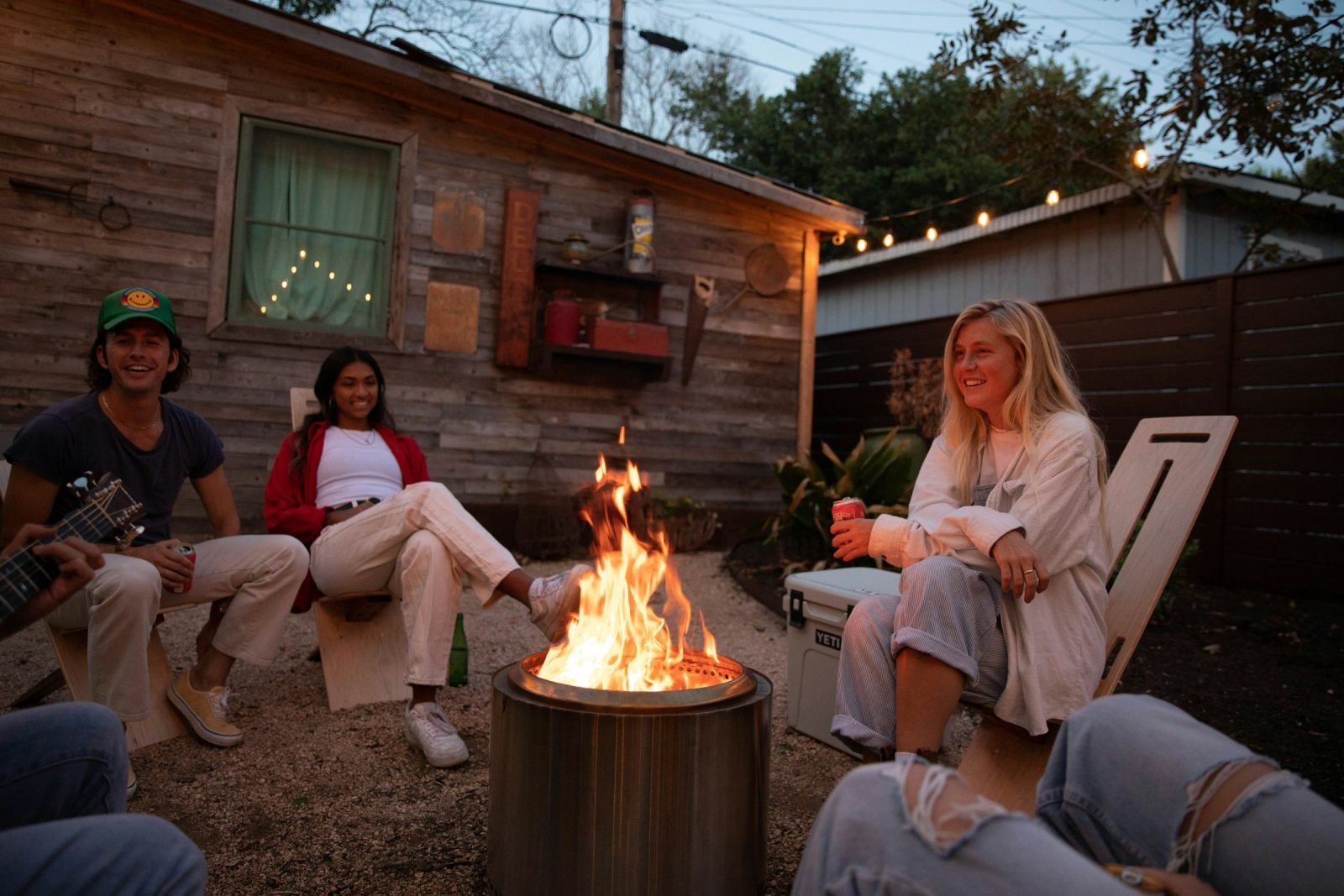
Few garden features create atmosphere like a chiminea. The opening frames the flames like a small window onto the fire, and because the heat comes mainly from the front, people tend to draw their chairs in close.
A chiminea also adds style when it is not lit. A hand-painted clay chiminea brings a relaxed, bohemian feel, while a slim black steel one suits a minimal, modern scheme, so it can work as a sculptural focal point all year.
Cooking
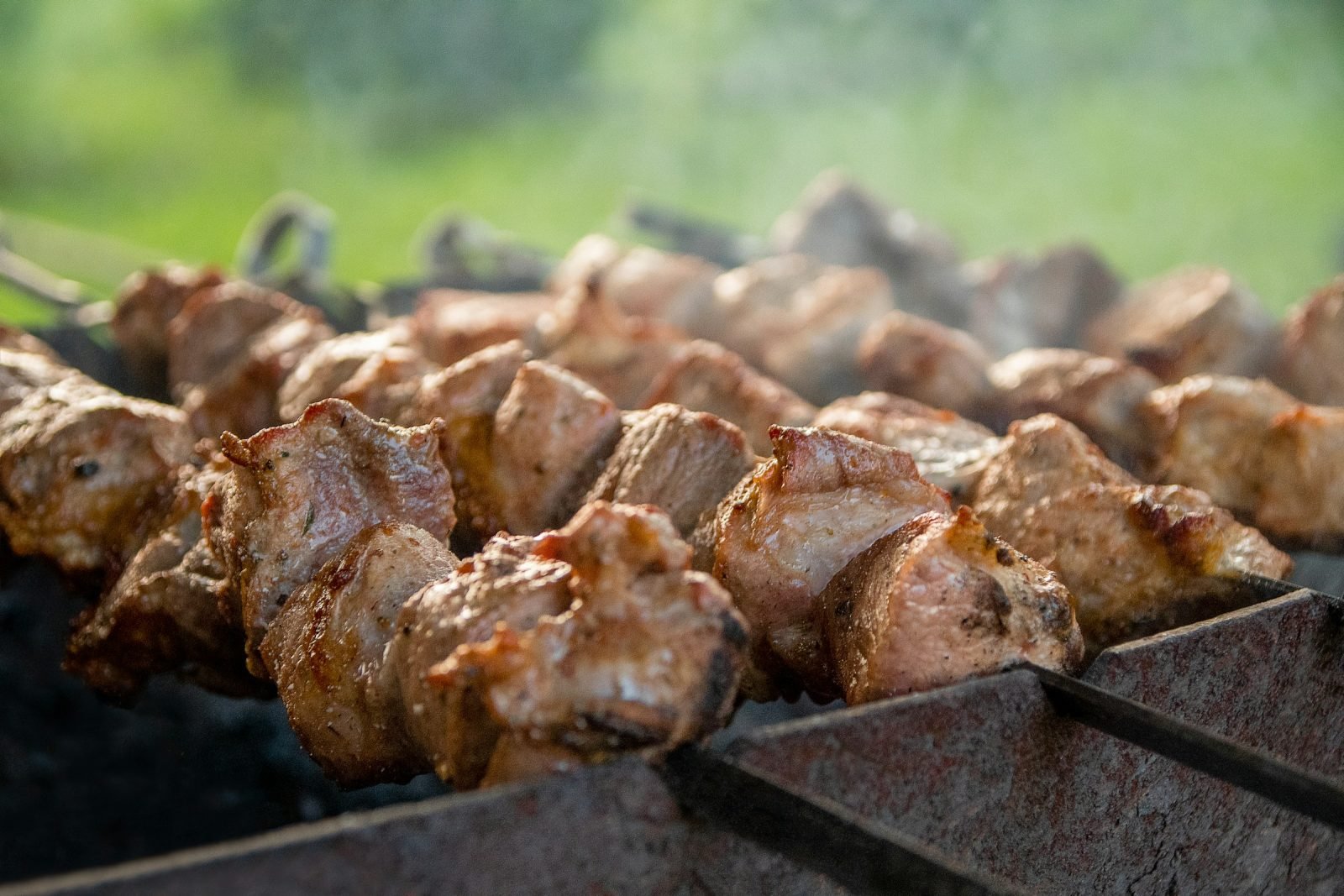
Most chimineas are made for warmth, but some are designed for cooking too, with a grill grate inside or a removable chimney. On those you can grill meat and vegetables or bake small breads over the embers, with a lovely wood-smoked flavour.
Only cook on a model the maker says is suitable, and use a grate made for it. On any chiminea, toasting marshmallows on long skewers at the opening is a simple pleasure.
Cracking
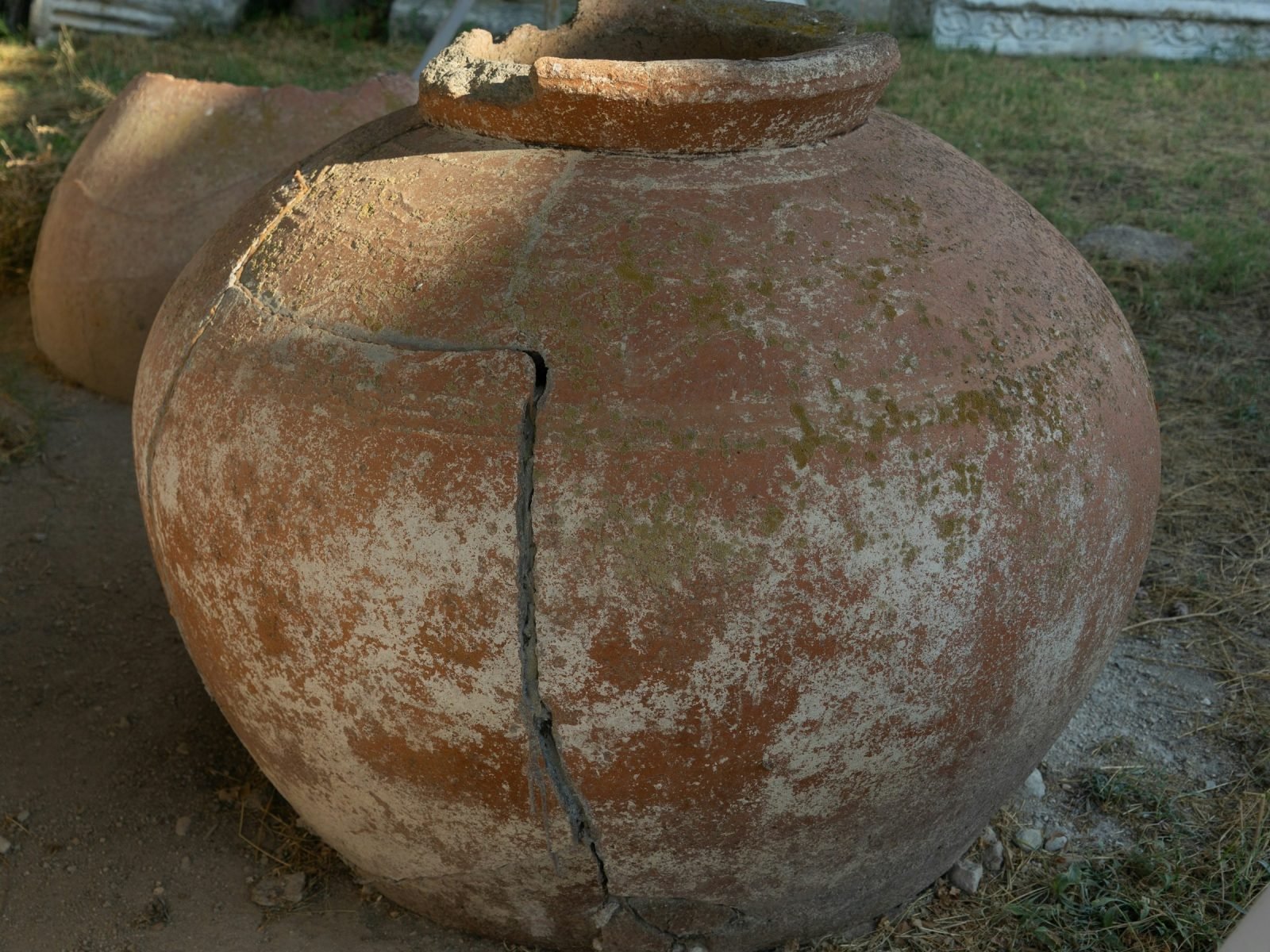
The biggest drawback of a traditional clay chiminea is that it can crack. That usually comes down to heat or water: lighting a large fire too quickly in a cold, damp chiminea makes the clay expand unevenly, and water that has soaked in can freeze.
To avoid it, start each season with a few small fires, keep fires moderate, and put a layer of sand or lava rock in the bottom of the bowl so the hottest embers do not sit directly on the clay. Metal chimineas do not crack in the same way, though cast iron can still crack from a hard knock or sudden cooling.
Maintenance
Whatever it is made of, clear out the ash regularly once it is completely cold. Ash holds moisture against the bottom of the bowl, which encourages rust in metal and weakens clay.
For a clay chiminea:
- Seal it as the maker recommends, often once a year.
- Keep it covered when it is not in use.
- Move it into a shed or garage for the winter if you can.
For a metal chiminea:
- Check it for rust spots.
- Touch up with heat-resistant paint as needed.
- Keep the rain cap on, or use a cover, so the bowl does not fill with water.
Burn only dry, seasoned hardwood such as oak, ash or beech. Never use petrol, lighter fluid or other accelerants, and do not burn treated timber or rubbish.
Placement
A chiminea throws most of its heat out of the front, so where you put it matters. Unlike a fire pit, which people can sit all the way round, a chiminea works best at the edge of a seating area with its opening facing the chairs, and with plenty of clear space on every side.
That directional heat makes it a good choice for a corner of a terrace, where it becomes a focal point at the end of the space. Stand it on a level, non-combustible base, and keep a clay chiminea in its stand so heat from the bowl does not damage the paving beneath.
Chiminea or fire pit?
When choosing between the two, think about how you will use it.
- Chiminea: better for lifting smoke away from seating, directional heat, smaller gardens and a more contained fire. Think of it as an outdoor fireplace.
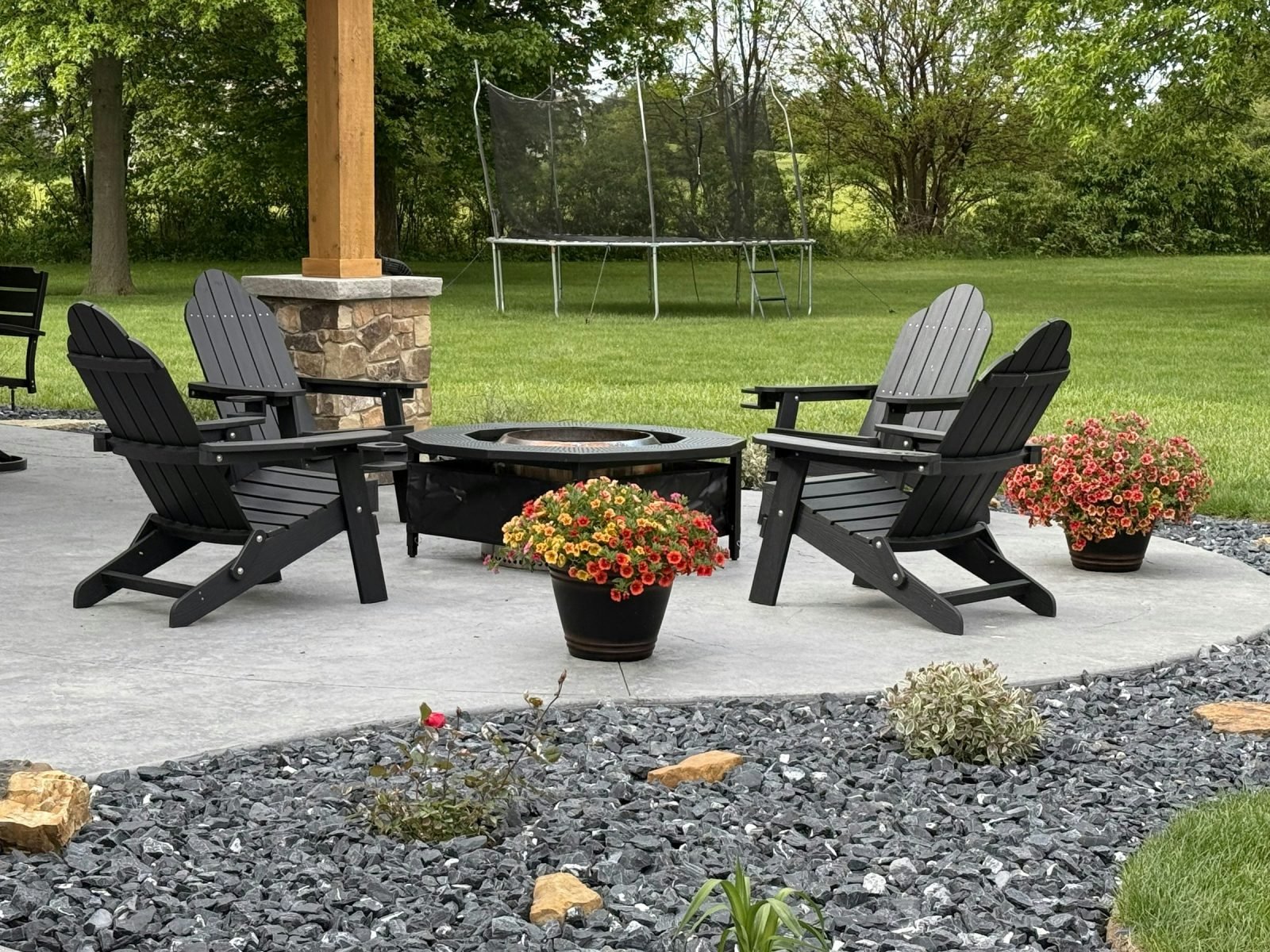
- Fire pit: better for larger groups who want to sit all the way round, bigger fires and a campfire feel. Think of it as a garden bonfire.
A chiminea also tends to burn smaller loads of wood, while a fire pit usually needs more logs to keep it going.
Who a chiminea suits
- Owners of small gardens and terraces: a chiminea's compact footprint and lifted smoke suit a smaller space better than an open fire pit, provided there is still clear space all round it.
- People who want a contained fire: the fire sits behind walls and often a spark guard, though the body still gets hot, so children and pets need to be kept back.
- Anyone who treats the garden as part of the home: a chiminea is a sculptural piece that looks good even when it is not lit.
- People who dislike smoke: if you love a fire but not smelling of smoke afterwards, the chimney makes a real difference.
FAQ
Can I use a chiminea on a wooden deck?
It is best not to. Timber and composite decking can scorch or catch fire from heat and sparks, and many makers say not to use a chiminea on or near a wooden deck. Choose a spot on paving, brick or stone instead.
What is the best wood to burn?
Dry, seasoned hardwoods such as oak, ash and beech burn longer and with less smoke. In a clay chiminea, avoid very resinous wood and charcoal, which burn hot and raise the risk of cracking.
Do I need to cover my chiminea?
Yes. A cover stops a clay chiminea soaking up rain and helps keep a metal one from rusting. Always wait until it is completely cold before covering it.
How do I stop a clay chiminea cracking?
Keep it on its stand, put a layer of sand or lava rock in the bowl, start each season with a few small fires and keep fires moderate. Never use lighter fluid or other accelerants, as a sudden burst of heat can crack the clay.
Can I use a chiminea indoors?
No, never. Burning wood produces carbon monoxide and smoke, so a chiminea is strictly for use in the open air, away from buildings and covered areas.
Final thoughts
A chiminea brings warmth, light and a focal point to a garden, with less smoke at seating height than an open fire. Choose clay for character and metal for toughness, give it a safe spot on paving with plenty of space around it, and it will become the place everyone gathers on cool evenings. For the rest of your outdoor space, see our seasonal grill island care guide and our patio ideas for small gardens. Explore our balcony and terrace decoration service, or book a consultation to plan your outdoor space with a designer.


