How to Buy Decor at Estate Sales: Finding, Inspecting and Restyling Second-Hand Pieces
How to find estate and house clearance sales near you, what decor is worth buying, how to check for woodworm and damp, how haggling works, and how to clean and restyle your finds.
By Admin Published 7 min read

Estate sales are one of the best ways to furnish a home with character. Solid wood furniture, heavy mirrors, picture frames and lamps that would be costly new often turn up at a fraction of the price, and they bring a sense of history that flat-pack pieces cannot. In the UK you will more often see them called house clearance sales, house contents sales or probate sales, but the principle is the same: the contents of a home are sold, usually over a day or two, often after a move or a bereavement.
This guide explains how to find sales, what is worth buying, what to inspect before you pay, how pricing and haggling usually work, and how to get your finds home and looking their best.
How to find estate sales near you
Typing “estate sales near me” into a search engine is a reasonable start, but the best finds usually come from a mix of sources:
- Estate sale and listings websites: dedicated listing sites and general classified sites let you search by area and often show photos of the contents in advance.
- Auction houses: many local auction houses hold regular general or house contents sales. You can usually view lots in person beforehand and bid in the room, by phone or online. Check the buyer’s premium and payment terms before you bid.
- House clearance companies: some run their own sales or warehouses where cleared contents are sold on.
- Community boards: local social media groups, neighbourhood apps, newspaper classifieds and notice boards in libraries or community centres often list smaller private sales.
- Charity shops and furniture reuse projects: not estate sales as such, but they often receive the contents of whole homes.
Sign up for email alerts where you can, and keep a short list of what you are looking for: a mirror for the hallway, a pair of bedside lamps, a sideboard of a certain width. It stops impulse buys and helps you move quickly on the right piece.
Before you go
- Measure your rooms: note the wall space, alcove widths and doorway, stair and lift dimensions. A sideboard that fits the dining room is no use if it won’t turn the corner on the stairs.
- Pack a kit: tape measure, phone torch, a magnet (to test for solid brass versus plated steel), a cloth, and photos of your rooms.
- Plan payment: find out in advance whether the sale accepts cards or only cash, and whether there are deposit or collection deadlines.
- Arrive early for choice, late for bargains: the best pieces go in the first hour; prices are often lower on the final day.
- Be respectful: you may be in someone’s family home. Follow the organiser’s rules, don’t open closed rooms and handle items gently.
What to buy
Solid wood furniture
Older solid wood chests of drawers, sideboards, dining tables and bookcases are often better made than modern equivalents. Look for dovetail joints on drawers, solid backs and drawers that run smoothly. Dark, dated wood can be waxed, painted or simply styled differently. Veneered pieces can also be good quality, but check the veneer is not lifting or chipped, as repairs can be fiddly.
Mirrors
Large, heavy mirrors with carved, gilt or metal frames are one of the best estate sale buys. Old glass may have some silvering loss (dark speckles), which many people like for its vintage look. Check the back: the hanging fixings should be secure, and the backing board should not be crumbling. A large mirror is heavy, so plan proper wall fixings for your wall type when you get it home.

Frames and art
Frames are often worth buying for the frame alone. Ornate gilt or simple wooden frames can be reused for your own prints, photographs or fabric. Check corners are tight, and look for signs of insects or damp on the back.
Lamps and lighting
Ceramic, brass and glass lamp bases are plentiful and full of character. Treat older electrical items with caution, though: cables may be perished, plugs may be outdated, and internal wiring can deteriorate. Plan to have any vintage lamp checked, and rewired if needed, by a qualified electrician before you use it. Budget for a new shade too; old shades are often discoloured or brittle.
Smaller accessories
Ceramic vases, glass bowls, stoneware jugs, brass candlesticks, books and wooden trays are ideal for styling shelves and coffee tables. Buy in groups of a similar colour or material, and they will look like a collection rather than clutter.
What to inspect before you buy
- Woodworm: look for small round exit holes, roughly 1–2 mm across, especially on the backs, undersides and drawer bottoms. Fresh, pale holes or fine powdery dust beneath them can suggest active infestation. If you are unsure, leave it or get specialist advice before bringing it into your home.
- Structure: press down on tables and chairs and give them a gentle rock. Wobbles from loose joints are often fixable; cracked legs or split tops are more work.
- Damp and mould: sniff drawers and cupboards. A strong musty smell, white or black spots, or warped, swollen panels suggest the piece has been stored somewhere damp. Musty smells can be stubborn to remove.
- Upholstery: check for stains, odours, sagging springs and worn webbing. Look in seams for signs of pests. Remember that reupholstery is skilled work and adds significantly to the overall cost. Upholstered furniture should also meet current fire safety requirements; check labels, and ask an upholsterer if you are unsure.
- Drawers and doors: open everything. Drawers should run, doors should close, and handles should be secure.
- Glass and mirrors: look for cracks, chips at the edges and loose glass in the frame.
- Electricals: look for frayed or cloth-covered cable, cracked plugs and scorch marks. Regardless of how they look, have them checked before use.
How pricing and haggling usually work
Every sale is different, but a few patterns are common:
- Marked prices: at organised sales, items are usually priced with tags or stickers. There may be some room for negotiation, especially on larger pieces or if you buy several items.
- Reductions over time: many sales reduce prices on the last day or in the last few hours. If you can live without a piece, it may still be there later for less.
- Bundle offers: asking for one price for several items is often more successful than haggling over each one.
- Auctions: prices are set by bidding. Decide your maximum before the lot comes up, including any buyer’s premium and fees, and stick to it.
- Be polite: make a reasonable offer, point out genuine faults rather than criticising the piece, and accept a “no” graciously. Remember that family members may be present.
Tip: Before you make an offer, ask yourself where the piece will go and what it will need: transport, cleaning, a new shade, rewiring or repair. If you can’t answer, walk away.
Getting it home
- Check collection times; many sales expect large items to be collected the same day or the next.
- Bring blankets, straps and a helper for anything heavy. Remove drawers and doors before carrying where possible.
- Carry mirrors and framed glass upright, never flat, and protect corners with cardboard.
- For large pieces, a local man-and-van service or the sale’s own delivery option is often easier and safer than squeezing it into a car.
Cleaning and restyling your finds
Cleaning
- Vacuum wooden pieces inside and out, then wipe with a barely damp cloth and mild soap; dry straight away.
- Air musty drawers in a dry, ventilated spot, and place an open dish of bicarbonate of soda inside to absorb odours.
- Revive tired wood with a good-quality furniture wax. Test any product on a hidden area first.
- Clean mirror glass with a soft cloth and glass cleaner sprayed onto the cloth, not the glass, so liquid does not seep behind the silvering.
- For valuable or antique pieces, ask a professional restorer before you strip, sand or paint them.
Restyling
- Paint: chalky or furniture paint can modernise a dark chest of drawers. Sand lightly, prime if the manufacturer recommends it, and seal.
- Change the hardware: new knobs or pulls are one of the quickest updates. Measure the hole spacing before buying.
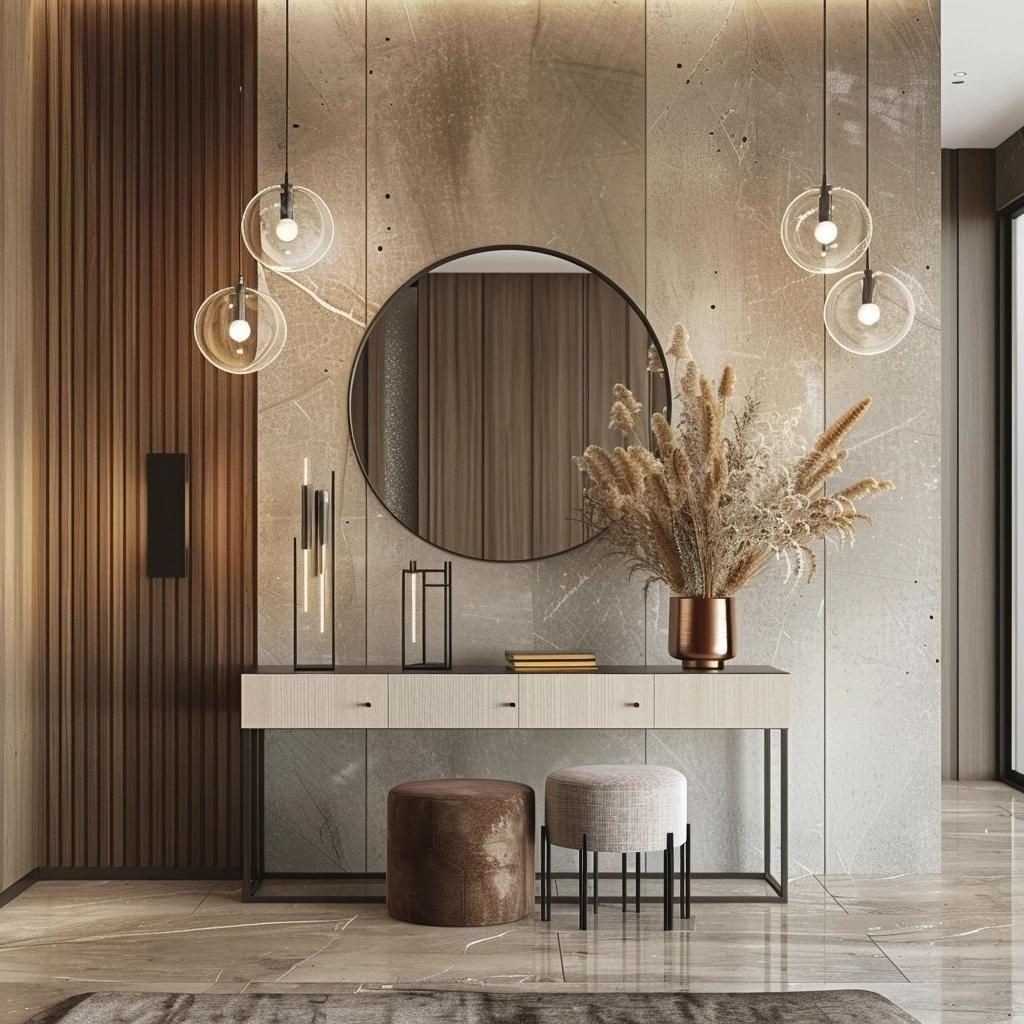
- Mix old and new: pair a carved antique mirror with a sleek modern console, or put a vintage lamp on a contemporary side table. The contrast makes both pieces look intentional.
- Group accessories: arrange vases and objects in odd numbers and varying heights, and repeat one colour or material across a room.
For more ways to transform your home without a full refit, read our guides to affordable ways to refresh your home and budget living room makeover ideas, or explore our home accessories styling service. If you would like help working your finds into a finished scheme, book a consultation.


