Living Room Decor Budget Home Decor
Transformative Budget Living Room Makeover Ideas
Ten budget living room makeover ideas, from paint, layout and layered lighting to textiles, wall art, plants, hardware, upcycling, decluttering and scent.
By Admin Published 7 min read

The living room is the heart of the home: a place to relax, a hub for social gatherings and a reflection of personal style. However, the idea that a stunning interior needs a large financial investment often stops homeowners from creating the space they want. In reality, some of the most effective design changes come from creativity, intention and small, well-chosen updates rather than full renovations. By focusing on high-impact, low-cost changes, you can breathe new life into your living area without straining your finances.
1. Paint
Never underestimate the power of a fresh coat of paint. It is arguably the most cost-effective tool a decorator has. A new colour can completely shift the mood of a room, making it feel larger, cosier or more sophisticated. On a tight budget, you do not even need to paint the whole room.
An accent wall, where you paint one focal wall in a bold, saturated shade, creates an immediate visual anchor. Alternatively, a half-painted wall or colour drenching can add architectural interest where there is none. If your walls are in good shape, consider painting your furniture instead. A dated wooden coffee table or a worn bookcase can be revived with chalk paint or a sleek satin finish, giving it a designer look for the price of a small tin of paint. Our living room colour scheme guide can help you choose a shade.
2. Layout
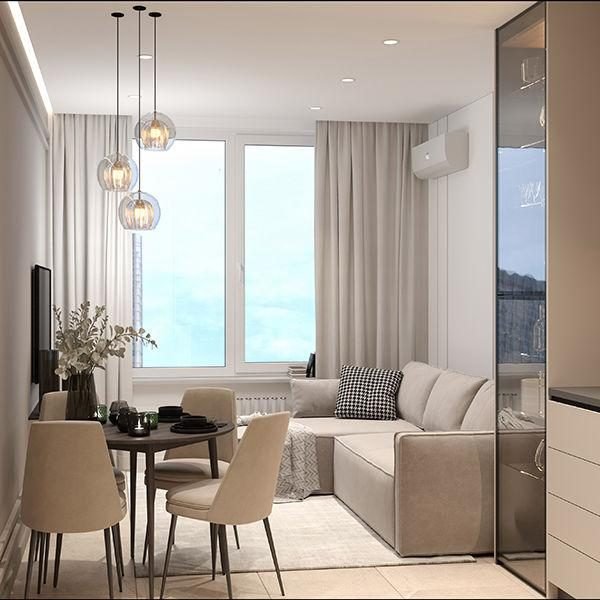
Sometimes the best makeover costs nothing at all. Rearranging your furniture can give you a completely new view of your space. Many people default to pushing everything against the walls, which can make a room feel static and disconnected.
Try floating your sofa by pulling it a short distance away from the wall, even 10 to 15 cm (4 to 6 inches), to create a sense of depth. Focus on creating zones: a reading nook with a single chair and a lamp, or a conversation area where the seating faces each other rather than just the television. By shopping your own home, moving a chair from the bedroom or a side table from the hallway, you can refresh the living room’s flow and function straight away.
3. Lighting
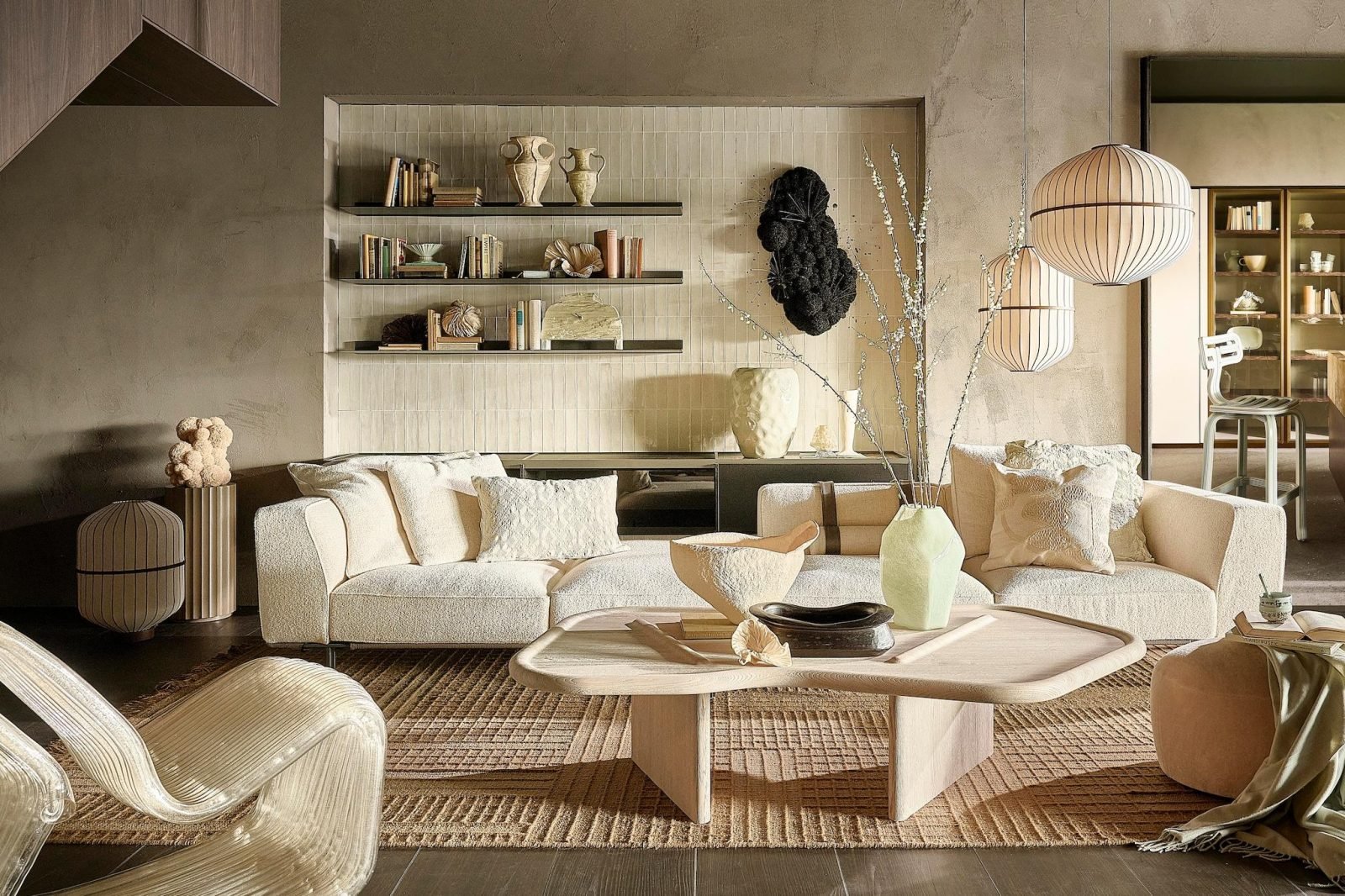
Lighting is the jewellery of interior design. Many homes rely on harsh overhead lighting that flattens a room’s features. To achieve a high-end look on a budget, use layered lighting, which combines three types of light: ambient (general light), task (reading lamps) and accent (highlighting art or plants).
Swap dated glass shades for modern alternatives, or replace a basic flush-mounted fitting with a simple drum shade. Another affordable trick is battery-operated LED puck lights. These can be fitted inside wall lights that are not hardwired, letting you add elegant wall lighting anywhere without the cost of an electrician. Switching to warm white bulbs (around 2700K) makes a space feel more inviting straight away.
4. Textiles
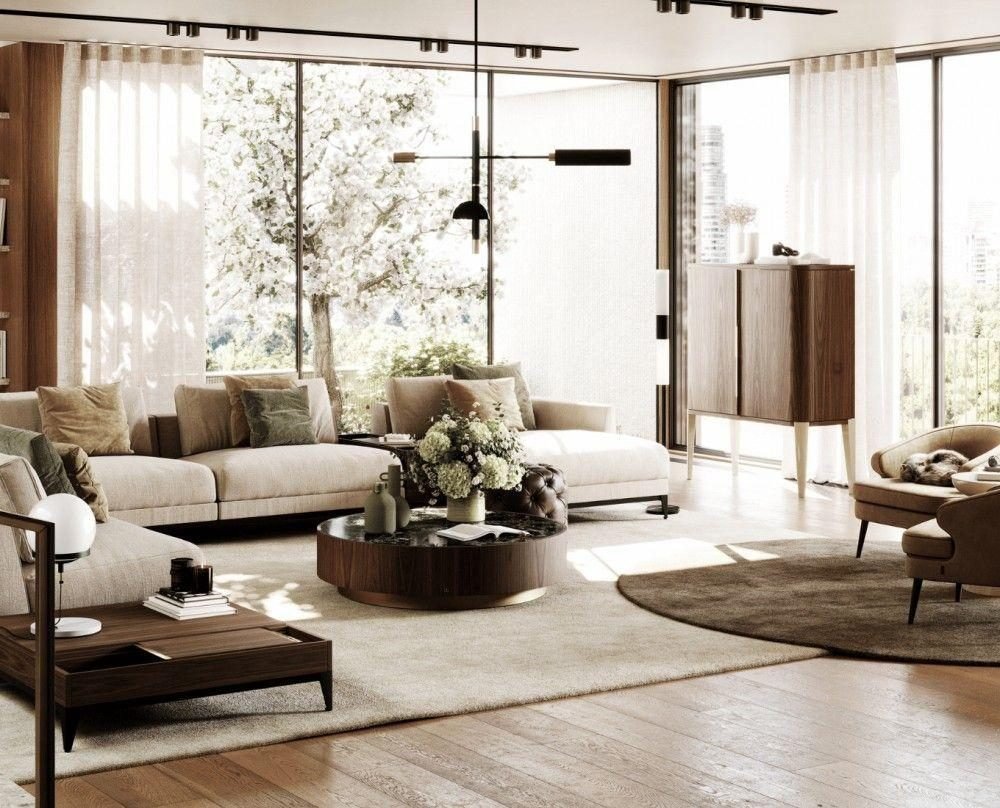
If your furniture is neutral and perhaps a little plain, textiles are your best friend. The feel of a room, the softness of a rug and the weight of a throw, has a big effect on how polished it looks. Start by replacing old, flattened cushions. Instead of buying new cushions outright, invest in good-quality inserts (feather or a feather alternative) and simply change the covers. This is cheaper and easier to store.
Layering is another professional secret. If you have a small, beautiful rug that is too small for the space, layer it over a larger, inexpensive jute or sisal rug. This adds texture and covers more floor at a fraction of the cost of a large wool rug. Finally, consider your windows. Replacing heavy, dated curtains with sheer white linen panels can make the room feel taller and more open. See our living room rugs and curtains guide for sizing advice.
5. Wall art
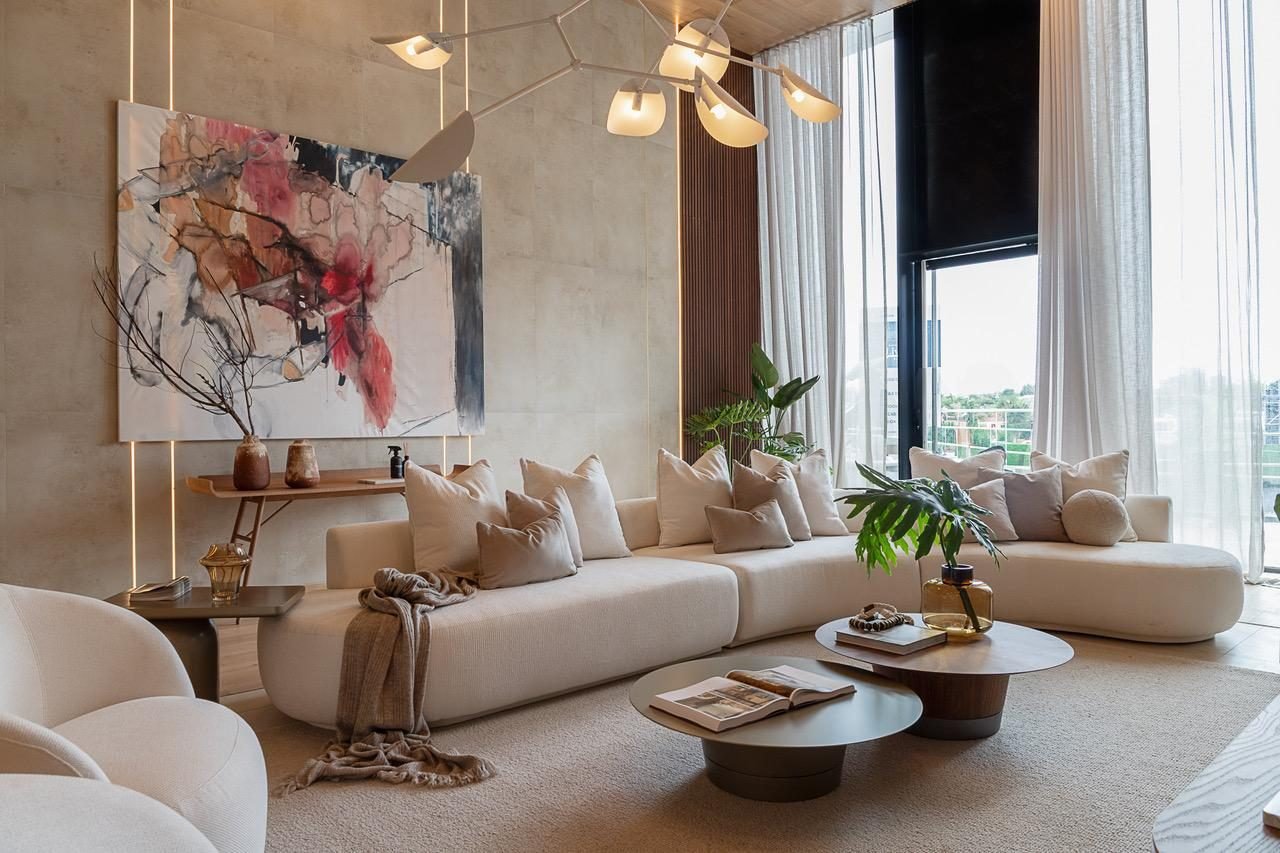
Blank walls can make a room feel unfinished, but original art can be expensive. The answer lies in curated gallery walls and DIY projects. You can find attractive, high-resolution vintage prints in public domain archives online and have them printed locally at a small cost.
To keep things cohesive, use frames in the same colour but different sizes. If you prefer a more minimal look, one large statement piece is better than several small ones. You can create large-scale art by framing a beautiful piece of fabric, a map or even an architectural drawing. Mirrors are also a budget-friendly alternative to art: they reflect light and make a room feel larger.
6. Greenery
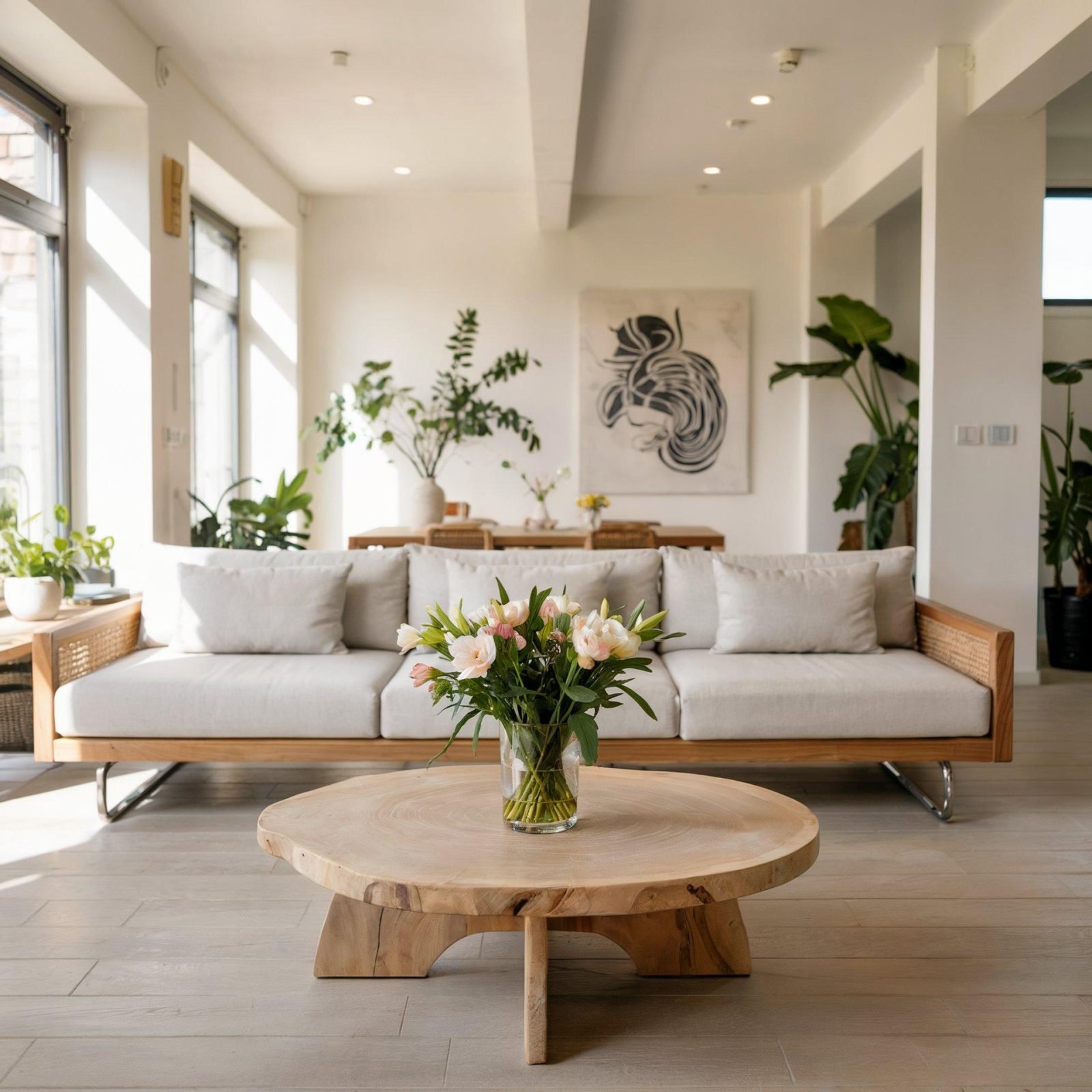
Plants are one of the best styling tools there is. They add life, colour and organic shapes to the straight lines of furniture and walls. Even if you do not have green fingers, low-maintenance varieties such as pothos, snake plants and ZZ plants are very forgiving and tolerate a range of light conditions.
If buying mature plants is too expensive, try propagation. Ask friends for cuttings and root them in jars of water. For a professional look, vary the heights of your greenery. Place a tall plant in a corner to draw the eye upwards, and put smaller succulents or trailing plants on shelves to add layers of visual interest.
7. Hardware
The smallest details often make the biggest difference. Basic hardware, such as the knobs on your media unit, the switch plates on the wall and the pole holding your curtains, is often overlooked. Replacing plastic or plain metal hardware with matt black, brushed brass or glass alternatives can lift the look of the whole room.
This is a micro-makeover that takes minutes but gives a sense of bespoke craftsmanship. If new hardware is still too pricey, a can of metallic spray paint can work wonders on your existing knobs and poles, giving them a unified, high-end finish for very little.
8. Upcycling
Charity shops, car boot sales and online marketplaces are goldmines for a budget living room makeover. The key is to look for good bones. A solid wood table with an ugly finish can be sanded and stained. A sturdy chair with tired upholstery can be refreshed with a stylish loose cover.
Upcycling is not just about saving money; it is about creating a unique home that does not look like a page from a chain-store catalogue. Look for vintage brass trays to corral items on your coffee table, or old wooden crates that can be stacked to make a rustic bookcase. These pieces add a soul that brand-new items often lack.
9. Organisation
Clutter is the enemy of good design. A room can have the most expensive furniture in the world, but if it is covered in post, toys and remote controls, it will never look made over. Budget-friendly organisation is about finding stylish ways to hide the necessities.
Use woven baskets to store spare blankets or children’s toys. Use a decorative bowl on a console or coffee table to hold keys and remotes. One of the most effective ways to make a room look professionally designed is to embrace negative space. You do not need to fill every shelf and every corner. By removing a handful of your current accessories, you let the pieces you truly love stand out. Our storage ideas for small homes has more practical solutions.
Tip: Clear one shelf or surface completely, then add back only your favourite pieces. Many people find they need far fewer accessories than they thought.
10. Fragrance
Although it is not a visual change, the scent of a room affects how a makeover feels. Design is a multi-sensory experience, and a room that smells of fresh linen, citrus or sandalwood feels cleaner and more carefully put together.
Skip harsh aerosol sprays. Instead, choose a stylish reed diffuser, a good-quality soy candle or an essential oil diffuser. These serve a dual purpose: they give a pleasant scent and act as small decorative accents on side tables or mantelpieces.
Conclusion
A living room makeover is not defined by the size of the budget but by the creativity you bring to the space. By focusing on paint, lighting and textiles, and adding second-hand treasures and greenery, you can create a high-end look that is both personal and sustainable. The best homes evolve over time, so start with one or two of these ideas and watch your living room become a calm, welcoming space that reflects your style and the way you live.
For more low-cost inspiration, read affordable ways to refresh your home, living room lighting ideas and our living room furniture arrangement guide. Our living room decoration service can help you plan a makeover that works for your budget, or you can book a consultation.


