Living Room Decor Lighting Ideas
Illuminating the Heart of the Home: Masterful Living Room Lighting Strategies
Twelve living room lighting ideas, from layering and statement chandeliers to recessed lights, lamps, cove lighting, picture lights, smart controls and daylight.
By Admin Published 7 min read

Designers often call lighting the jewellery of a room. In a living room, used for relaxing, entertaining, gathering and sometimes working, the lighting has to be both versatile and beautiful. Good lighting does more than brighten a dark corner: it sets the atmosphere, picks out architectural features and shapes the mood of everyone in the room.
Getting the balance right means moving beyond a single ceiling light to layer different sources for depth. This guide covers twelve living room lighting ideas, from statement pieces to subtle accent glows.
1. Layered lighting
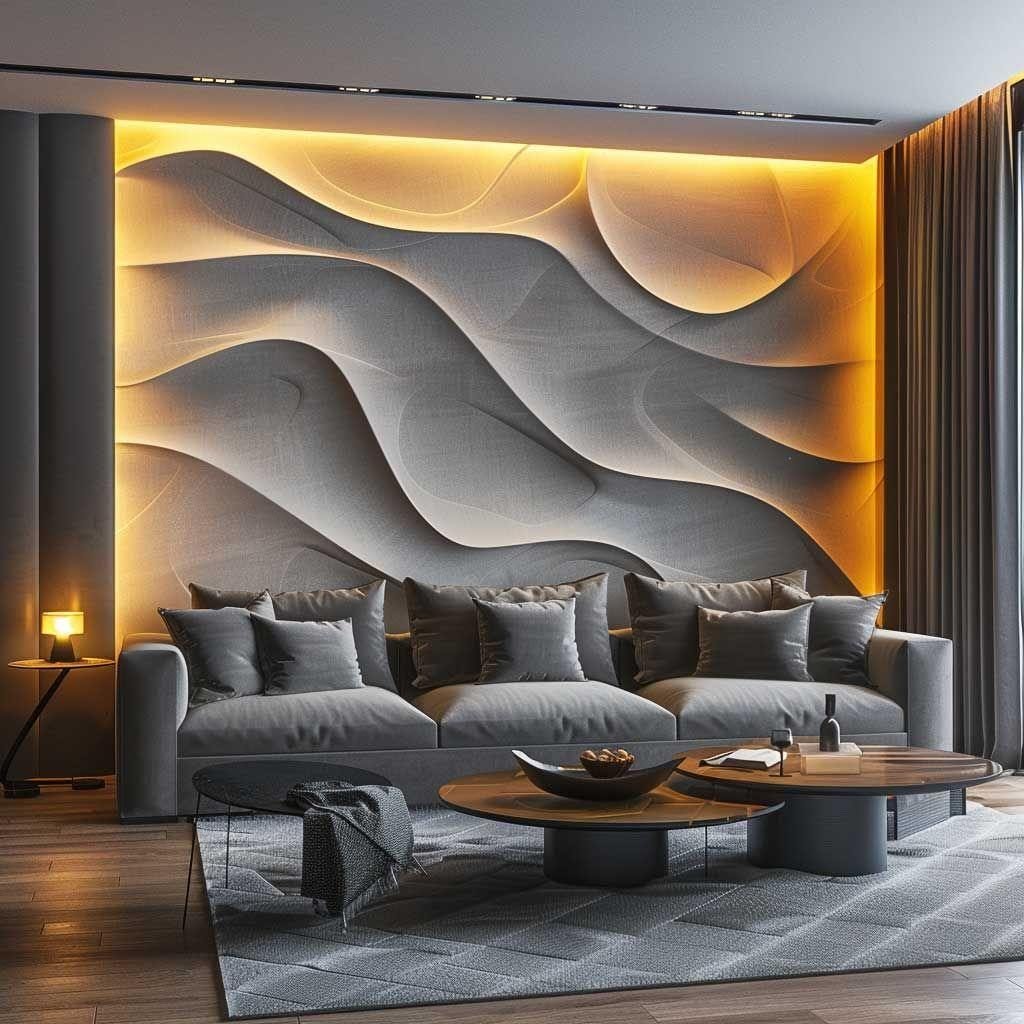
The foundation of any good scheme is layering. Designers group lighting into three types: ambient, task and accent. Ambient light gives overall illumination, usually from ceiling fittings or downlights, and sets a baseline so you can move around safely.
Task light is focused on activities such as reading on the sofa, knitting or playing board games, and usually comes from adjustable floor lamps or well-placed table lamps. Accent light adds drama and character, drawing attention to artwork, a fireplace or a collection of books. Combine all three and you avoid harsh shadows and can adjust the room to the time of day or the activity. Our room-by-room layered lighting guide applies the same idea across the home.
2. Statement chandeliers
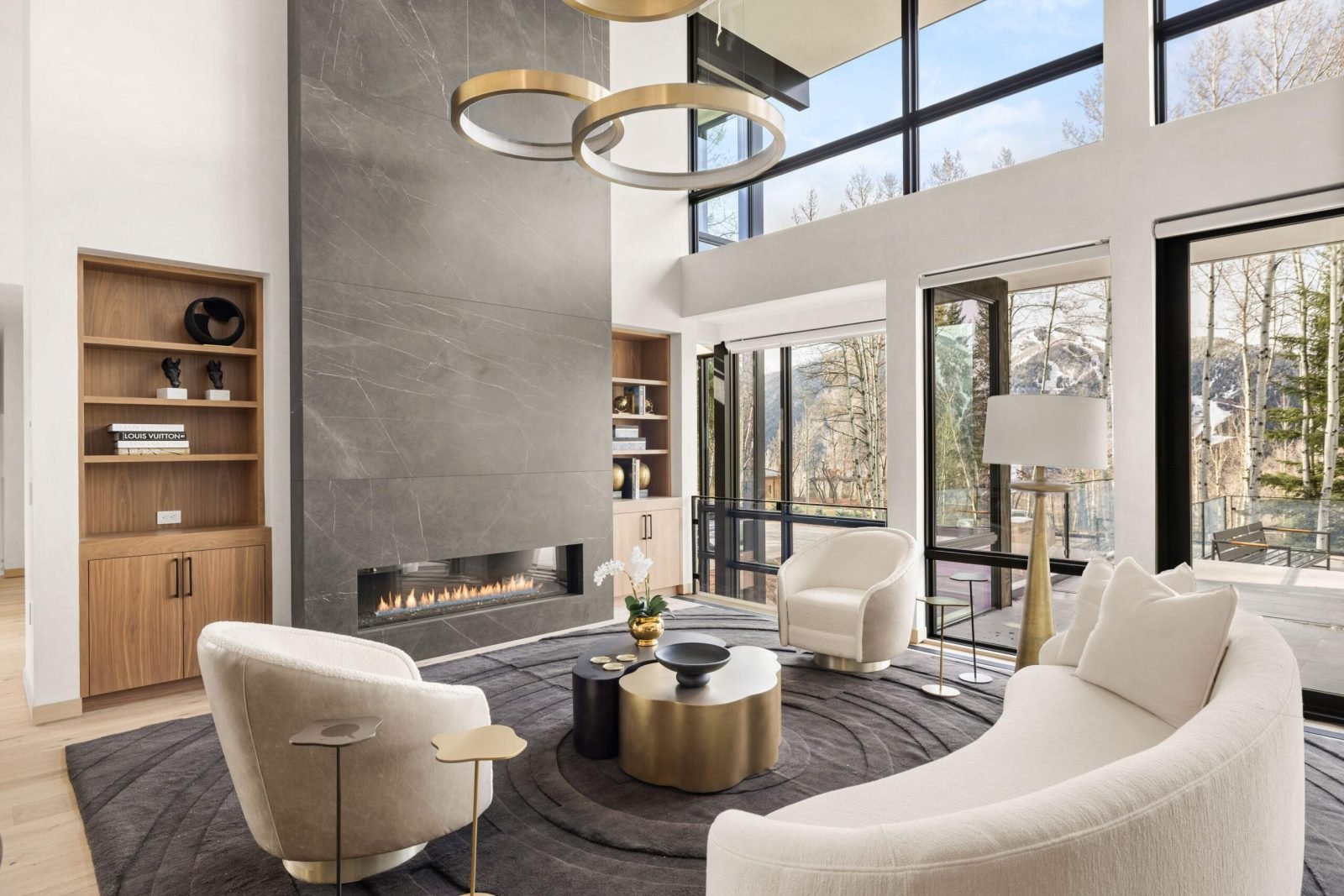
A chandelier is the ultimate living room focal point. Once mostly reserved for formal dining rooms, it now appears in living spaces as a bold statement. Scale matters most: too small and it looks lost, too large and it overwhelms the furniture.
Material sets the tone. Crystal gives a classic, glamorous sparkle; sputnik and geometric metal designs suit mid-century or industrial schemes; wood beads, woven rattan or tiered linen feel softer and more organic. Centre the chandelier over the seating area to anchor the room.
3. Sculptural pendants
Pendants are a versatile alternative to a chandelier and are often used to define zones. In an open-plan space, a run of pendants can separate the lounge from the dining area or kitchen. Sculptural pendants work like hanging art, drawing the eye up and emphasising ceiling height.
A single oversized pendant can make a big impact without the complexity of a multi-arm chandelier. Alternatively, cluster smaller pendants at different heights for a dynamic, playful installation. Look for interesting textures such as hammered copper, frosted glass or concrete.
4. Recessed downlights
Recessed downlights give a clean, streamlined look that suits modern and minimal interiors. Because they sit flush with the ceiling, they do not clutter the view and help the room feel larger and taller.
Layout is everything. Avoid a rigid grid that peppers the whole ceiling. Instead, place lights nearer the walls to wash vertical surfaces, which makes the room feel bigger, and use adjustable downlights to aim at focal points such as a fireplace or artwork. Always put them on a dimmer so the room never feels like an office.
5. Floor lamps
Floor lamps bring light down to a human scale. Ceiling light can feel distant; a floor lamp puts the glow close to the seating for a cosy, intimate feel. The arc lamp is a perennial favourite because its long curved arm reaches over a sofa or coffee table without needing a ceiling point.
For a more traditional look, tripod floor lamps with large drum shades are stable and classic. Floor lamps are also practical because they move with your furniture when you rearrange. Some include shelves or USB ports for extra convenience.
6. Wall lights
Wall lights add architectural interest and save floor space. In a small living room, swapping a bulky floor lamp for a wall light is a smart move. Swing-arm wall lights are especially useful because you can direct the light exactly where you need it, perfect for a reading corner.
Wall lights can also frame a central feature. A pair either side of a fireplace, mirror or artwork creates symmetry. Up-and-down wall lights, which throw light towards both ceiling and floor, show off the texture of brick, stone or wallpaper.
7. Table lamps
Table lamps are the workhorses of living room lighting, giving the warm, eye-level glow that makes a room feel lived-in. Treat them as accessories that reinforce your palette: a colourful ceramic base adds a pop of colour to a neutral room, while a glass base almost disappears.
The shade matters as much as the base. A white or cream shade spreads light around the room; a dark shade directs light up and down for a moodier effect. When you are seated, the bottom of the shade should sit at roughly eye level so you do not see the bare bulb.
8. Cove lighting
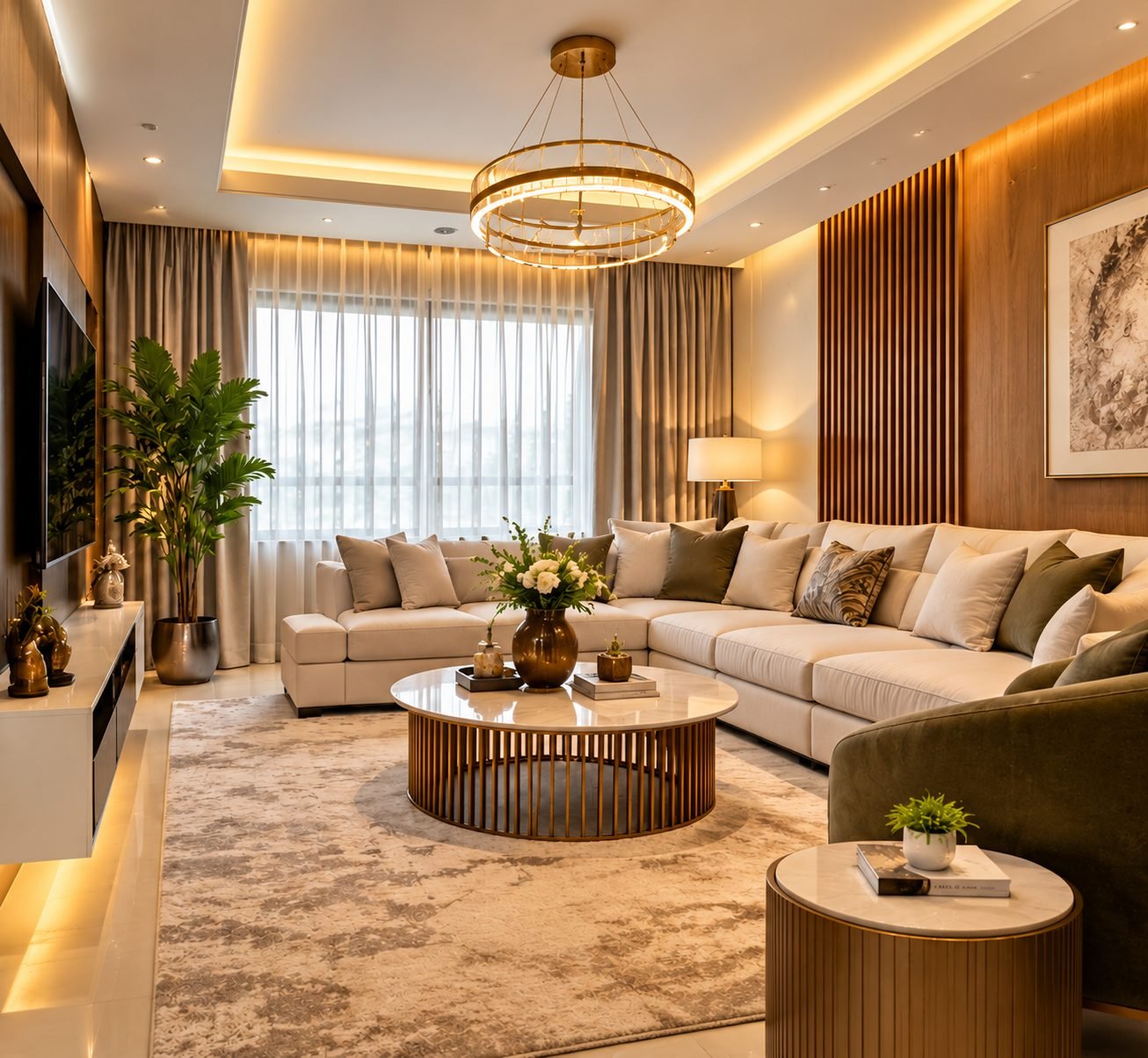
Cove lighting hides the light source in a ledge, recess or pelmet so it glows softly off the ceiling or upper walls. It is one of the most effective ways to make a room feel taller and more luxurious.
Good-quality LED strip has made cove lighting more accessible and flexible. Tunable strips can shift from cool white for cleaning or working to warm amber for relaxing. Coves work especially well in recessed tray ceilings or above a cornice, giving a gentle wash of light that reduces the need for a harsh central fitting.
9. Picture lights
If you have an art collection or gallery wall, picture lights are worth considering. They sit just above or below a frame and cast a focused beam onto the work, making it visible at night and giving the room a gallery-like feel.
Most modern picture lights use LEDs, which give off very little UV and far less heat than halogen or incandescent bulbs, so they are kinder to paintings and works on paper. In a renovation, hard-wired picture lights look cleanest; for an existing room, good cordless battery-powered versions avoid visible cables.
10. Smart lighting
Smart systems let you control every fitting from one app or by voice. You can create scenes, such as a film-night setting that dims the ceiling lights, switches off the wall lights and turns on a soft glow behind the television.
Smart lighting can also save energy: sensors switch lights off in empty rooms, and schedules can make the house look occupied while you are away. Tunable bulbs can shift colour temperature through the day, cooler and brighter in the morning and warmer and dimmer in the evening, which many people find helps them wind down.
11. Natural light
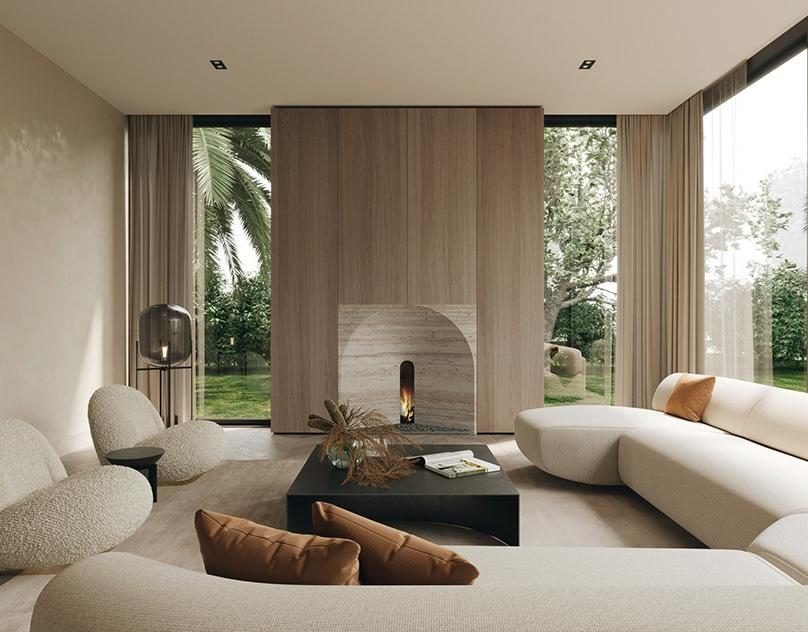
No lighting plan is complete without the most important source of all: daylight. During the day, make the most of it with sheer window treatments that give privacy while letting light through.
Mirrors are a designer's favourite trick. A large mirror opposite a window reflects daylight deeper into the room and brightens corners the window does not reach. Light paint colours and reflective surfaces, such as a glass coffee table or metallic accents, bounce light around and make the room feel airy.
12. Industrial fittings
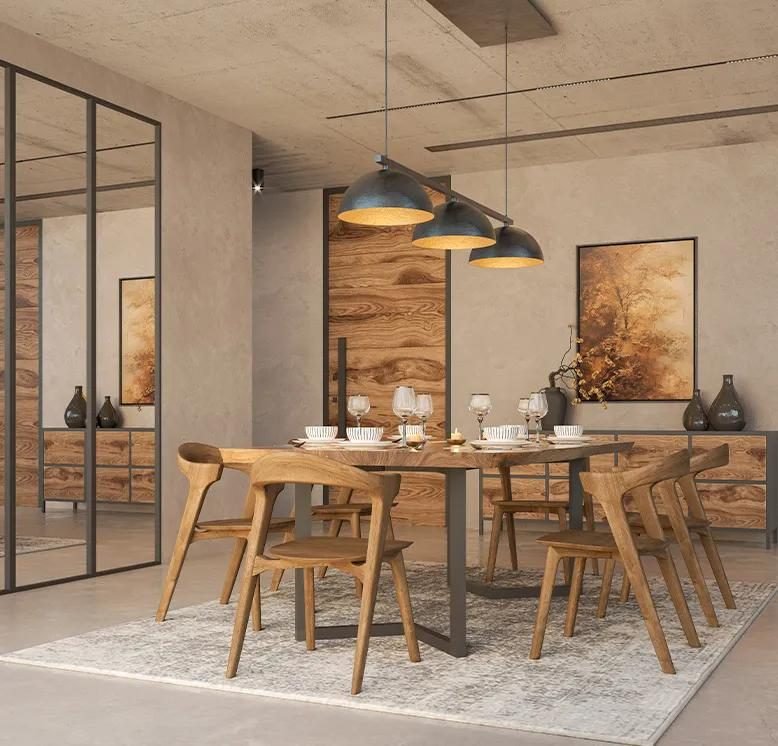
For an edgier, urban look, industrial lighting celebrates raw materials such as iron, steel, brass and reclaimed wood. Exposed filament bulbs are a hallmark of the style.
Industrial fittings often feature mechanical details such as pulleys or concertina arms, which add a sense of craftsmanship. Bold as they are, they pair beautifully with soft textures like leather sofas and wool rugs for a soft industrial look. With exposed bulbs, choose amber-tinted glass so the light stays warm rather than stark.
Tip: Plan switching and dimming at the same time as the fittings. Separate circuits for ceiling, wall and lamp sockets are what let you change the mood of a room in seconds.
Bringing it together
The best living room lighting combines several of these ideas: a layer of ambient light, lamps where you sit and read, and a few accents that show off what you love, all on dimmers. Plan it alongside your layout, using our furniture arrangement guide, so every seat has good light.
Our lighting and ceiling decor service can design a complete scheme, including cove ceilings and statement fittings, or you can book a consultation.


