Living Room Decor Furniture Styling
Masterful Design Strategies for Narrow Living Rooms with Radiators
Design strategies for a narrow living room with a radiator: traffic flow, zoning, ventilated radiator covers, leggy furniture, vertical storage, rugs, lighting, mirrors and curtains.
By Admin Published 9 min read

Designing a narrow living room, often called a “bowling alley” layout, presents a unique set of architectural challenges. When you introduce a fixed radiator into this spatial puzzle, the complexity intensifies. Radiators are essential for keeping the room warm, yet their placement often dictates, and restricts, where furniture can go. Balancing heating efficiency with an easy flow and good use of floor space calls for a considered approach to interior design.
In a narrow room, every centimetre counts. The goal is to create a sense of width, make it comfortable to move through, and ensure the radiator does not become a visual or functional eyesore. This guide explores professional techniques to transform a cramped, radiator-restricted space into a cohesive and inviting room.
1. Traffic flow
The most common mistake in narrow living rooms is “pinballing” the furniture: placing pieces on alternating sides of the room, so people have to weave along a zigzag path. In a narrow space with a radiator, the most effective strategy is to establish one primary walkway.
Ideally, the walking path should stay on one side of the room. If the radiator is on one of the long walls, this often dictates the furniture arrangement. Avoid placing large pieces, such as a heavy sofa or a bulky sideboard, directly in front of the radiator. Blocking a radiator reduces how well it heats the room and, over time, the heat can dry out or damage furniture. By keeping the walkway open on the radiator side, you let warm air circulate freely into the centre of the room while keeping a clear route through it.
2. Zoning spaces
To break the “corridor effect” of a long, narrow room, divide it into zones. Rather than treating the entire length as one continuous area, create functional “rooms within a room”. For instance, one end can serve as the main TV and lounging area, while the other works as a home office, a reading nook or a small dining area.
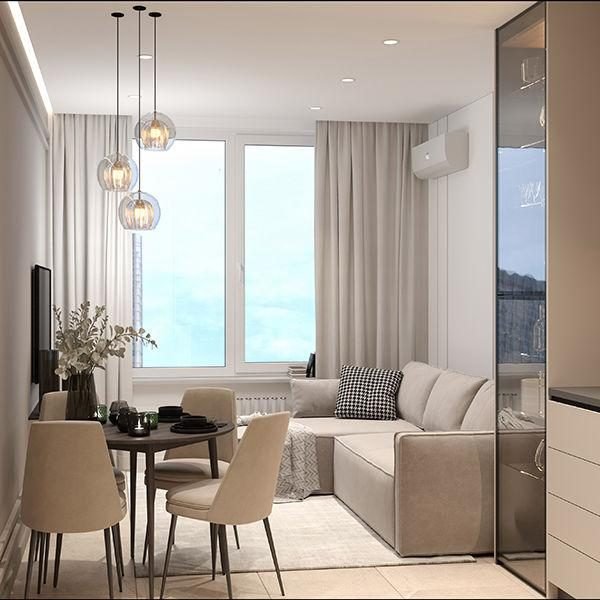
Radiators often act as natural dividers. If a radiator sits in the middle of a long wall, you can use it to mark a transitional zone. A slim console nearby, or a ventilated radiator cover that doubles as a shelf, creates a visual break. Rugs are one of the most powerful zoning tools: use two separate rugs to define different areas rather than one long runner, which would only emphasise the room’s narrowness.
3. Radiator covers
A bare, utilitarian radiator can disrupt the look of a carefully planned room. A made-to-measure radiator cover is often a good solution in narrow spaces. Not only does it hide the radiator, it also gives you an extra surface, essentially a built-in console table that takes up little floor space beyond the depth of the radiator itself.
When choosing a cover, make sure it is well ventilated. Slatted, perforated or lattice-fronted designs, open at the bottom, let warm air rise and circulate. Be aware that any cover will reduce the radiator’s heat output somewhat, so follow the cover and radiator manufacturers’ clearance guidance and keep the valves accessible. For narrow rooms, a “floating” cover, wall-mounted and clear of the floor, shows more floor and makes the room feel wider. Style the top with a mirror, artwork or a lamp to draw the eye upward and away from the room’s tight dimensions.
4. Floating furniture
In a narrow living room, the floor is your most valuable asset. The more floor you can see, the wider the room appears, so “leggy” or wall-hung furniture is ideal. Choose sofas and armchairs with slim, tapered legs rather than blocky bases that sit flush with the floor.
Wall-mounted cabinetry works in the same way. If your radiator is under a window or along a focal wall, consider fitting floating shelves above it, leaving a sensible gap so they are not sitting in the hottest air. This uses vertical space that often goes to waste. Avoid heavy, “grounded” furniture that acts as a visual anchor, making the room feel weighed down and even narrower than it is.
5. Vertical storage
When horizontal space is limited, look up. Vertical storage is a cornerstone of narrow-room design. Instead of wide chests of drawers or sideboards, opt for tall, slim bookcases or shelving units that reach towards the ceiling.
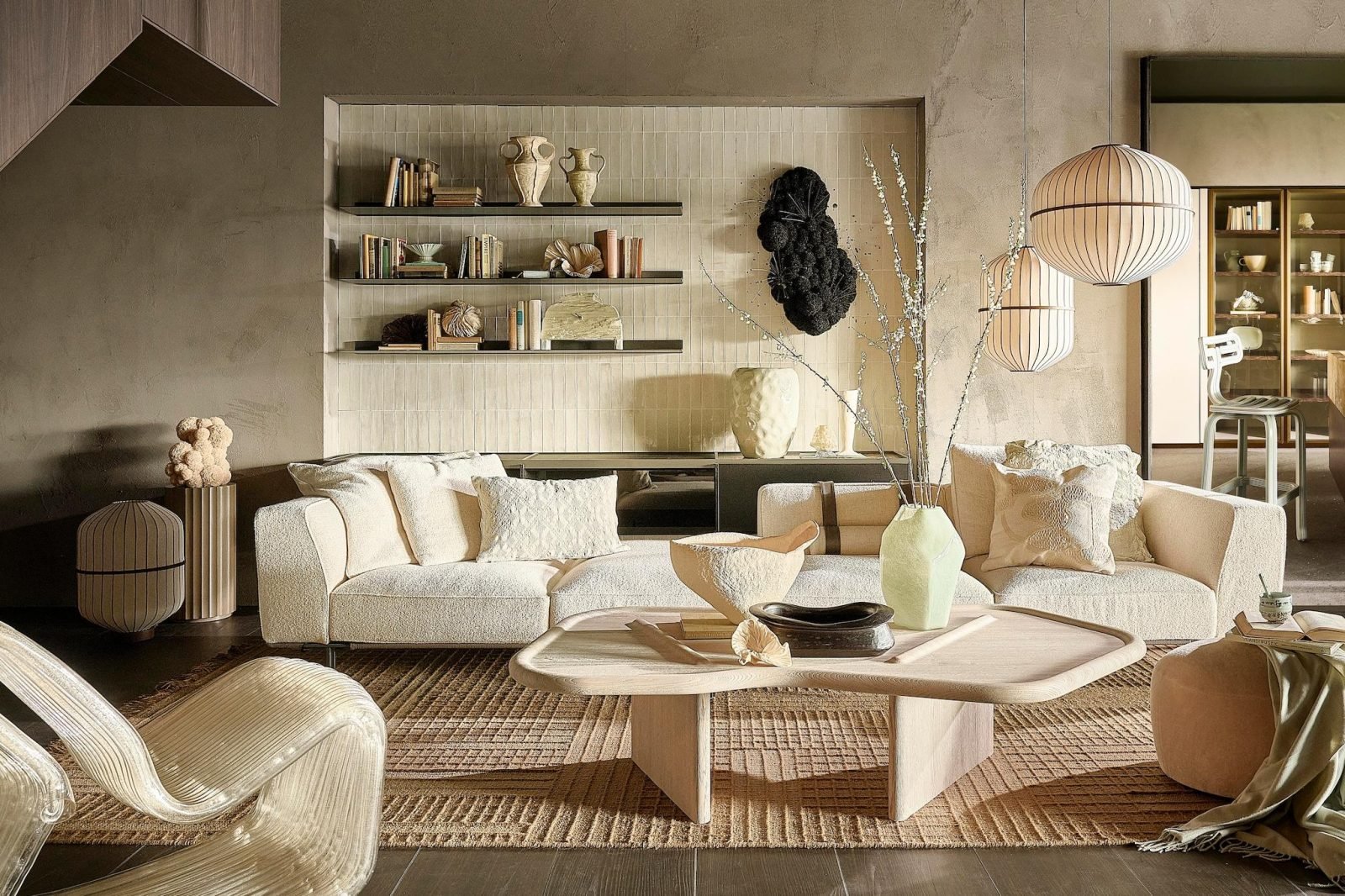
This draws the eye upward, emphasising the height of the room rather than its narrowness. If you have a radiator along a wall, you can build shelving around it, creating a “bridge” of shelves that frames the radiator and integrates it into a larger wall unit. Leave space around and above the radiator for air to flow. Done well, this makes the radiator look like an intentional part of the architecture rather than an inconvenient afterthought.
6. Rug placement
Rugs anchor your furniture. In a narrow room, the instinct is often to buy a long, narrow rug, but this tends to create a “runway” effect that makes the room feel like a hallway.
Instead, use rugs to create width. Ideally a rug should be wide enough for all the front legs of your furniture to sit on it. If you are zoning the room, use two rugs with complementary colours or textures. Keep rugs a little away from the radiator rather than tucked right up against it, as constant direct heat can dry out fibres over time. Use the rug to pull the visual weight of the room away from the radiator wall.
7. Lighting design
Lighting is one of the most effective ways to change how a space feels. A single overhead light in a narrow room creates harsh shadows in the corners, making the space feel closed in. To counteract this, use a layered lighting approach.
Wall lights are particularly useful in narrow rooms because they take up no floor space. Placing them on the long walls helps “push” the walls out visually. If you have a radiator cover, a small accent lamp on top adds a warm glow that softens the look of the radiator. Use slim floor lamps in the corners so the whole room is lit and the “tunnel” effect disappears.
8. Mirror magic
It is an old designer’s trick because it works: mirrors are invaluable in narrow spaces. A large mirror on one of the long walls reflects the rest of the room and makes it feel noticeably wider.
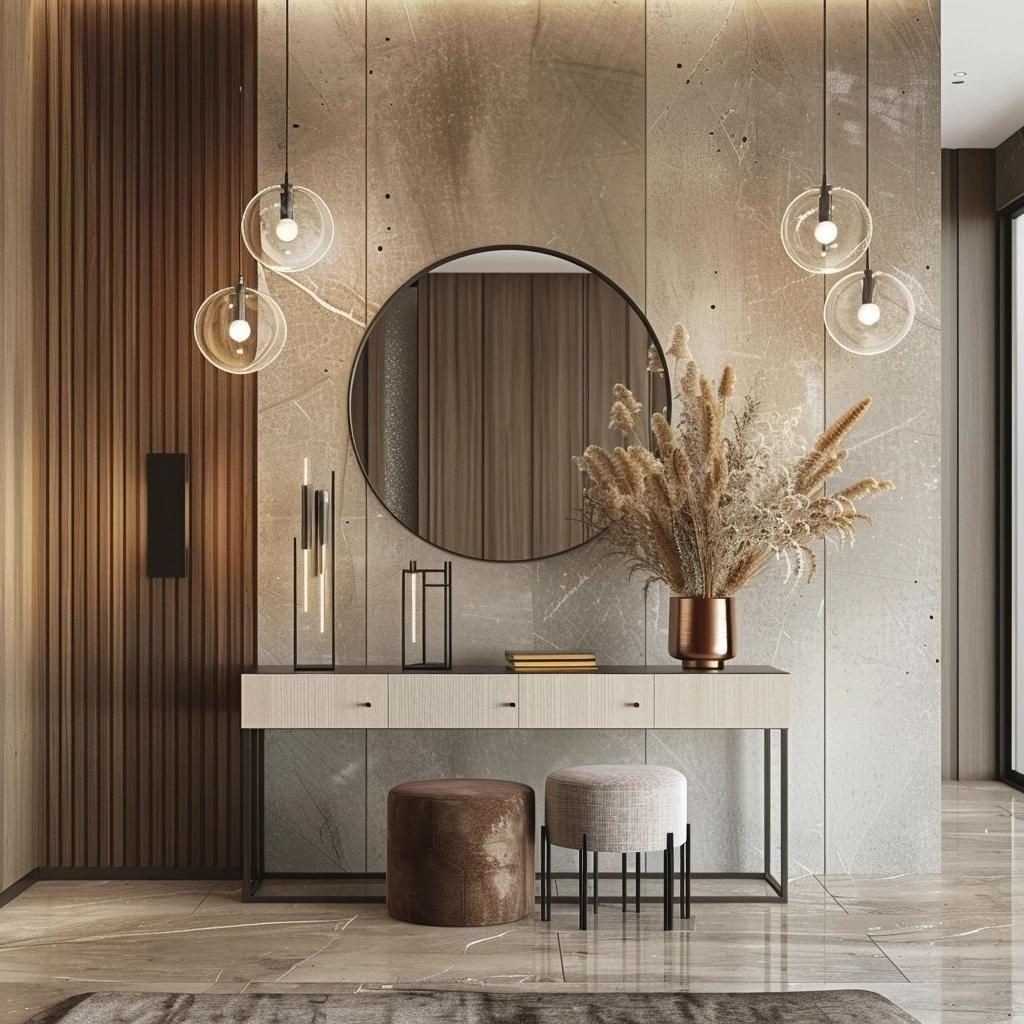
If your radiator is on the opposite wall, a mirror can reflect light from any windows near it, brightening the whole space. Avoid placing large mirrors on the short end walls, as this can make the room look even longer and thinner. Focus on the “sideways” reflection instead. For a more modern look, consider a series of smaller mirrors or a mirrored gallery wall to break up a long, flat surface.
9. Strategic seating
Choosing the right sofa is one of the most important decisions for a narrow living room. A deep-seated sofa can take up more than half the width of the room, leaving no space for a coffee table or a walkway. Look for compact or slim-profile sofas with narrow arms.
The position of the sofa in relation to the radiator matters for both comfort and heating. Avoid pushing a sofa directly against a radiator: a gap of around 30–45 cm (12–18 in) is a common rule of thumb to let air circulate, but always follow the radiator manufacturer’s guidance. If the radiator is at the end of the room, consider a small corner sofa that wraps around the opposite corner. If the radiator is in the middle of a long wall, two smaller armchairs angled towards a central point can be more flexible and space-efficient than one long sofa.
10. Window treatments
If your radiator sits directly beneath a window, a very common position in older homes, your choice of window treatment matters. Long, heavy curtains that pool on the floor will cover the radiator when closed, trapping heat between the fabric and the glass. This wastes heat, and fabric resting on a hot radiator is best avoided for safety too, so keep fabric clear of the radiator.
In these cases, opt for Roman blinds, roller blinds or shutters. These sit inside or just outside the window frame and do not interfere with the radiator below. If you prefer the look of curtains, choose floor-length panels that stay open at the sides, clear of the radiator, and use a separate blind for privacy. This lets the radiator work properly while still giving you the soft, decorative touch of fabric.
Final thoughts
Designing a narrow living room with a radiator means shifting from “filling space” to “editing space”. By keeping the walkway to one side, using vertical storage and making the most of a well-ventilated radiator cover, you can turn a restrictive layout into a real design feature. Focus on slim-profile pieces, show more floor with leggy furniture, and use mirrors and layered lighting to push the boundaries of the room. A narrow space isn’t a limitation; it is an opportunity for precise, intentional design that balances form and function.
Frequently asked questions
How far should my sofa be from the radiator?
A gap of around 30–45 cm (12–18 in) between the sofa and the radiator is a common rule of thumb, though you should always check the radiator manufacturer’s guidance. The gap lets heat circulate around the room rather than being absorbed by the back of the sofa, and helps protect the upholstery and frame from constant direct heat.
Can I put a TV over a radiator in a narrow room?
It is generally best avoided unless there is a sturdy shelf or a ventilated radiator cover between them to deflect the heat. Rising warm air can affect electronics over time, so check the TV manufacturer’s guidance on operating temperature and clearances before you mount it.
What is the best colour palette for a narrow living room?
Light, cool colours such as soft whites, pale greys and light blues are often used by designers because they tend to make walls feel further away and the room feel wider. Painting the radiator, or its cover, the same colour as the wall also helps it blend in visually, reducing clutter.
Should I use a coffee table in a narrow room?
In very narrow spaces, a traditional coffee table can block the walkway. Consider C-shaped side tables that slide over the sofa seat, or a set of nesting tables that can be tucked away when not in use. This keeps the flow while still giving you somewhere to put things down.
How do I stop my narrow room from looking like a hallway?
Break up the length with elements that run across the room. Place some items, such as a rug, a bench or a light fitting, across the width of the room rather than along its length. This draws the eye from side to side rather than just from end to end.
For more layout help, read our living room furniture arrangement guide, our tips on arranging furniture in a small living room and our guide to a shared house communal living room. Our living room decoration service can plan a layout for your room, or you can book a consultation.


