Living Room Decor Budget Home Decor
Shared House Communal Living Room: How to Make It Work for Everyone
Seating for every housemate, durable fabrics, shared storage, a neutral palette everyone can agree on, good lighting and simple house rules for a communal living room.
By Admin Published 7 min read

In a lot of shared houses, the communal living room is the room nobody quite owns. Housemates retreat to their bedrooms, the sofa is too small, the coffee table collects post and chargers, and the décor is a mix of whatever was left behind by previous tenants. Yet a good shared living room makes a real difference to how a house feels: it is where people actually get to know each other.
Whether you are a landlord furnishing a house share, or housemates trying to improve the room you already have, the principles are the same: enough seating, tough materials, clear storage, a neutral base everyone can live with, and a few agreed rules.
Seating for everyone
The single most common problem in a shared house communal living room is too few seats. If five people live in the house and the sofa seats three, the room will only ever be used by three.
- Count heads, then add one. Aim for at least one comfortable seat per housemate, plus one for a guest. Seats can be a mix of sofa places, armchairs, floor cushions and stools.
- Two sofas beat one big one. Two medium sofas facing each other, or set in an L, are easier to fit through doors and stairs, easier to replace one at a time, and better for conversation than one huge corner unit.
- Add flexible extras. Stackable stools, a pouffe or two and large floor cushions can be brought out when everyone is in and tucked away afterwards.
- Allow clearances. Leave around 40–45 cm (16–18 in) between sofas and the coffee table, and about 75–90 cm (30–36 in) for main walkways so people can get in and out without climbing over each other.
- Face seating towards each other as well as the TV. A layout where every seat faces a screen discourages chat; angle at least one chair or sofa towards the others.
For layout basics, see our living room furniture arrangement guide.
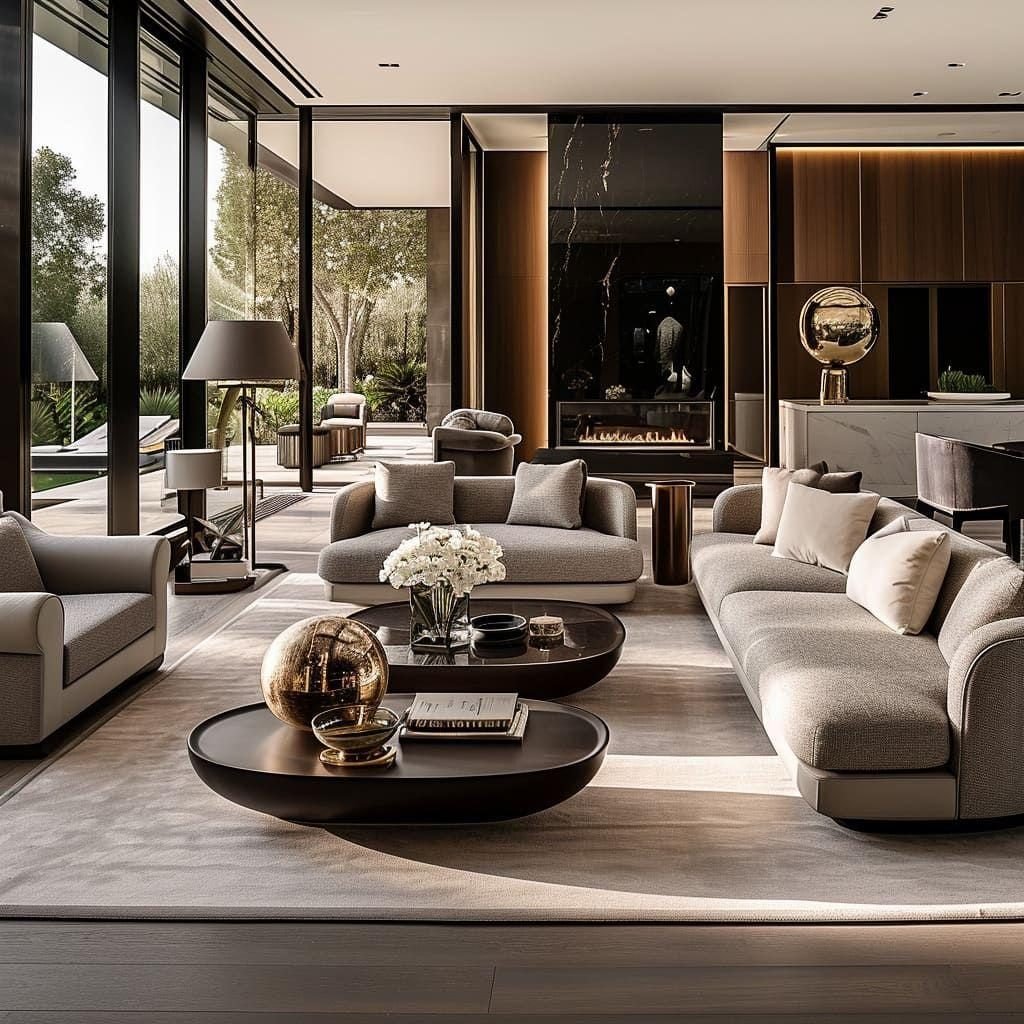
Durable fabrics and finishes
Shared living rooms get heavy use, so choose materials for durability first and looks second.
- Upholstery: tightly woven fabrics, performance fabrics and textured weaves hide marks and wear well. Look for a high rub-count rating on the specification if one is given, and check the cleaning code on the label.
- Removable, washable covers on sofas and cushions are worth seeking out, as they can be washed rather than replaced.
- Colour: mid-tones such as warm grey, taupe, olive, navy or rust forgive spills far better than pale cream or very dark solids, which show lint and dust.
- Leather or faux leather wipes clean easily but can scratch; it suits houses without pets.
- Tables and surfaces: choose sealed timber, laminate or lacquered finishes that cope with mugs and plates. Use coasters, and keep a cloth handy.
- Rugs: flatweave or low-pile rugs in patterned or mottled designs hide wear and are easy to vacuum. Washable rugs are a practical choice.
- Fire safety: furniture supplied in rented homes in the UK generally needs to meet furniture fire safety regulations. Landlords should check labels and current regulations; housemates bringing in their own pieces should look for the appropriate fire label too.
Shared storage that stops clutter
Clutter builds up in communal rooms because nobody has a place to put things. Give everything a home.
- One closed storage unit, such as a sideboard or cube shelving with baskets, for shared items: board games, spare blankets, remote controls, chargers.
- A basket or tray per housemate for things that end up in the living room, so personal items can be gathered up quickly.
- Labelled baskets make it obvious where things go, which helps more than any rota.
- A drop zone by the door, ideally in the hallway, for keys, post and bags, so they do not land on the coffee table.
- Wall shelves keep the floor clear in smaller rooms. In rented homes, get the landlord's written permission before drilling, or use freestanding shelving.
Our storage ideas for small homes has more space-saving options.
Agreeing a neutral palette
Colour is where housemates' tastes clash most. The trick is to agree a neutral base, then allow a limited amount of personality on top.
- Base: walls, large furniture and rugs in calm, flexible tones such as warm white, soft greige, mushroom or pale sage. These suit almost any accent colour.
- Accent colours: pick two or three as a group, for example terracotta and olive, or navy and mustard. Cushions, throws and art then pull from that shortlist.
- Vote with samples. Pin up a few fabric swatches or paint cards and let everyone choose; it is quicker than debating in the abstract.
- Renters: check your tenancy agreement before painting. Many landlords will agree to a neutral repaint if asked in writing, and some will ask that walls are returned to the original colour when you leave.
Our living room colour scheme guide has palettes to start from.
Personal touches without clutter
A shared living room should feel like it belongs to everyone, not like a hotel lobby, and not like one person's bedroom.
- A shared gallery wall where each housemate contributes one or two framed prints or photos, all in matching or similar frames, looks intentional rather than messy.
- One shelf each on a bookcase for books, plants or objects, with an agreement that it does not spill over.
- Plants make a room feel looked-after. Choose easy-care ones and agree who waters them. If there are pets in the house, check the plant is safe for them using the ASPCA's toxic plant list.
- Rotate seasonal touches, such as throws in winter or fresh flowers in spring, rather than adding more objects permanently.
- Hanging art in rented homes: test removable adhesive hooks on a hidden spot first, as some can lift paint, and ask the landlord before using nails.
Lighting for different people and moods
One overhead light suits nobody: too bright for a film, too dim for reading.
- Use at least three light sources: a ceiling light for cleaning and general use, a floor lamp by the main seating for reading, and one or two table lamps for evenings.
- Warm white bulbs make the room feel more relaxed in the evening.
- Dimmers or smart bulbs let people adjust the mood without arguing over the switch. Plug-in dimmers are a renter-friendly option.
- Task lighting near any desk if housemates work or study in the room.
See our living room lighting ideas for more on layering.
Rules of thumb for housemates
Good design helps, but a communal room only stays pleasant if everyone agrees a few basics. Keep them short and practical.
- Leave it as you found it. Plates, cups and personal items go back before bed.
- Agree a weekly reset. Ten minutes to vacuum, clear surfaces and plump cushions, on a simple rota.
- Talk before big changes. New furniture, painting or rearranging gets agreed by the group first.
- Agree TV and quiet hours, especially if bedrooms are next to the living room.
- Guests: agree how often and how late, and who is responsible for tidying up after.
- Shared purchases: decide up front who owns what, so it is clear what stays and what goes when someone moves out.
Tip: Write the house rules and the storage plan on one page and stick it inside the storage unit door. New housemates learn the system on day one, and nobody has to have an awkward conversation later.
A note for landlords furnishing a house share
- Provide enough seating for the number of tenants, plus space for occasional extra seats.
- Choose robust, easily cleaned furniture with replaceable or washable covers.
- Keep walls and floors neutral so tenants can add their own accessories.
- Include good lighting and enough sockets so extension leads are not trailing across the floor.
- Check current fire safety, licensing and furnishing requirements for shared homes in your area.
Making your communal living room work
A shared living room works when everyone has a seat, everything has a place, and the décor is calm enough for different tastes to sit on top. Start with seating and storage, agree a neutral palette, then add personal touches in a controlled way.
For more ideas, read our budget living room makeover ideas and small apartment decorating ideas. Our living room decoration service can plan a shared space that suits everyone, or you can book a consultation.


