Outdoor Pizza Oven: Pros, Cons, and Who It's Right for
Wood-fired or gas, heat, learning curve, upkeep, portable models and real costs: what owning an outdoor pizza oven is like and who it suits best.
By Admin Published 8 min read

The backyard has evolved. What was once just a patch of grass for a charcoal grill and a few lawn chairs has become a sophisticated extension of the home kitchen. At the center of this culinary revolution is the outdoor pizza oven. Whether it’s a towering brick structure or a sleek, portable stainless steel unit, these ovens promise something a standard kitchen oven simply cannot deliver: the blistering heat and smoky essence of a true Neapolitan pie.
But as with any significant home investment, the reality of owning one involves more than just perfect crusts. From the logistical challenges of heat management to the sheer joy of hosting a backyard "make-your-own-pizza" night, there is a lot to consider before you fire up the stones.
Wood-Fired
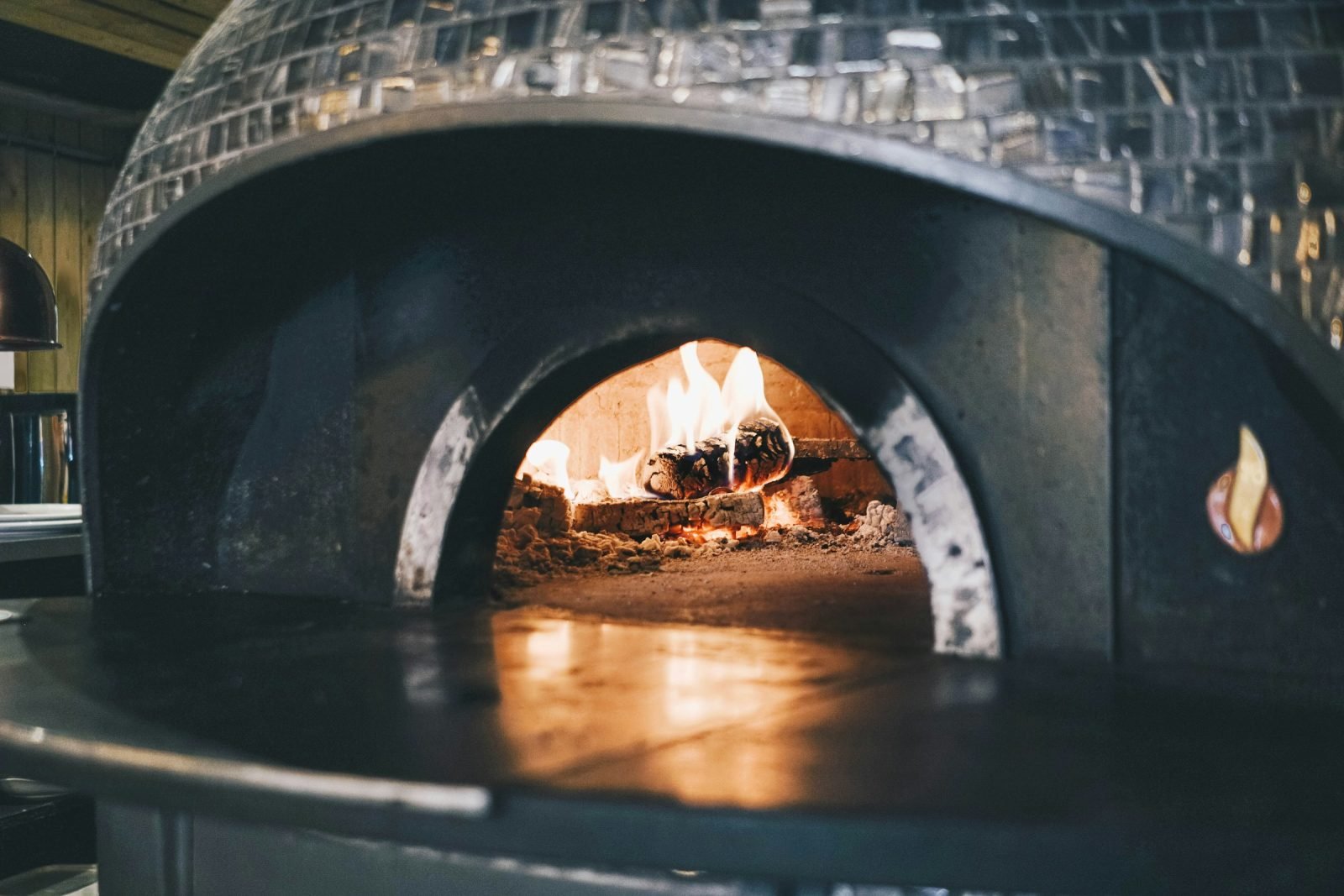
For the purists, wood-fired is the only way to go. This is the traditional method that dates back centuries. The primary advantage of wood is the flavor profile. The smoke from hardwoods like oak, maple, or ash infuses the dough and toppings with a subtle, earthy complexity that gas or electricity simply cannot replicate.
Wood-fired ovens rely on thermal mass. You build a large fire inside the chamber to heat the thick stone or brick walls. Once the oven reaches temperatures between 800°F and 1,000°F, you push the coals to the side and cook the pizza directly on the floor. The intense radiant heat from the dome cooks the top of the pizza, while the conductive heat from the floor crisps the bottom in under 90 seconds. However, this method requires patience; it can take anywhere from 45 minutes to two hours to properly "saturate" the stone with heat.
Gas-Powered
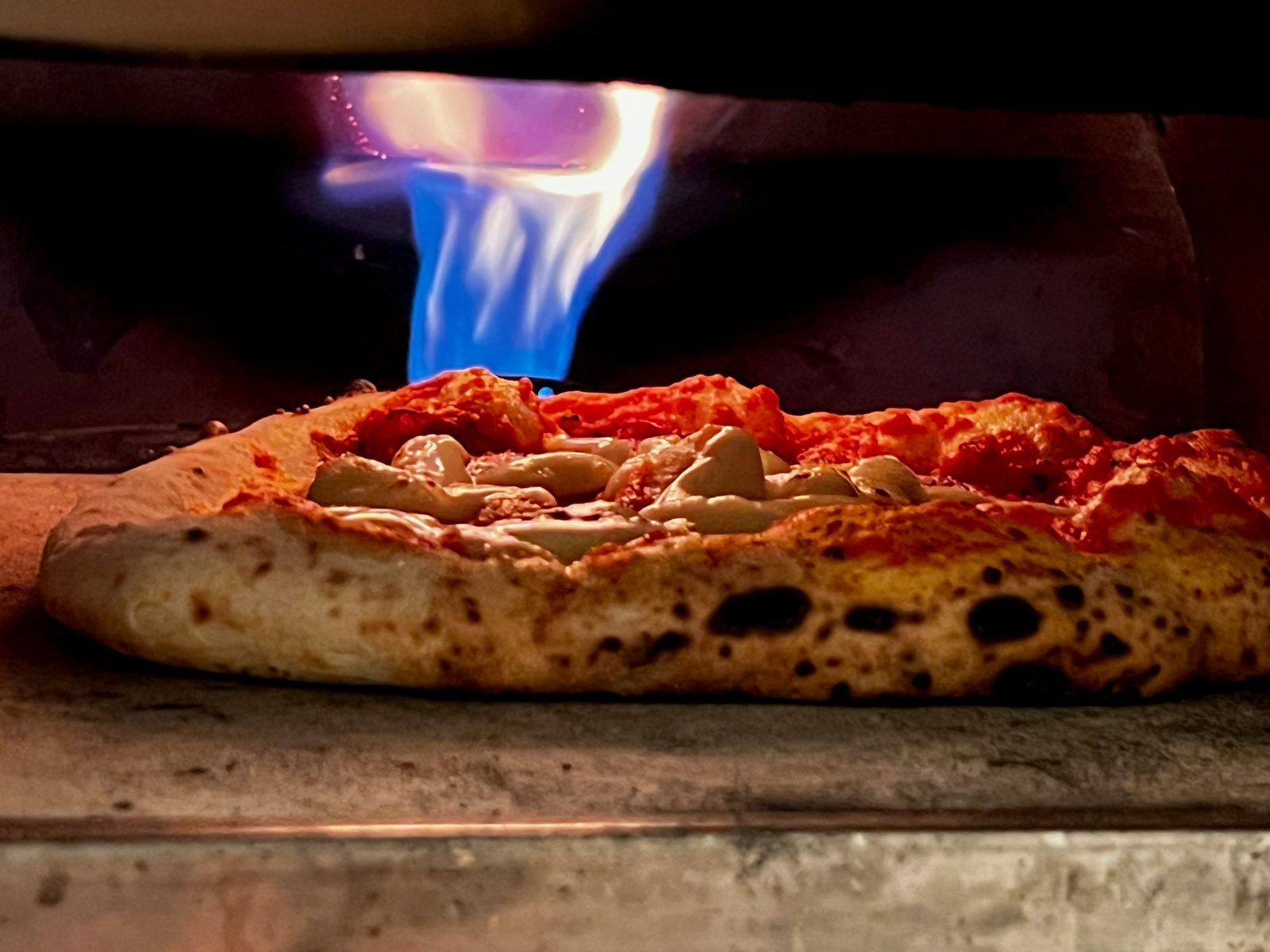
If convenience is your priority, gas-powered ovens—usually fueled by liquid propane or natural gas—are the modern answer to the pizza craving. These ovens are favored by those who want to turn a dial and be ready to cook in 15 to 20 minutes.
Gas ovens offer incredible temperature control. If the oven is getting too hot and burning your toppings before the crust is done, you can simply lower the flame. There is no ash to clean up, no wood to chop, and no soot to scrub off your pizza peel. While you sacrifice that signature smoky flavor, many enthusiasts argue that at 900°F, the pizza cooks so fast that the smoke barely has time to penetrate the dough anyway.
Heat Intensity
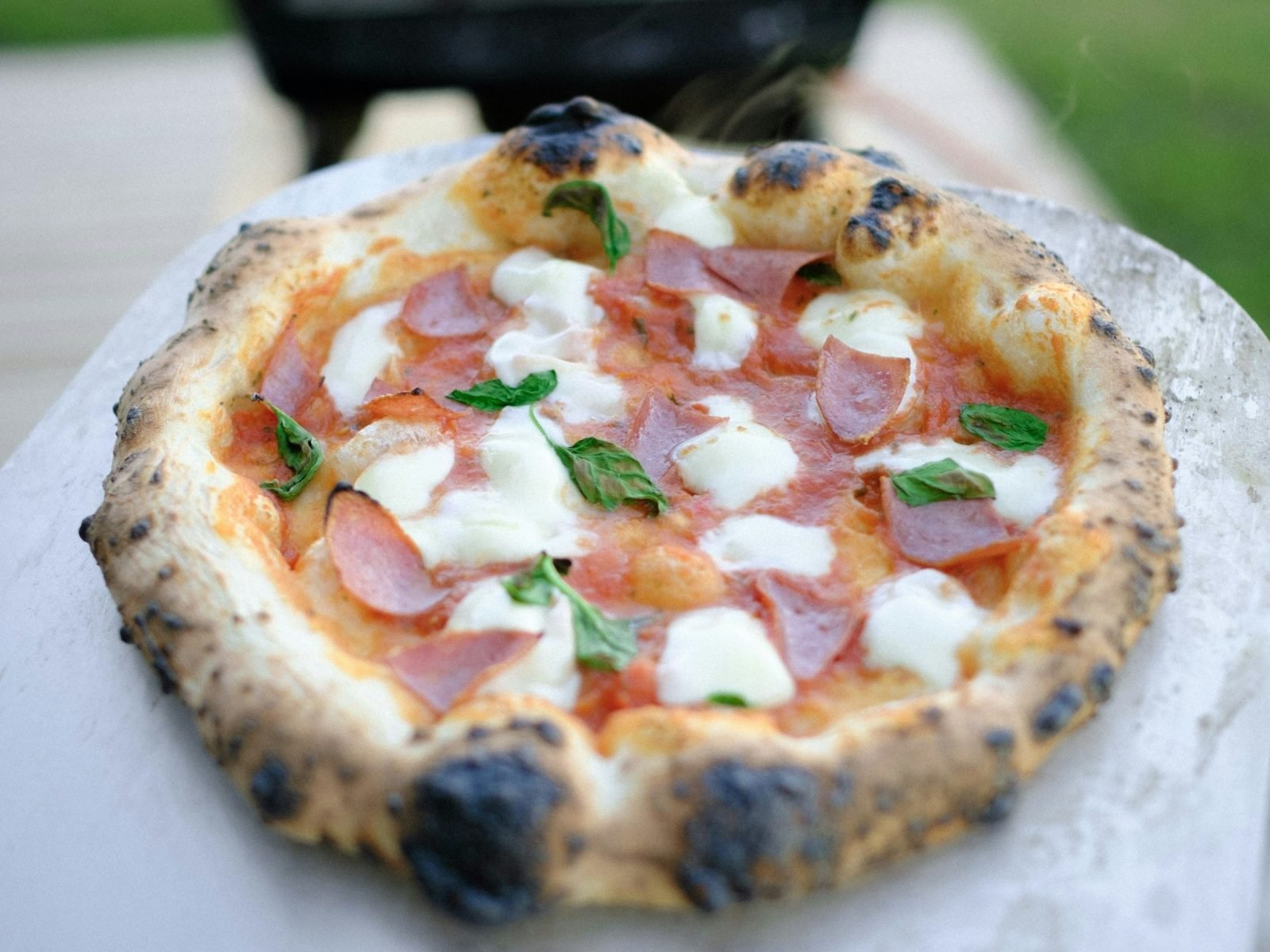
The defining characteristic of an outdoor pizza oven is its ability to reach extreme temperatures. A standard indoor oven typically tops out at 500°F. At that temperature, a pizza takes 10 to 15 minutes to bake, which dries out the dough and results in a crunchy, cracker-like texture rather than a soft, airy one.
In an outdoor oven, the heat is so intense that the moisture in the dough evaporates almost instantly, creating "oven spring"—the rapid expansion of gas that makes the crust puffy and light. This high heat also creates "leoparding," those beautiful charred black spots on the crust that signify a professional-grade bake. This intensity isn't just for pizza; it's also perfect for searing steaks, roasting vegetables at high speed, or baking flatbreads.
Social Hub
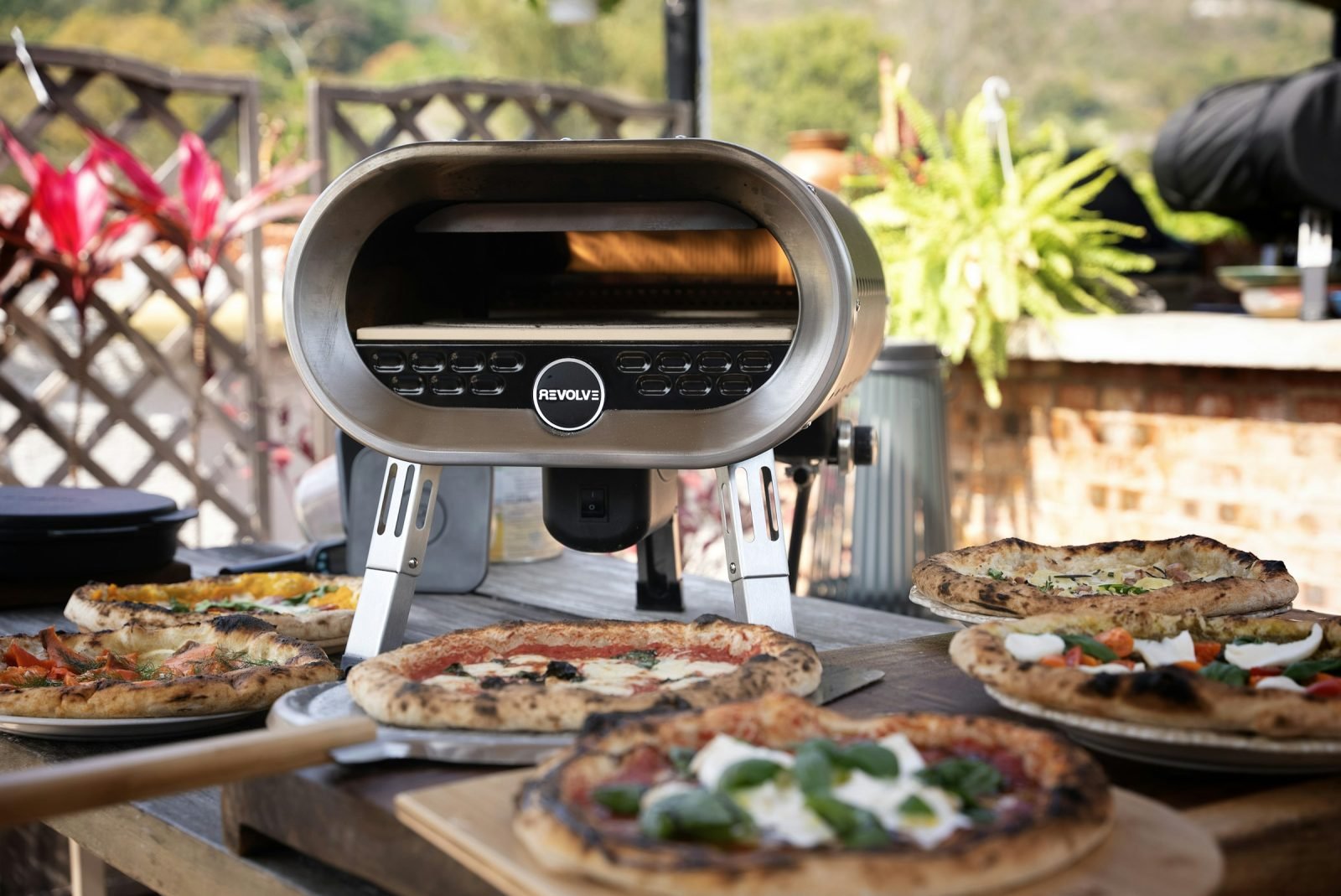
An outdoor pizza oven is more than a cooking appliance; it is an entertainment focal point. Unlike a barbecue grill where one person usually stands alone flipping burgers, pizza making is inherently collaborative.
When you host a pizza party, guests get involved in the process. They stretch their own dough, choose their own toppings, and watch with fascination as their creation transforms in the fire. It creates a "theatre of cooking" that anchors a backyard gathering. The oven becomes the hearth of the home, drawing people in with its warmth and the irresistible aroma of fermenting dough and melting mozzarella.
Learning Curve
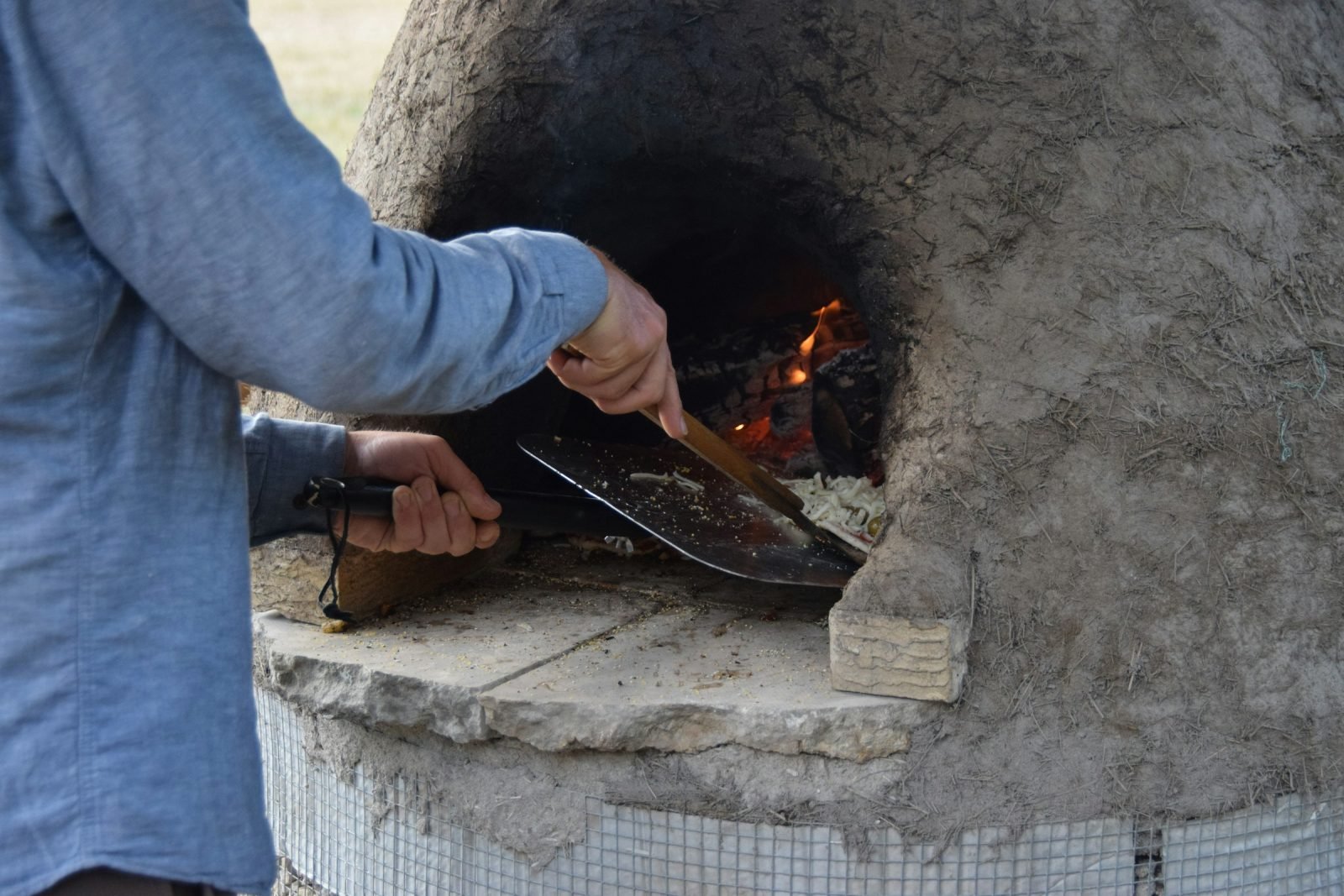
It is important to manage expectations: your first few pizzas will likely be disasters. There is a significant learning curve involved in mastering the "launch" (sliding the raw pizza from the peel onto the stone) and the "turn" (rotating the pizza so it doesn't burn on the side closest to the flame).
Temperature management is also a skill. You have to learn how to balance the heat of the floor with the heat of the air. If the floor is too hot, the bottom burns; if it’s too cold, the top burns while the dough remains raw. Managing a wood fire requires even more attention, as you must constantly feed the flames to maintain a consistent temperature. It is a craft that requires practice, patience, and a few sacrificial burnt crusts.
Maintenance
Owning a pizza oven comes with chores. For wood-fired models, you have to deal with ash removal and chimney cleaning. Over time, the high heat can cause small "spider cracks" in the refractory brick or clay. While usually aesthetic and not structural, they require monitoring.
The cooking stone itself (often made of cordierite) is porous. If you spill cheese or sauce, it will bake onto the stone. You cannot use soap or water to clean it, as the stone will absorb the moisture and could crack the next time it's heated. Instead, you have to "burn it off" by cranking the heat to the maximum and then brushing away the carbonized remains. Additionally, if the oven isn't built with weather-resistant materials, you’ll need a high-quality cover to protect it from rain and snow, which can degrade the insulation.
If the oven sits in an outdoor kitchen, the same routine as our seasonal grill island care plan keeps the stone and steel around it in good shape.
Portability
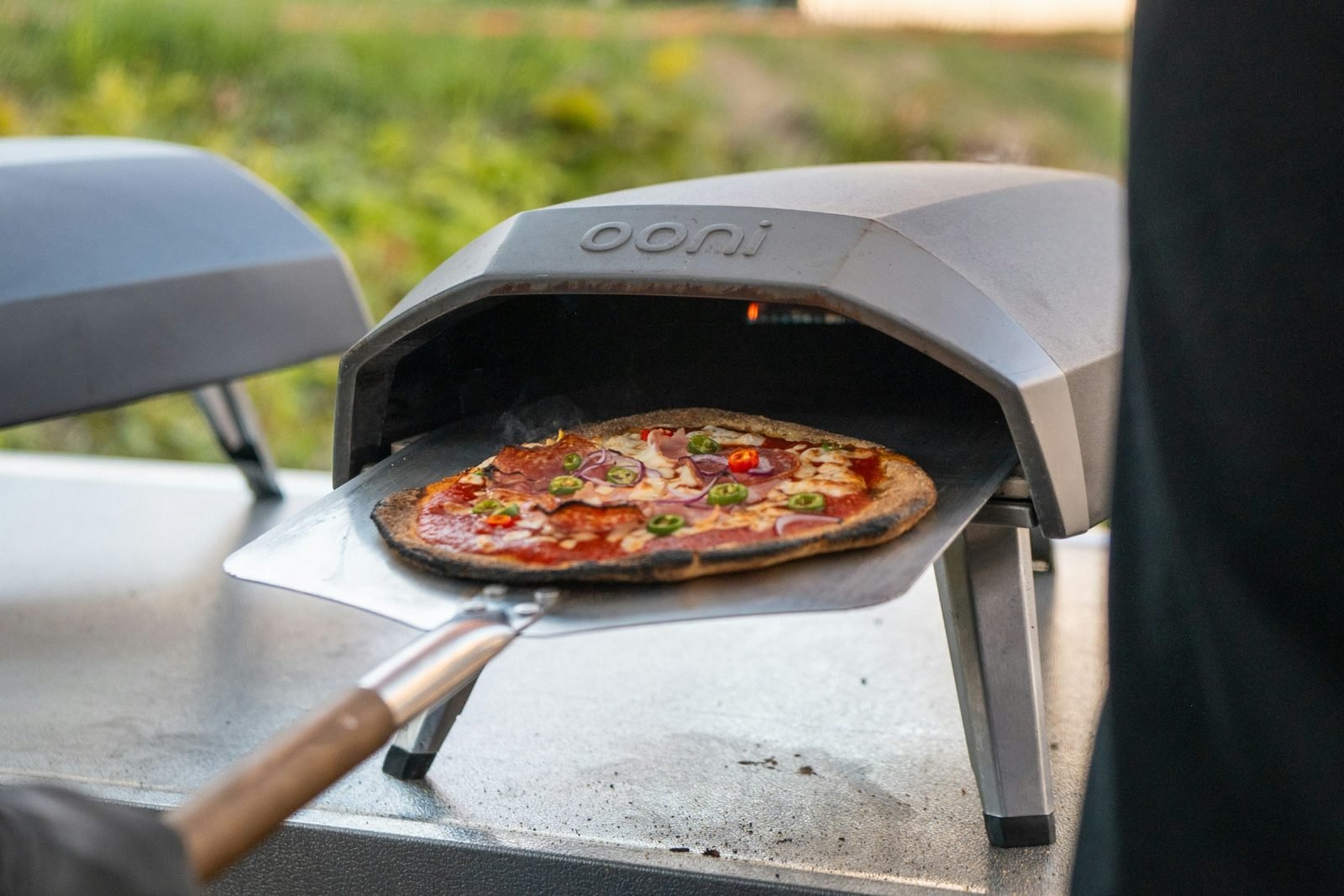
Years ago, if you wanted a pizza oven, you had to build a permanent masonry structure in your yard. Today, the market is flooded with high-performance portable options. Brands like Ooni and Gozney (maker of the Roccbox) have revolutionized the industry by creating ovens that weigh less than 50 pounds.
This portability is a game-changer for renters or people with small patios. You can take your oven to a friend’s house, bring it tailgating, or pack it for a camping trip. When you’re done, many of these models have folding legs, allowing them to be stored in a garage or shed, keeping your outdoor space tidy. This flexibility has made high-end pizza making accessible to a much wider audience.
Cost
The price of entry varies wildly. On the low end, you can find small, pellet-fueled portable ovens for around $300. These are great for beginners but often have small cooking surfaces and thinner insulation. Mid-range portable gas or multi-fuel ovens typically fall between $500 and $1,000.
If you are looking for a permanent, "forever" oven, prices climb quickly. Pre-assembled stone ovens can cost between $2,000 and $5,000, while a custom-built, artisan-tiled masterpiece integrated into an outdoor kitchen can easily exceed $10,000. You also have to factor in the cost of accessories: a good turning peel, an infrared thermometer, a heavy-duty cover, and high-quality fuel (kiln-dried hardwood isn't cheap) can add another $200 to $500 to your initial budget.
Building a masonry oven yourself costs far less than a custom one. Our step-by-step pizza oven build guide walks through all nine stages.
Who It’s Right For
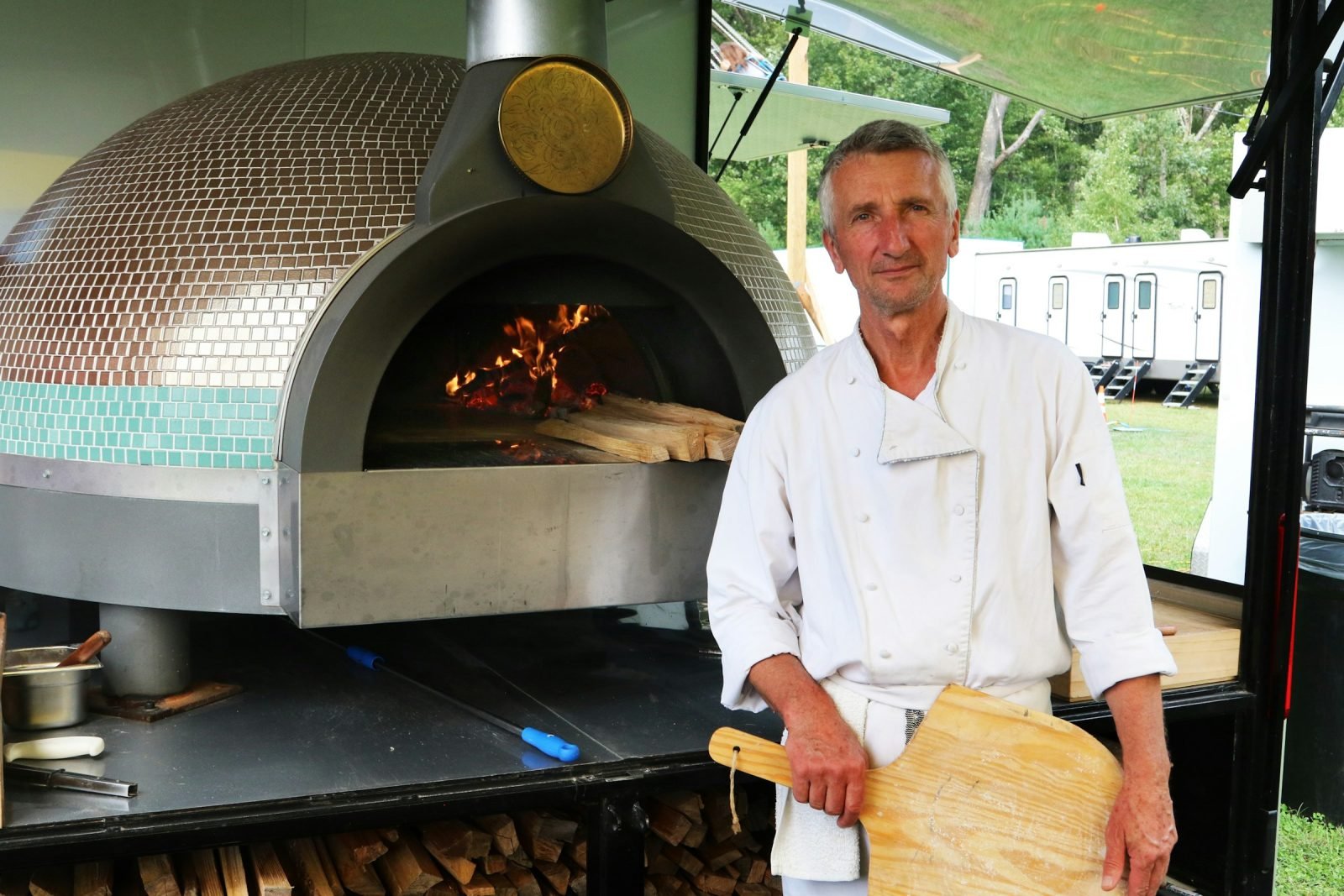
The Culinary Hobbyist: If you love the science of sourdough, the hydration levels of flour, and the pursuit of the "perfect bite," an outdoor pizza oven is your ultimate playground. It offers a level of technical challenge that is deeply rewarding for those who love to cook.
The Frequent Host: If your house is the designated spot for Sunday football, birthdays, or summer cookouts, the oven is an unbeatable social tool. It feeds a crowd quickly and provides a fun activity that keeps guests engaged.
The Outdoor Enthusiast: If you prefer living and cooking outside whenever the weather permits, adding a pizza oven expands your repertoire far beyond the standard burger and hot dog, allowing you to treat your patio like a five-star bistro.
FAQ
Can I use a pizza oven in the winter?
Yes! Most high-quality pizza ovens are designed to handle cold ambient temperatures. However, it will take longer to preheat, and you will consume more fuel to maintain the high internal temperature. Be sure to keep the oven covered when not in use to prevent moisture from freezing inside the stone.
Is a wood-fired oven better than a gas oven?
"Better" depends on your lifestyle. Wood-fired ovens offer traditional flavor and a more "authentic" experience but require more work and cleanup. Gas ovens offer speed, precision, and ease of use. Many modern ovens are "multi-fuel," allowing you to switch between the two.
Do I need a special type of flour for a pizza oven?
For the best results at high temperatures (above 750°F), "00" flour is recommended. It is finely milled and has a heat-resistant protein structure that prevents it from burning as easily as standard all-purpose or bread flour.
How long does it take to cook a pizza?
In an oven running at 850°F or higher, a pizza typically takes between 60 and 90 seconds. Because it cooks so fast, you must stay by the oven the entire time and rotate the pizza every 15–20 seconds to ensure an even bake.
Can I cook things other than pizza in it?
Absolutely. Anything that benefits from high heat or a smoky environment works well. This includes cast-iron seared steaks, roasted chicken, charred vegetables, cedar-plank salmon, and even desserts like fruit crumbles or fire-roasted peaches.


