Living Room Decor Furniture Styling
Toddler-Proof Coffee Table Alternatives: Softer, Safer Ideas for a Family Living Room
Toddler-proof coffee table alternatives that still look good: upholstered ottomans, round and soft-edged tables, storage benches and nesting tables, plus key safety steps.
By Admin Published 6 min read

The coffee table sits at exactly the wrong height once a baby starts pulling up and cruising. Its edges and corners line up with a toddler’s head, its top is a perfect launch pad, and anything left on it is within easy grabbing distance. Many parents simply push the table into a corner, and the living room loses its centre.
You do not need to give up a central surface. This guide looks at toddler-proof (or baby-proof, as it is often searched) coffee table alternatives that keep the room looking considered, along with the safety basics that matter more than any single piece of furniture.
What makes a coffee table risky for toddlers
Before choosing a replacement, it helps to know what you are designing out:
- Sharp corners and hard edges at roughly 40–45 cm (16–18 in) high, which is about head height for a young toddler.
- Glass tops, which can chip, crack or shatter if something heavy is dropped on them or a child climbs onto them, and which are often paired with metal frames with exposed edges.
- Lightweight or wobbly frames that tip when a child pulls up on one side.
- Lift-up tops and lidded storage that can trap fingers or slam shut.
- Clutter on top: hot drinks, remotes with button batteries, candles, small ornaments.
The ideal alternative is soft or rounded, low and stable, with nothing on top that you would not want a toddler to hold.
1. Upholstered ottomans and pouffes
A large upholstered ottoman is the classic family alternative. It works as a footrest, extra seating, a play surface and, with a tray on top, a place to put down a cup when the children are in bed.
- Size: for a standard three-seater sofa, look for something around half to two-thirds of the sofa’s length, for example 90–120 cm (35–47 in) long, or a round ottoman of 80–100 cm (31–39 in) across.
- Height: roughly level with, or slightly below, the sofa seat, usually 38–45 cm (15–18 in).
- Fabric: choose a tightly woven, wipeable or performance fabric, ideally with a removable, washable cover. Avoid deep buttons or tufting that small fingers can pick at.
- Feet: low, chunky legs or a plinth base are more stable than tall, slim legs.
A cluster of two or three smaller pouffes is a flexible option for compact rooms. They can be pushed aside for floor play and used as seats for little visitors.
2. Round and soft-edged tables
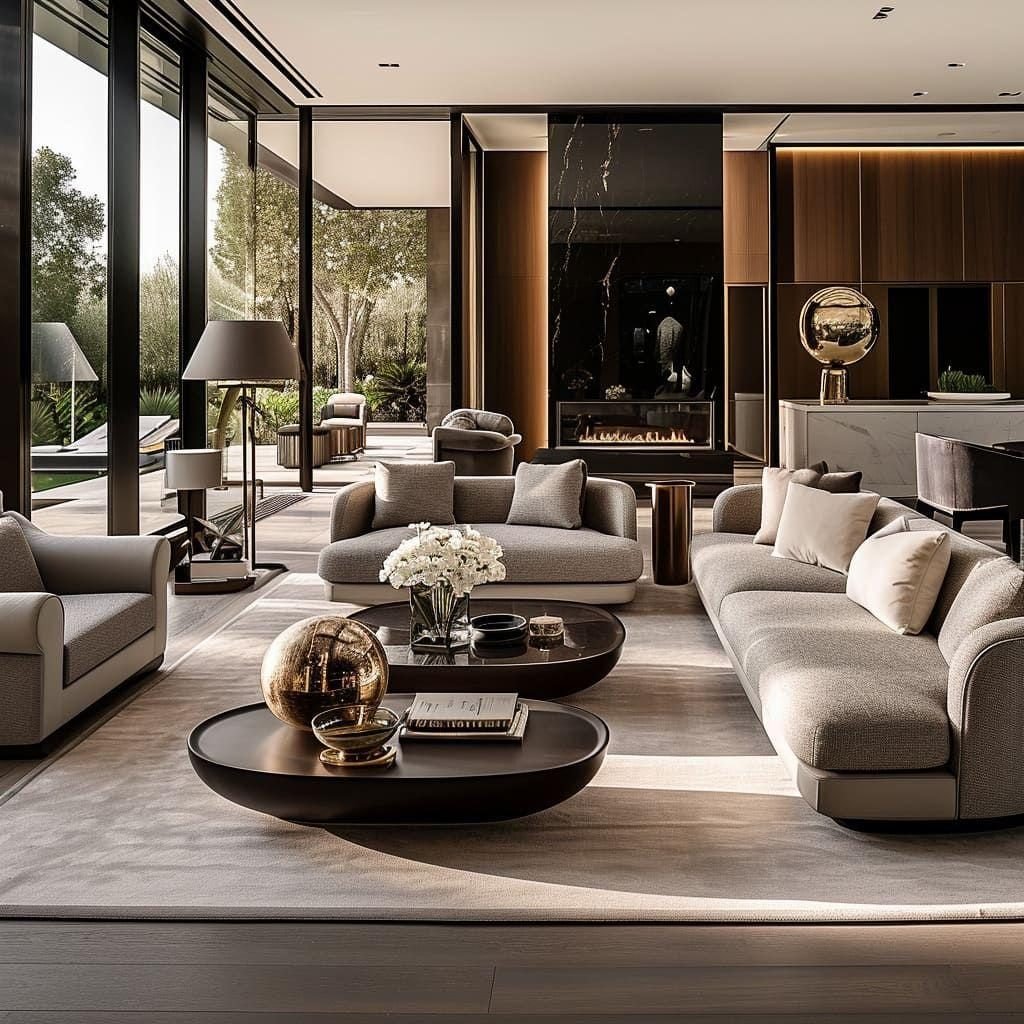
If you prefer a hard surface, choose a round or oval table, or one with generously radiused corners. A curved edge spreads the impact of a bump far better than a crisp right angle.
- Solid timber, painted wood or a sealed composite surface stands up well to toys and sticky hands.
- Look for a heavy base or a solid drum or pedestal form that cannot be tipped by a child pulling on the edge.
- Avoid stone or concrete tops on slim legs, and check that any heavy top is fixed to its base and cannot slide off.
- Keep 40–45 cm (16–18 in) between the table and the sofa so adults can get past, but not so much that a toddler can easily climb from sofa to tabletop.
3. Storage benches and toy chests
A low, sturdy storage bench gives you a coffee-table surface and a place to clear toys away at the end of the day. Choose with care, because lids are where most of the risk lies.
- Pick open-fronted cubbies or baskets, or soft-close drawers, rather than a heavy lift-up lid where possible.
- If there is a lid, it should have a lid support or slow-close hinge that holds it open in any position and lowers it gently, so it cannot slam on fingers or heads.
- Check that the lid is not lockable and that there are ventilation gaps, in case a child climbs inside.
- Upholstered tops soften the surface and make the bench double as seating.
Always check that any toy box or storage bench used by children meets the safety guidance from the manufacturer.
4. Nesting tables you can put away
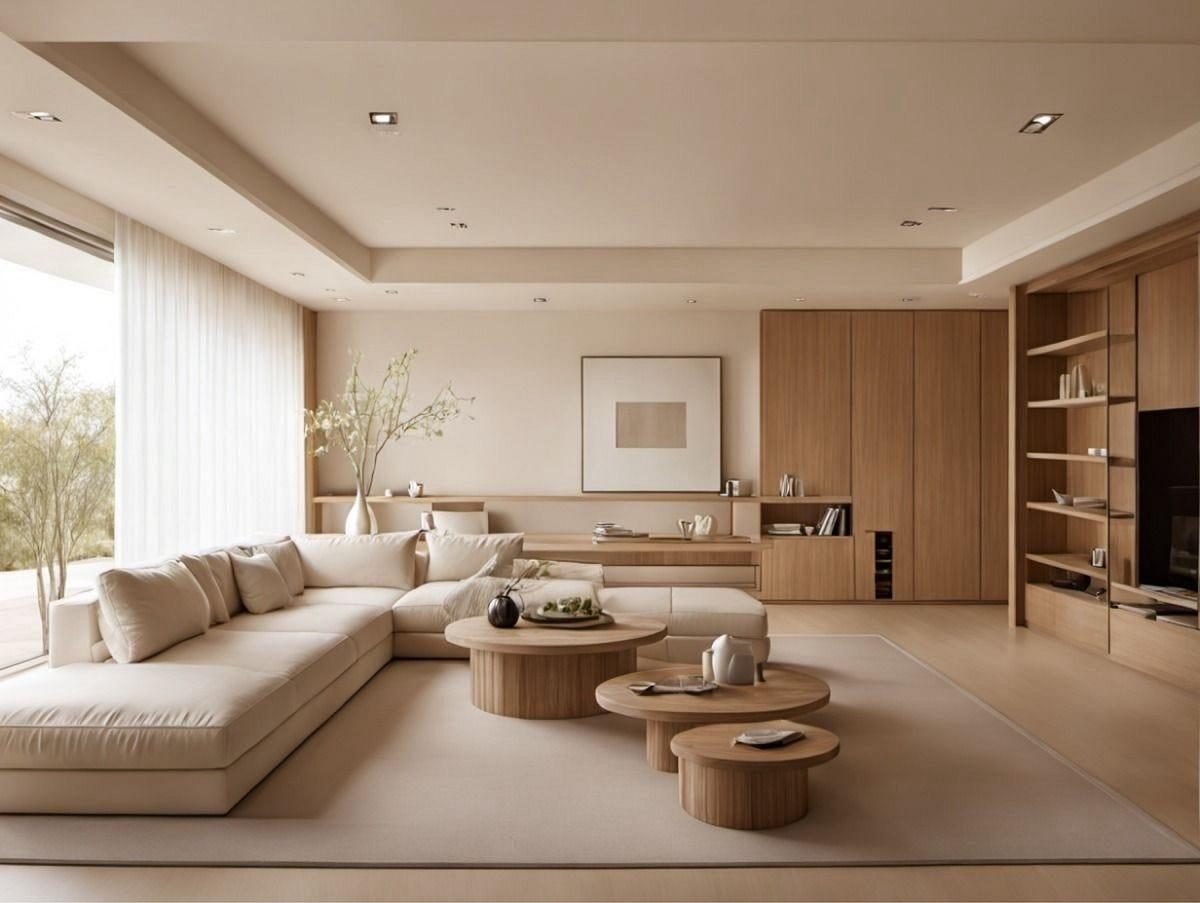
Nesting tables are a good compromise for parents who want a proper surface in the evenings. Tuck them together against a wall or beside an armchair during the day, then pull one out when you need it. Choose solid, stable sets with rounded tops, and store them somewhere they cannot be used as steps to a window sill or shelf.
5. A clear floor and a rug instead
For some families the best coffee table is no coffee table, at least for a year or two. A large, low-pile rug with a non-slip underlay creates a defined play zone in the middle of the room, and side tables at either end of the sofa take over the job of holding drinks and lamps. If you go this way, keep side tables sturdy and push them close to the sofa arms so they are not freestanding in a play route.
The safety basics that matter most
Choosing a softer coffee table is only part of baby-proofing a living room. These steps matter just as much:
- Anchor tall furniture and televisions. Secure bookcases, shelving units, chests of drawers, display cabinets and TVs to the wall with anti-tip straps or brackets, following the manufacturer’s instructions and using fixings suited to your wall type. Renters should check their tenancy agreement and get the landlord’s written permission before drilling.
- Avoid glass tops and glass-fronted low cabinets in play areas. If you keep one, ask the manufacturer whether it uses toughened safety glass and consider a protective film.
- Fit corner and edge guards to hearths, low cabinets and any existing table you keep. Choose soft, firmly attached guards and check them regularly, as some can be pulled off and become a small-parts hazard.
- Manage cords. Secure blind and curtain cords out of reach with cleats or tensioners, or choose cordless designs, and keep lamp cables behind furniture.
- Keep tabletops clear of hot drinks, candles, medicines, small ornaments and anything containing button batteries, such as remotes and small electronics.
- Use fireguards around open fires and stoves, fixed according to the manufacturer’s guidance.
Tip: Get down to toddler height, around 75–90 cm (30–36 in), and crawl or walk the room. You will spot exposed corners, reachable cords and tempting climbing routes you never notice from adult height.
Keeping it stylish
A family living room can still feel calm and grown-up. A few principles help:
- Repeat the ottoman or bench fabric elsewhere, in cushions or a curtain, so it reads as part of the scheme rather than a stopgap.
- Use a large tray on an upholstered ottoman to create a flat, stable spot for books and a cup once the children are in bed.
- Choose closed, low storage for toys, in the same finish as other joinery, so the room resets quickly at bedtime.
- Plan for change: a good ottoman or round table will still work when your child is older, so buy for the long term rather than just the toddler phase.
For more family-friendly planning, read our nursery design guide, how to design a kids’ room that grows with your child and our living room furniture arrangement guide. Explore our kids’ room and nursery decoration service, or book a consultation to plan a living room that works for the whole family.


