The Art of Bed Styling: A Comprehensive Guide to Bedding, Cushions, and Throws
A step-by-step guide to styling a bed: crisp base sheets, a plush duvet, European shams, pillows, accent cushions, throws, colour palettes, fabric mixing and seasonal changes.
By Admin Published 6 min read

The bedroom is the ultimate sanctuary, and the bed is its undisputed centrepiece. Achieving that “boutique hotel” look is not merely about buying expensive linens; it is an exercise in composition, texture and layering. Many stylists rely on a set of simple techniques to create depth and visual interest, transforming a flat, functional surface into something inviting and tactile. This guide explores the finer points of bed styling, giving you the tools to curate a space that is as beautiful as it is comfortable.
1. Foundations
Every great bed starts with the foundation. The base layer consists of your mattress protector, fitted sheet and flat sheet. For a polished look, choose sheets made from natural fibres such as long-staple cotton, linen or bamboo, which have a matte or soft sheen finish that looks sophisticated in both daylight and lamplight.
When laying the flat sheet, place it patterned-side or “finished”-side down. That way, when you fold the top edge back over your duvet or quilt, the decorative side is on show. Tight “hospital corners” at the foot of the bed create a crisp, tailored silhouette and the perfect canvas for the layers that follow.
2. The duvet
The duvet provides the bulk and comfort of the bed. To get the high-loft look seen in luxury catalogues, many stylists use the “double duvet” trick: two medium-weight inserts inside a single duvet cover. The result is a cloud-like appearance that looks far more inviting than a thin, flat cover.
Styling the duvet usually means folding it back. Pull it all the way to the head of the bed, then fold the top third back on itself. This reveals the sheets and creates a thick, plush fold that adds instant dimension. If you prefer a more modern, minimal look, pull the duvet all the way up and tuck it tightly under the mattress for a neat, “boxed” finish.
3. European shams

European shams, the large square pillows typically around 65 × 65 cm (26 × 26 inches), are the secret to creating height and architectural structure. They act as a bridge between the headboard and the rest of the bedding. For a King-sized bed (or super king / king / double for UK readers), use three European shams; for a Queen or Full, two are usually enough.
Place them at the very back of your pillow arrangement, leaning directly against the headboard or wall. Use good-quality feather inserts about 5 cm (2 inches) larger than the cover, e.g. 70 × 70 cm in a 65 × 65 cm cover, so the corners are well filled and the pillows stand tall without sagging.
4. Standard pillows
Standard or King pillows are your functional sleeping pillows. In styling, they can be handled in two ways: stacked or propped. Stacking them flat, one on top of the other, creates a clean, low-profile look that feels modern and hotel-like.
Alternatively, propping them upright in front of the European shams adds another layer of height. To keep the look cohesive, use pillowcases that either match your sheet set or coordinate with your duvet cover. For extra texture, consider shams rather than standard cases for this layer, as they often have flanged edges or quilted details that give more visual weight.
5. Accent cushions
Accent cushions are where you can introduce personality, colour and varied shapes. The “rule of three” is a helpful guide: use three cushions of different sizes and textures to create a balanced but relaxed, asymmetrical look.
Consider a long lumbar cushion or bolster as the final front-and-centre piece. This elongated shape anchors the whole arrangement and draws the eye across the bed. Experiment with other shapes too, such as rounds or smaller rectangles, to break up the dominance of squares and straight lines. This is the ideal place for bold patterns or high-contrast colours that tie in with other elements in the room, such as artwork or rugs.
6. Textured throws
A throw is more than an extra layer for cold nights; it is a styling tool that breaks up the large expanse of the duvet. There are two main ways to style one:
- The formal fold: Fold the throw into a long, neat rectangle and lay it across the foot of the bed. This creates a clean line and works well in traditional or minimalist rooms.
- The organic drape: Hold the throw by the centre and toss it over one corner at the foot of the bed, letting it fall naturally. This “undone” look adds movement and a sense of cosiness, making the room feel lived-in and approachable.
7. Colour palettes
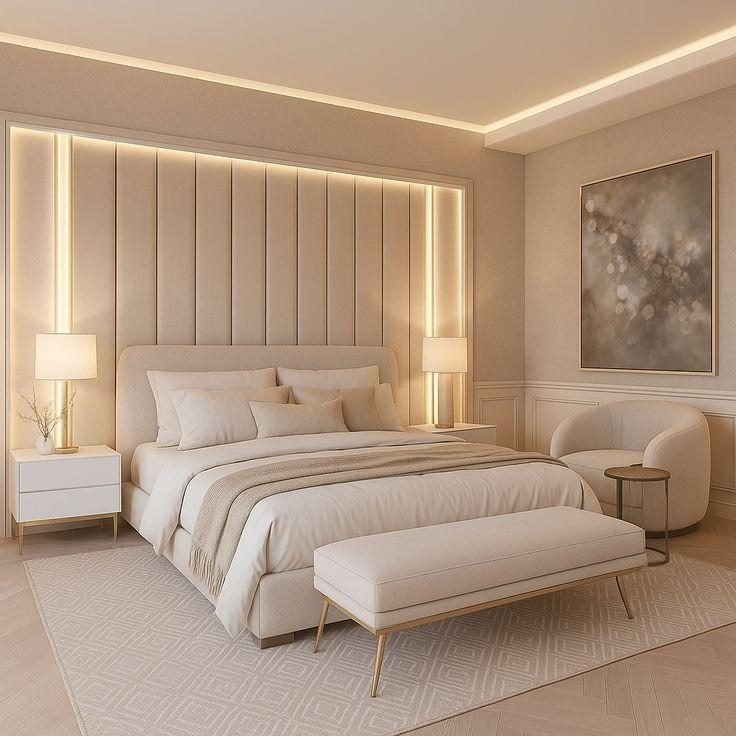
The colour palette you choose sets the mood of the room. A monochromatic palette, using various shades of one colour (for example whites, creams and beiges), relies heavily on texture to stop the bed looking flat.
If you prefer colour, try the 60-30-10 rule: 60% of the bed (the duvet and base) in a neutral or main colour, 30% (shams and large pillows) in a secondary colour, and 10% (accent cushions and throws) in a bold accent. Earthy tones such as terracotta, sage green and muted blues are popular for the grounding, serene feel they bring. Our bedroom colour guide explores palettes in more depth.
8. Fabric mixing
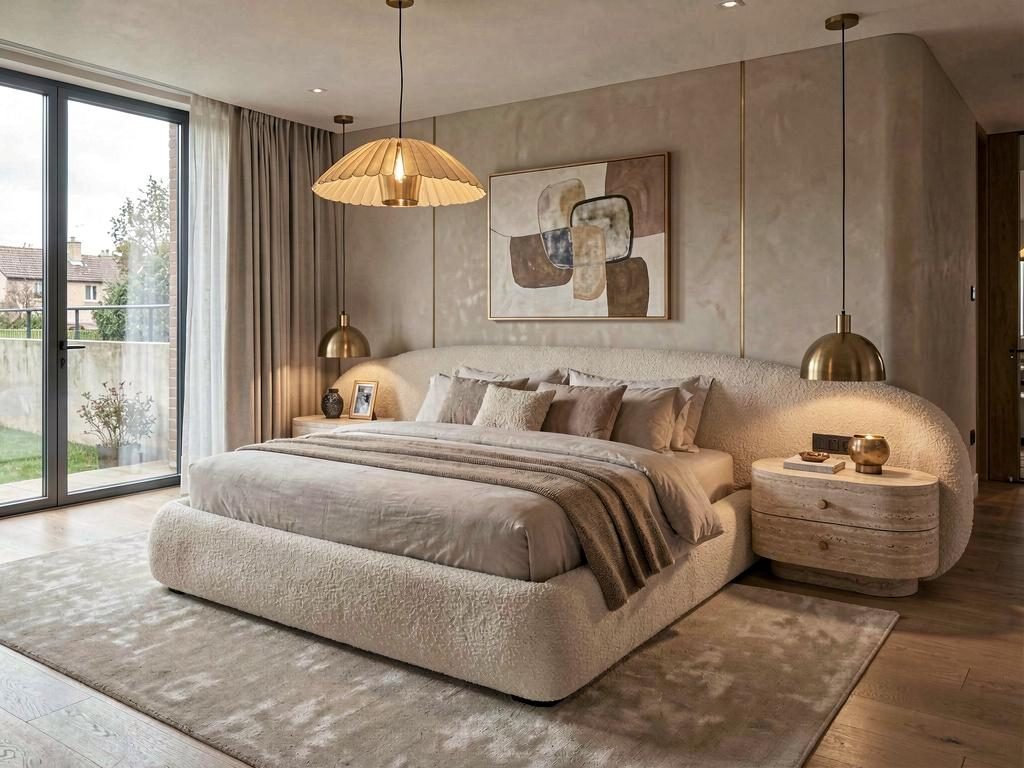
Many of the most inviting beds mix several fabric types. Combining different “hands” (the feel of a fabric) creates a sensory experience that feels luxurious. Pair a crisp cotton sheet with a stonewashed linen duvet cover, then add a velvet accent cushion for a touch of sheen and a chunky wool throw for a matte, heavy texture.
Mixing materials also lets you play with light. Silk and velvet catch the light and add a sense of glamour, while linen and cotton absorb it for a relaxed, matte finish. This interplay of light and shadow adds depth to the bed and makes it look considered and curated.
Tip: Stand in the bedroom doorway once you have finished. The bed is usually the first thing you see from there, so adjust the layers until the view from the door looks balanced.
9. Seasonal styling
Styling should evolve with the seasons. In the warmer months, opt for breathable layers: remove the heavy duvet and use a lightweight coverlet or quilt. Stick to lighter colours such as white, sky blue and pale yellow to make the space feel airy.
In winter, the goal is cocooning. Add a heavy faux-fur throw or a weighted quilt, and swap light linen covers for flannel or brushed cotton. Deep, moody colours such as forest green, burgundy or navy can make the room feel warmer and more enclosed. Adjusting your layers through the year keeps your bed both a comfortable place to sleep and a stylish focal point.
Bringing it all together
A beautifully styled bed is built layer by layer: a crisp foundation, a generous duvet, structured shams and pillows, and the personal touches of cushions and throws. Start with the basics, add texture and colour gradually, and adjust as the seasons change until it feels like your own sanctuary.
For the wider room, read our guide to decorating a bedroom and our headboard and bedroom accent wall ideas. Our bedroom decoration and home accessories styling services can help you put it all together, or you can book a consultation.


