Bedroom Decor Furniture Styling
Mastering the Sanctuary: A Comprehensive Guide to Bed Placement and Bedroom Furniture Arrangement
Ten principles for arranging bedroom furniture, from bed placement and symmetry to traffic flow, rugs, storage, layered lighting and hiding cables.
By Admin Published 6 min read

The bedroom is arguably the most important room in any home. It is a private sanctuary intended for rest, rejuvenation and intimacy. However, the functionality and atmosphere of a bedroom are dictated less by its size and more by the intentionality of its layout. Proper furniture arrangement can transform a cramped, chaotic space into a flowing, harmonious environment that many people find calmer and easier to unwind in.
Effective bedroom design draws on interior design principles, ergonomics and long-standing ideas about how we feel in a space. Whether you are working with a generous main suite or a compact urban studio, the following guide explores the essential elements of arranging your bedroom for comfort and visual appeal.
1. Command position
In Feng Shui, the “command position” is one of the best-known principles of bed placement, and it is widely used by designers. It involves positioning the bed so that you can see the entrance to the room while lying down, without being directly in line with the door. Many people find this layout reassuring, as nobody can enter the room unseen.
If the room’s architecture forces the bed onto the same wall as the door, a mirror that reflects the entrance is a common workaround. Ideally, the bed should be anchored against a solid wall, rather than under a window, which tends to make it feel more stable and settled.
2. Symmetrical balance
Symmetry is a powerful tool in interior design for creating a sense of calm and order. For main bedrooms, flanking the bed with matching bedside tables and lighting is the standard approach for a reason: it creates visual equilibrium.
Symmetry doesn’t just look better; it also provides equal functionality for two people sharing a space. Even in single-occupancy rooms, a symmetrical layout feels more complete and grounded. When choosing bedside tables, aim for roughly the same height as the top of your mattress so reaching for items is comfortable.
3. Traffic flow
One of the most common mistakes in bedroom arrangement is neglecting the flow of the room. A room that feels cluttered or difficult to navigate will inevitably feel stressful. Designers commonly recommend leaving at least 60 to 90 cm (24 to 36 inches) of walking space around the bed and between furniture pieces.
This clearance makes it easier to make the bed, open drawers and move through the room in the dark without bumping into sharp corners. In smaller rooms, you may need to give up larger furniture pieces to keep this essential breathing room; our guide to decorating a small bedroom has more ideas.
4. Dresser placement

The dresser is usually the second-largest piece of furniture in the room. Its placement is dictated by both wall space and the swing of the drawers. If you have a long, empty wall, a low horizontal dresser can double as a media console or a vanity surface.
In narrower rooms, a tall chest (or tallboy) is often a better choice, as it uses vertical space rather than floor area. Avoid placing dressers in busy routes where an open drawer might block a walkway or the bedroom door.
5. Rug anchoring
Rugs are essential for grounding the bed and adding warmth to the room. The most common arrangement is placing the rug about two-thirds of the way under the bed, so the front legs of the bed rest on the rug while the headboard and bedside tables stay on the bare floor.
Alternatively, a rug can sit entirely under the bed and bedside tables if it is large enough. The goal is that when you step out of bed in the morning, your feet land on a soft, warm surface rather than a cold floor.
Tip: Before buying a rug, mark its outline on the floor with masking tape and leave it for a day or two. It is the easiest way to check that it extends far enough beyond the sides and foot of the bed.
6. Window alignment
While the solid wall rule is preferred, sometimes the only logical place for a bed is in front of a window. In that case, the choice of headboard and window treatments becomes crucial. A headboard that is too tall will block natural light, while one that is too low may feel flimsy.
Blackout curtains or heavy drapes help manage the light and temperature changes that come with sleeping near a window. Also pull the bed a few centimetres away from the wall to allow for curtain movement and air circulation.
7. Corner seating
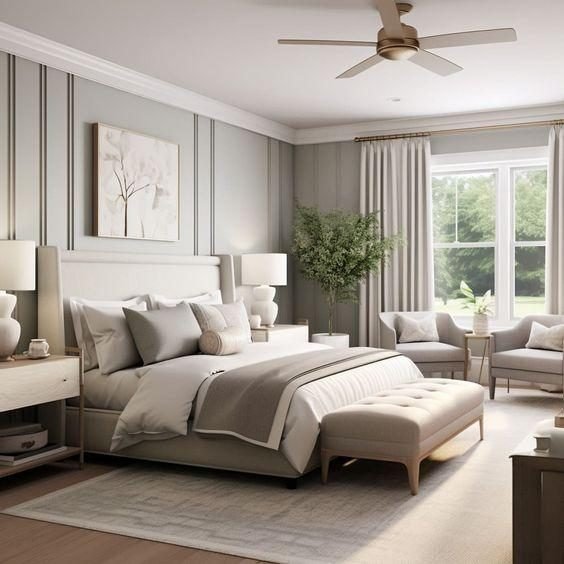
If space permits, adding a third zone, an area not dedicated to sleeping or storage, can lift the bedroom’s sense of luxury. A reading nook in a corner or a small bench at the foot of the bed provides a place to sit while putting on shoes or winding down before sleep.
This addition helps the bedroom feel like a multi-functional suite rather than just a place to sleep. However, avoid “the chair”, the infamous lone chair that ends up as a dumping ground for discarded clothing. If you add seating, commit to keeping it clear of clutter.
8. Vertical storage
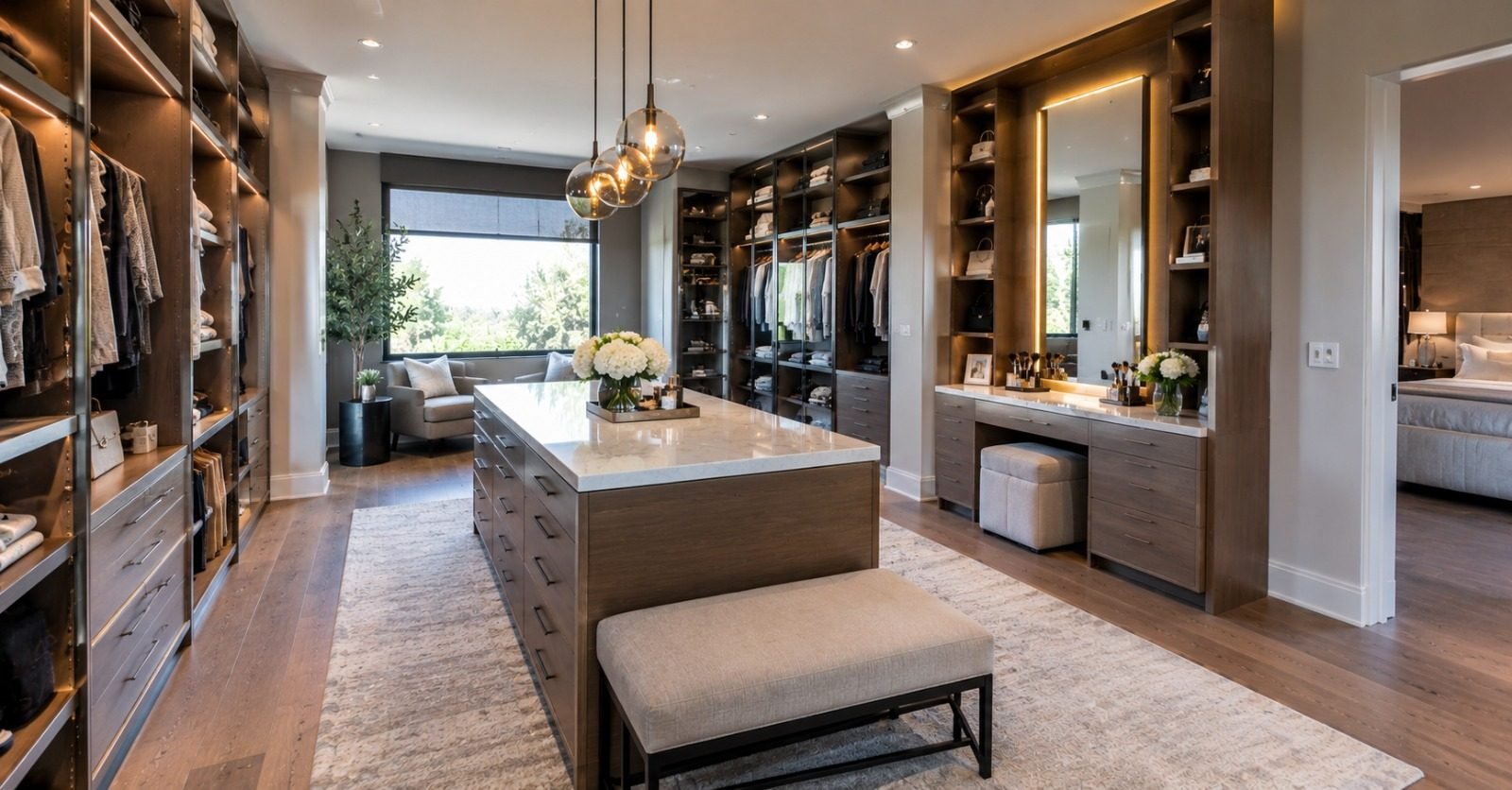
In smaller bedrooms, floor space is at a premium. Using vertical space is one of the most effective ways to keep the room organised. Floating shelves, wall-mounted sconces (instead of table lamps) and over-the-door organisers move items off the floor and up onto the walls.
Tall wardrobes that reach the ceiling provide considerably more storage and a more streamlined, high-end look than shorter freestanding units. Keeping more of the floor visible makes the room feel larger than its actual floor area.
9. Lighting layers
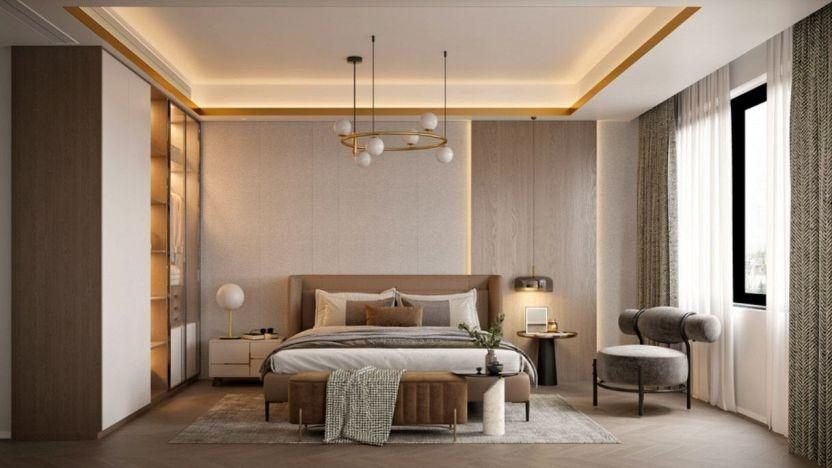
Furniture arrangement is incomplete without considering lighting. A single overhead light is often too harsh for a bedroom. Effective arrangements use three layers of light: ambient (general overhead), task (reading lamps) and accent (mood lighting or art lights).
Position your bedside lamps so that the bottom of the lampshade is roughly at eye level when you are sitting up in bed. This reduces glare and gives a comfortable amount of light for reading. Consider adding a dimmable floor lamp in a far corner to eliminate dark shadows and soften the room’s edges.
10. Electronic management
The final touch in a well-arranged bedroom is managing technology. Exposed wires and bulky extension leads can spoil the look of a carefully curated room. When choosing and placing furniture, look for pieces with built-in USB ports or cable management holes.
Position your bed and bedside tables near sockets, but use cord organisers or decorative boxes to hide the tangle. Many people find that keeping electronics out of sight makes the bedroom feel more restful, with fewer reminders of work and the outside world.
Bringing it all together
A well-arranged bedroom starts with the bed and builds outwards, with clear walkways, sensible storage and light that suits every hour of the day. Get the layout right first, and the colours, textiles and finishing touches have a calm, functional room to settle into.
For finishing touches, see our bed styling guide, or apply the same layout thinking downstairs with our living room furniture arrangement guide. Our bedroom decoration service can plan and style the whole room, or you can book a consultation.


