Mastering the Heart of the Home: A Comprehensive Guide to Kitchen Storage and Organisation
Practical kitchen storage and organisation ideas, from vertical shelving and drawer inserts to pantry zoning, pull-out cabinets, under-sink order, appliance stations and fridge logic.
By Admin Published 6 min read

A well-organised kitchen is the foundation of an efficient and stress-free home. Beyond the visual appeal of a tidy space, good storage makes meal preparation smoother, helps reduce food waste and creates a more inviting room for both cooking and socialising. As kitchens take on more roles, serving as workspaces, dining areas and places to experiment with food, the need for intelligent, space-saving systems keeps growing. This guide explores the strategies designers use to turn a kitchen into a model of functional design.
1. Vertical space
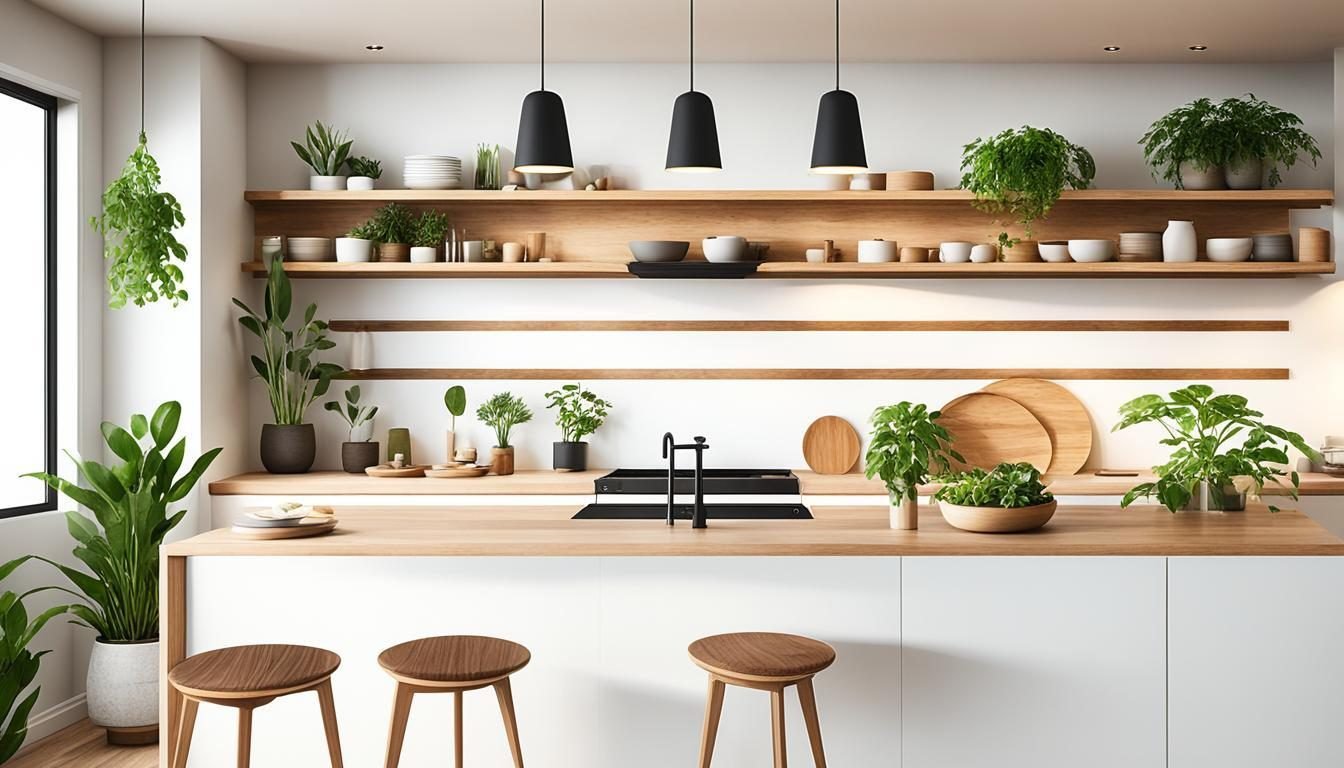
In many kitchens, the wall between the worktops and the ceiling is underused. Vertical storage is a key strategy for small kitchens or for anyone who wants to clear their work surfaces. Floating shelves do two jobs: they give easy access to frequently used items such as mugs and dinnerware, and they let you display decorative pieces that reflect your personal style.
For keen cooks, magnetic knife strips and wall-mounted pot racks make a real difference. They free up drawer and cupboard space and keep essential tools within arm’s reach. When planning vertical storage, follow the “frequency of use” rule: keep daily items at eye level and reserve the highest shelves for occasional equipment, such as a large roasting tin, a picnic set or the serving platters you only bring out for big gatherings.
2. Drawer inserts
The “junk drawer” is a common kitchen pitfall that modular inserts can easily prevent. Good kitchen organisation relies heavily on internal dividers to stop tools becoming a tangled mess. Custom-fitted wooden dividers give a seamless, high-end look, while adjustable plastic or bamboo versions offer flexibility as your collection grows.
Beyond cutlery, specialised inserts can transform how you work. Spice drawer inserts, which tilt jars at an angle, let you see every label at a glance instead of rummaging through a dark cupboard. Deep pan drawers can be fitted with peg systems that hold plates and bowls securely in place, so they don’t slide and chip as the drawer opens and closes.
3. Pantry zoning
Without a clear system, a pantry or larder cupboard quickly becomes a graveyard for out-of-date food. The most effective method is “zoning”: grouping items by category, such as baking, breakfast, snacks and tins. Everyone in the household then knows exactly where to find things and where to put them back.
Decanting dry goods into clear, airtight containers is a hallmark of a well-organised pantry. Airtight storage helps keep dry goods fresh once opened, and clear containers give you a visual inventory, so you can see when staples are running low. Keep the use-by date and any cooking instructions by cutting the label from the packet and taping it to the container. To make the most of deep shelves, use turntables (often called lazy Susans) for oils, vinegars and condiments so nothing gets lost in the back corners.
4. Cabinet efficiency
Standard cupboards often waste space above their contents and hide items at the back. Pull-out systems solve this by bringing the contents to you, so you don’t have to kneel on the floor to hunt for a missing lid. For “blind” corner units, a swing-out corner mechanism or a classic carousel can turn a dead zone into useful storage.
Another designer’s trick is to use the backs of cupboard doors. Slim racks can hold pot lids, kitchen foil or cleaning supplies; check the rack clears the shelves and hinges before fitting. Shelf risers let you stack plates or tins in two layers within a single shelf height, adding a lot of usable space without any building work.
5. Under-sink order
The space under the sink is notoriously hard to organise because of the pipework and, in some kitchens, a waste disposal unit. With the right tools, though, it can become a highly functional cleaning hub. A tension rod fitted across the width of the cupboard lets you hang spray bottles by their triggers, freeing the base for bins and boxes.
Stackable clear drawers are ideal for sponges, dishwasher tablets and scrubbing brushes. If there is room, a sliding caddy makes heavy bottles of detergent easy to lift out. Choose water-resistant materials such as plastic or stainless steel here, and consider a waterproof liner on the cupboard base, so any small leak is easy to spot and doesn’t damage the cabinet. If you have young children, fit a child safety latch to the door, as this is where cleaning products usually live.
6. Appliance stations
Small appliances such as mixers, blenders and coffee machines are essential but quickly take over valuable worktop space. A dedicated appliance station, often called an “appliance garage”, keeps them accessible but out of sight. These units usually have a lift-up, bi-fold or roller (tambour) door and built-in sockets.
Tip: If you plan to use appliances inside the garage, leave the door open while they are running and follow each manufacturer’s ventilation guidance; toasters and kettles in particular need clear space around them. Any new sockets should be fitted by a qualified electrician.
If a built-in station isn’t an option, consider heavy-duty sliding trays for appliances that live under the wall cabinets. You can pull the coffee machine or stand mixer forward when you need it and slide it back against the wall when you’re finished, keeping your main prep area clear.
7. Fridge logic
Fridge organisation is as much about food safety as it is about looks. The “first in, first out” (FIFO) method, where older items move to the front so they are used before newer ones, helps cut waste. Clear, stackable bins let you group similar items, such as a “breakfast bin” with eggs and yoghurt that can be carried to the table in one go.
Fridges vary, so check your fridge manual for its recommended layout. As a general guide, many people keep ready-to-eat foods and leftovers on the upper shelves and store raw meat and fish, covered, on the bottom shelf so nothing can drip onto other food. The door is usually the warmest part, so it suits condiments and jams better than milk or anything highly perishable. Finally, label leftovers with the date they were made, and follow official food safety guidance on how long to keep them.
8. Wall-mounted rails
For kitchens with limited drawer space, wall-mounted rail systems offer a flexible, slightly industrial solution. Rails can take a range of attachments, including hooks for utensils, baskets for produce and even small herb planters, turning the splashback into a working storage zone.
This approach is especially useful near the hob or range cooker. Hanging everyday tools such as tongs, ladles and oven gloves keeps them ready the moment you need them, but keep textiles and anything flammable well away from the flame or heat zone. Because rail systems are modular, they can be rearranged as your cooking habits change, which makes them a practical, long-lasting choice.
Conclusion
Organising a kitchen is a matter of intention. By thinking about how you move through the space and identifying the bottlenecks in your daily routine, you can put in place systems that work for you rather than against you. Whether it is fitting custom pull-outs or simply decanting pasta into glass jars, every step towards a more organised kitchen makes the room more pleasant and practical to use. A place for everything, and everything in its place, keeps the heart of the home a source of enjoyment and creativity.
For more ideas, read our small kitchen decorating ideas, our complete guide to kitchen decoration and our tips on storage ideas for small homes, or explore our kitchen decoration service. To plan a kitchen that works as hard as you do, book a consultation.


