Mastering the Heart of the Home: Avoiding Common Living Room Decorating Mistakes
Ten common living room decorating mistakes, from undersized rugs and single overhead lights to art hung too high, and the simple professional fixes for each.
By Admin Published 8 min read

The living room is arguably the most important space in any home. It is a multipurpose sanctuary where we host guests, unwind after a long day and spend quality time with family. Because it serves so many functions, designing it requires a delicate balance between aesthetics and utility. However, even the most well-intentioned homeowners often fall into common traps that can make a room feel cramped, uninviting or disjointed.
Creating a harmonious living space is less about following rigid rules and more about understanding scale, light and flow. By identifying and correcting frequent decorating blunders, you can transform a lacklustre room into a sophisticated retreat. Below is a guide to the most common living room decorating mistakes and how to fix them professionally.
1. Rug sizing
One of the most frequent errors in interior design is the “postage stamp” rug: a rug that is far too small for the space it occupies. A small rug floats in the middle of the room, making the entire area feel disconnected and smaller than it actually is. It fails to define the living room “zone”, leading to a fragmented visual experience.
The professional fix is to make sure that at least the front two legs of all the main seating pieces, sofas and chairs, rest on the rug. Ideally, for a truly luxurious feel, all the legs of the furniture should be on the rug. A larger rug anchors the room, creates a sense of unity and provides a soft boundary that draws the eye across the floor, making the room feel more expansive. Our living room rugs and curtains guide goes into sizing in more detail.
2. Lighting layers
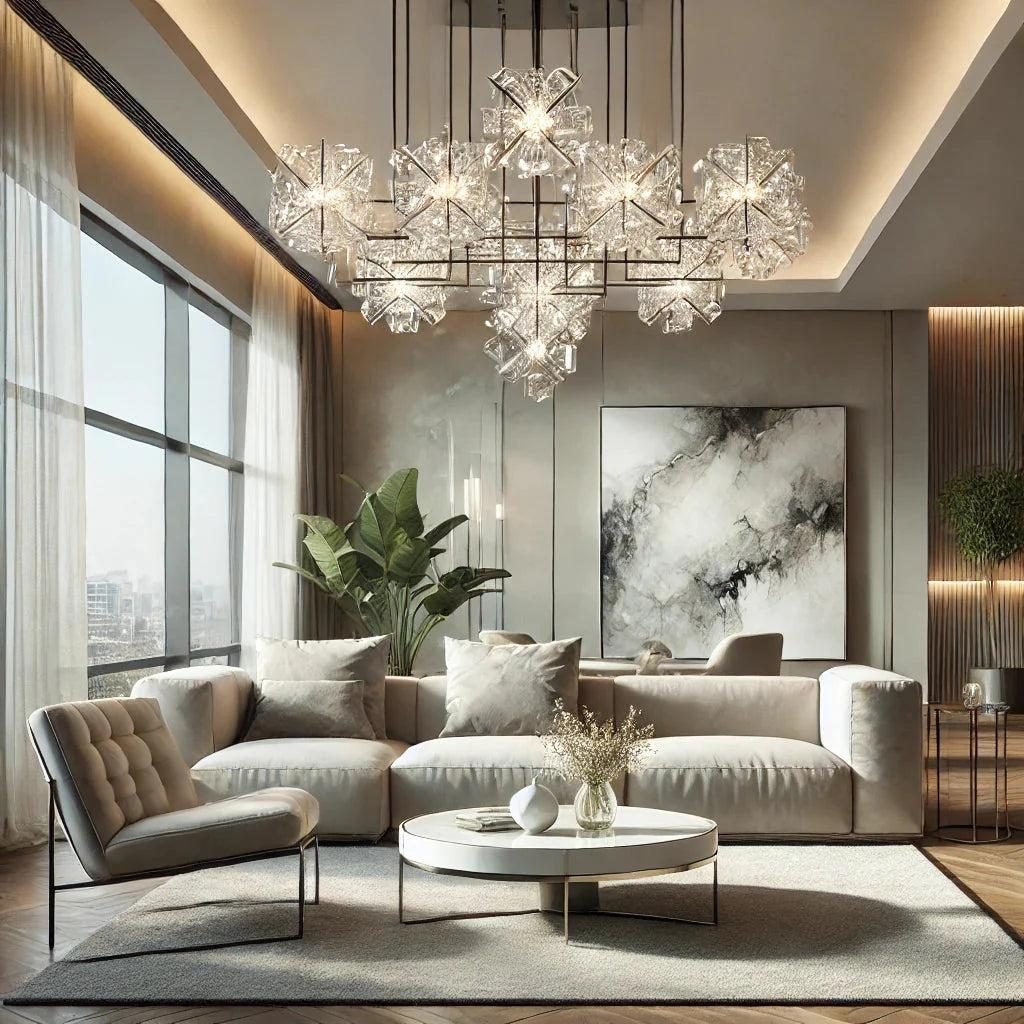
Relying solely on a single overhead light is a sure way to make a living room feel cold and clinical. Harsh top-down lighting creates shadows that are unflattering for both the people and the decor, and it lacks the warmth and depth a space meant for relaxation needs.
To solve this, designers use lighting layers. There are three types: ambient (general illumination), task (reading lamps) and accent (lighting that highlights art or architectural features). By adding floor lamps, table lamps and perhaps wall sconces, you can control the mood of the room. Warm-toned bulbs are essential for an inviting atmosphere that moves smoothly from afternoon sunlight to cosy evenings. See our living room lighting ideas for more.
3. Furniture placement
“Wall-hugger” syndrome is the tendency to push every piece of furniture against the edges of the room. People often do this thinking it creates more open floor space, but it actually does the opposite. It leaves a hollow, awkward void in the centre of the room and makes conversation difficult, as people end up talking across a wide expanse.
Professional decorators advocate “floating” furniture. Pulling the sofa a little way, or even a metre or so, away from the wall creates a more intimate and sophisticated layout. It also improves traffic flow and lets the room breathe. In an open-plan space, using the back of a sofa to define the living area helps separate it from the dining or kitchen zones without the need for walls.
4. Art height
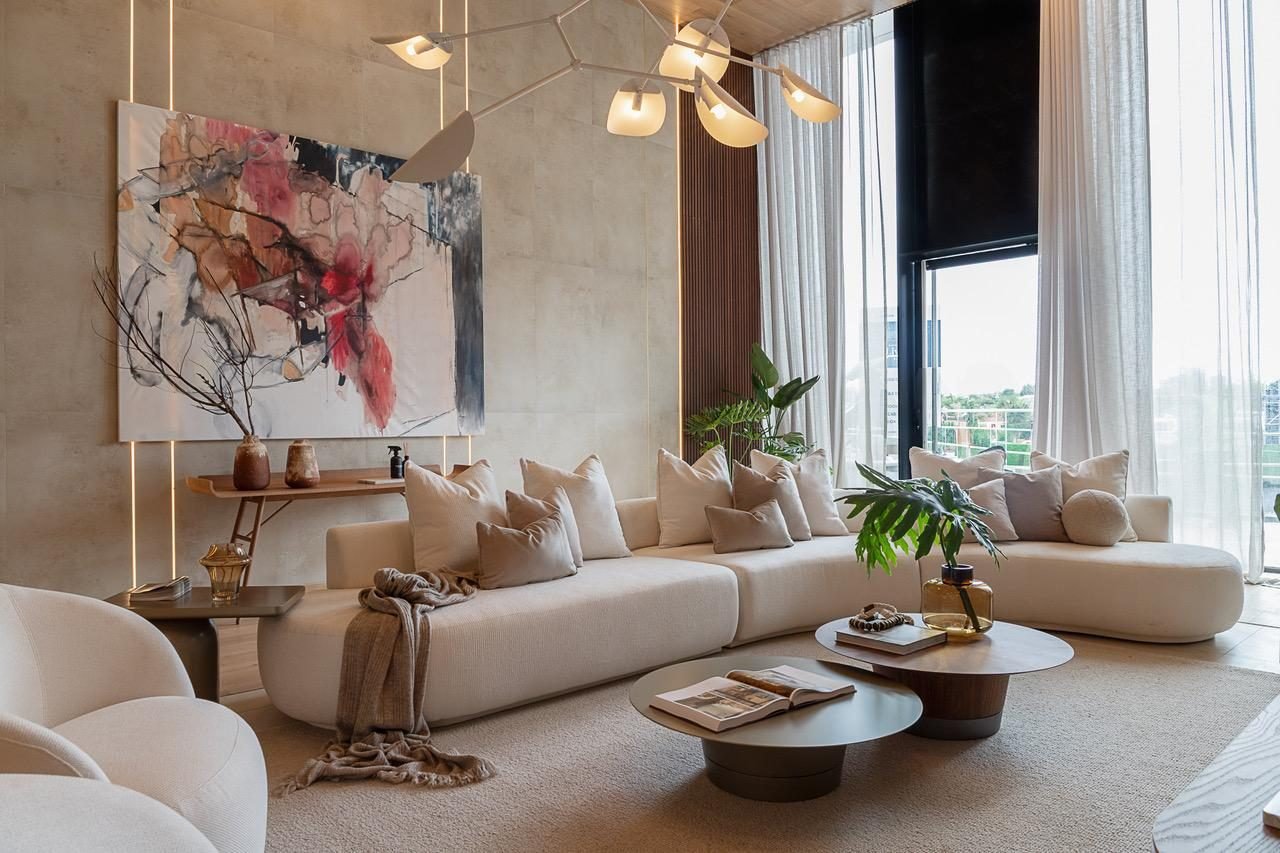
Hanging artwork too high is a mistake that can disrupt the whole vertical balance of a room. When art sits too close to the ceiling, it feels disconnected from the furniture below and forces the viewer to strain their neck. It creates a sense of floating decor that lacks a foundation.
The golden rule for art is to hang it at eye level. For most people, this means the centre of the piece should be around 145 to 150 cm (57 to 60 inches) from the floor. When hanging art above furniture such as a sofa or sideboard, the bottom of the frame should be about 15 to 20 cm (6 to 8 inches) above the top of the furniture. This makes the art and the furniture feel like a single, cohesive unit.
5. Curtain placement
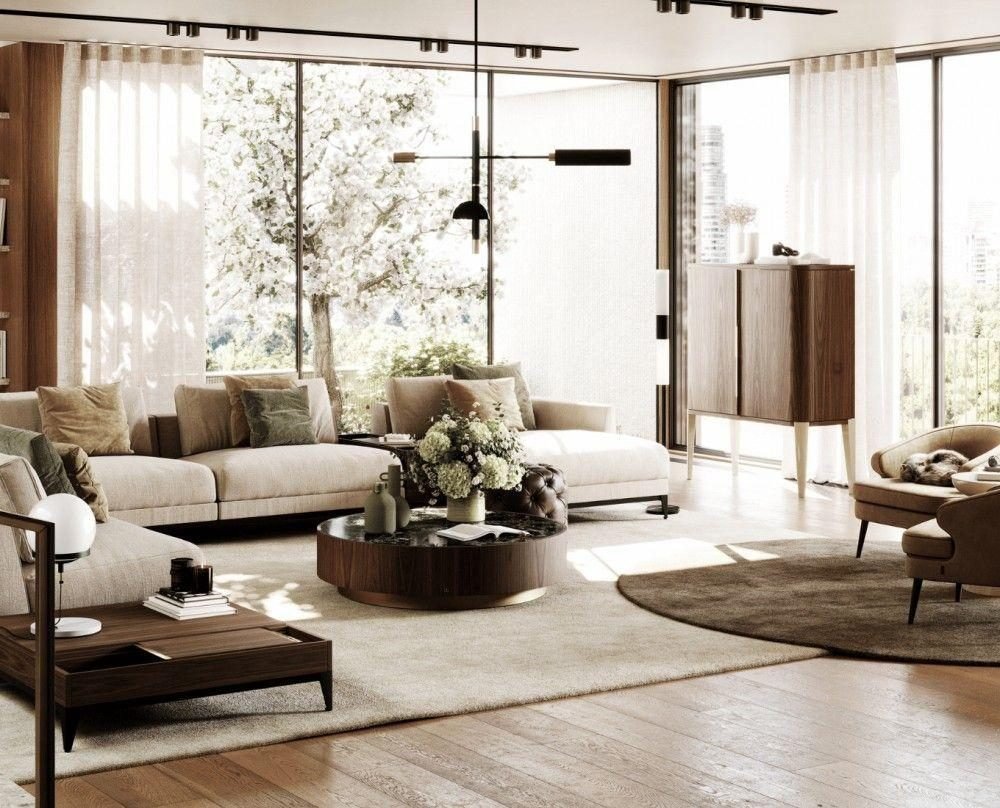
Window treatments are often an afterthought, but they play a big role in the perceived height and width of a room. Many homeowners hang curtain poles exactly at the top of the window frame and choose curtains that end just below the sill. This “cuts” the wall in half and makes the windows look small and stunted.
For an expensive, airy look, hang your curtain poles “high and wide”. Mounting the pole 10 to 15 cm (4 to 6 inches) above the window frame, or even up at the ceiling, draws the eye upward and makes the ceiling feel higher. Extending the pole beyond the width of the window lets the curtains frame the glass without blocking the light, so the window itself appears much larger. Our guide on how to choose curtains for your living room covers fabrics and lengths.
6. Scale and proportion
Scale is the relationship between the size of an object and the space it occupies. A common mistake is choosing furniture that is either too bulky for a small room or too spindly for a large, high-ceilinged one. An oversized sectional in a tiny apartment can make the room feel like a storage unit, while a small coffee table in a large room looks lost and insignificant.
Before buying furniture, measure not just the floor space but the vertical space as well. Aim for a mix of heights and weights. If you have a low, heavy sofa, pair it with a more delicate, leggy side table to balance the visual weight.
Tip: Use painter’s tape on the floor to map out the footprint of new furniture before buying, so you can check that the proportions and walkways feel comfortable.
7. Personalisation
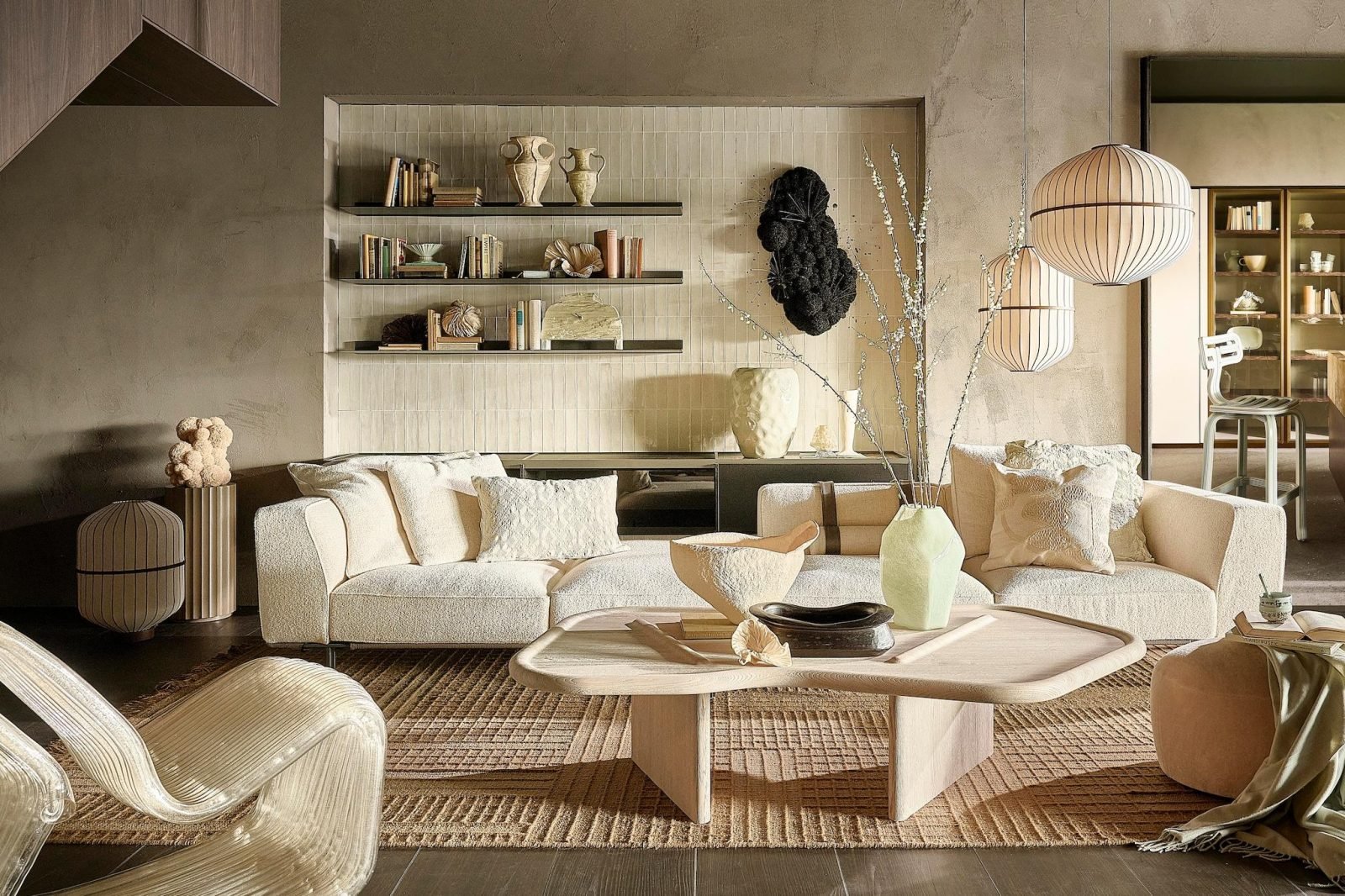
There is a fine line between a catalogue-perfect room and a home. One of the biggest mistakes is failing to bring personality into the space, resulting in a room that feels staged or soulless. Often people buy entire matching furniture sets, with the sofa, loveseat and armchair all in the same fabric. While this is easy, it lacks character and depth.
The most beautiful living rooms feel curated over time. Mix and match different styles, perhaps a modern sofa with a vintage coffee table, or a contemporary rug with traditional art. Include items that tell a story: travel souvenirs, family heirlooms or a collection of your favourite books. This lived-in quality is what makes a room feel truly high-end and welcoming.
8. Traffic flow
A living room must be functional. A common decorating mistake is blocking the natural pathways of the room with furniture. If you have to squeeze past a coffee table or dodge an armchair to get to the next room, the layout needs rethinking.
A professional layout follows the path of least resistance. Main walkways should be at least 75 to 90 cm (30 to 36 inches) wide. Keep entrances clear and make sure there is a logical route from the door to the seating area. Many people find that a room which is cluttered or awkward to move through never feels quite relaxing. Our living room furniture arrangement guide has more layout advice.
9. Colour balance
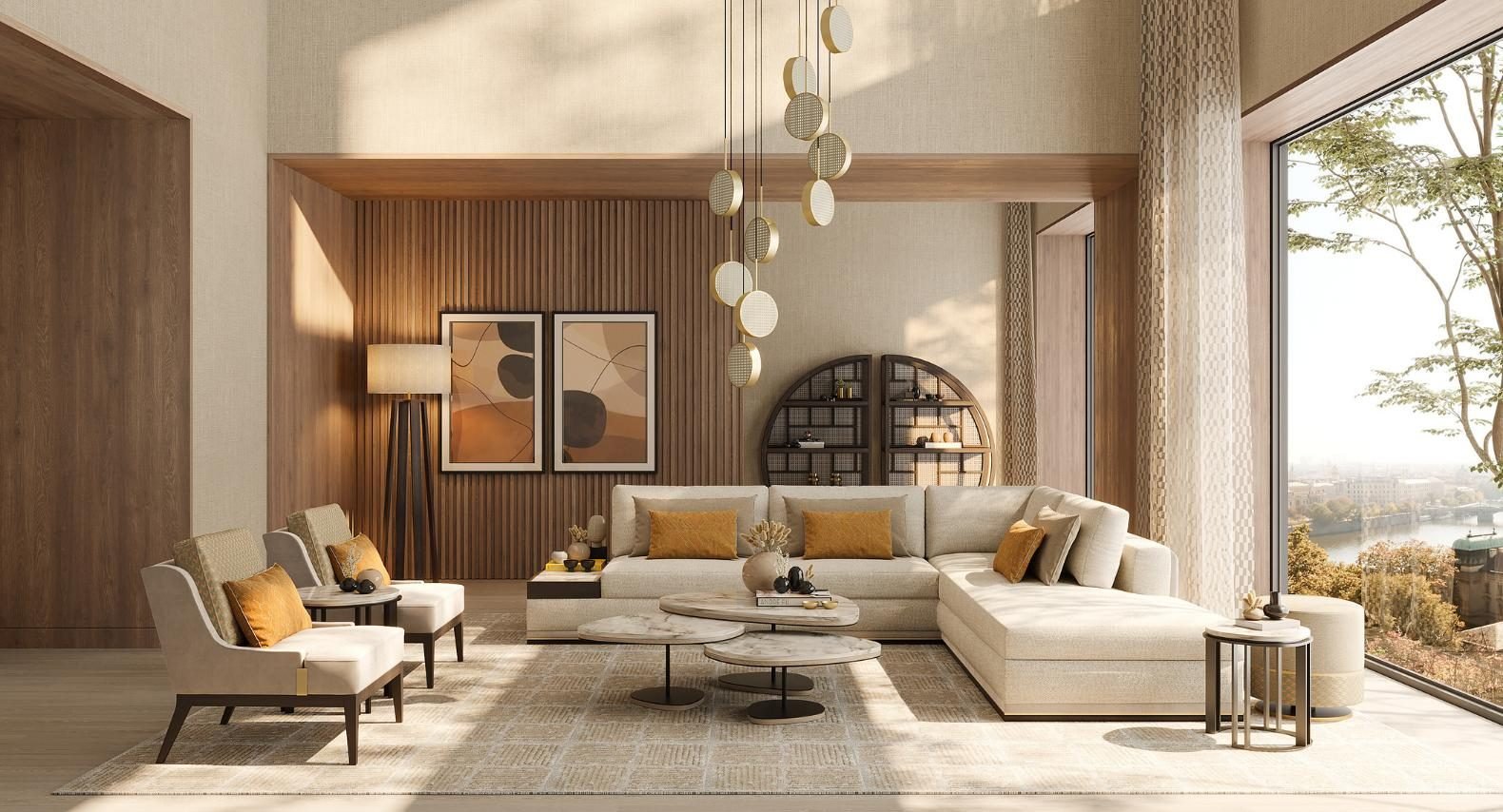
Neutral rooms are popular for their timeless appeal, but a common mistake is either using too much of one colour, which makes the room look flat, or too many competing colours, which makes it look chaotic. A room that is entirely beige can feel dull and washed out, while one with five different bright colours can feel overwhelming.
The 60-30-10 rule is a reliable guide to colour balance. Around 60 percent of the room should be a dominant colour (usually the walls and large furniture), 30 percent a secondary colour (upholstery or rugs) and 10 percent an accent colour (cushions, art and accessories). This creates a visual hierarchy that is pleasing to the eye and helps the room feel cohesive. For palette ideas, see our living room colour scheme guide.
10. Texture mixing
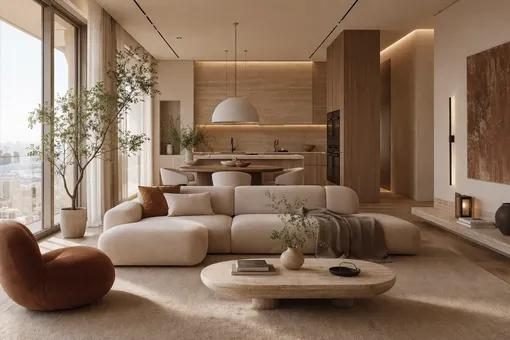
Even if your colour palette is perfect, a room can still feel “off” if everything has the same texture. If every surface is smooth and shiny, the room feels cold. If everything is plush and fuzzy, it can feel heavy. A lack of textural contrast is a common mistake that robs a room of visual interest.
Texture is the secret ingredient of interior design. Aim to mix materials: pair a sleek leather sofa with a chunky knit wool throw, or place a cool marble coffee table on a soft, high-pile rug. Add a touch of organic warmth with wooden elements or indoor plants. These contrasts create tactile interest, which makes the room feel rich, layered and sophisticated.
Conclusion
Decorating a living room is an evolving process. By avoiding these common pitfalls, such as the wrong rug size, poor lighting and stagnant furniture layouts, you create a foundation that is both beautiful and functional. A great room is not built in a day; it is the result of thoughtful choices, a keen eye for scale and a willingness to let your personal style shine through the “rules” of design. Focus on balance, comfort and flow, and your living room will become the sanctuary it was meant to be.
For more inspiration, read our modern living room decorating ideas and small living room decorating ideas. Our living room decoration service can help you get the details right, or you can book a consultation.


