The Ultimate Guide to Non-Toxic Decor for Cats: Creating a Safe and Stylish Sanctuary
How to create a safe, stylish home for your cat: cat-safe plants, natural textiles, solid wood, low-VOC finishes, sisal scratching zones, flooring, ceramics and safer lighting.
By Admin Published 7 min read

For the modern pet owner, the home is more than a living space; it is a shared environment. Cats, with their curious natures and constant grooming, come into close contact with the materials, chemicals and objects we bring indoors. Designing a cat-friendly interior goes beyond buying a scratching post: it means thinking about houseplants, textiles, furniture, finishes and the small objects within paw’s reach. This guide explores how to curate a sophisticated home that puts your cat’s safety first without sacrificing style.
This is a design guide, not veterinary advice. If you think your cat has eaten or touched something harmful, contact your vet straight away.
1. Living green
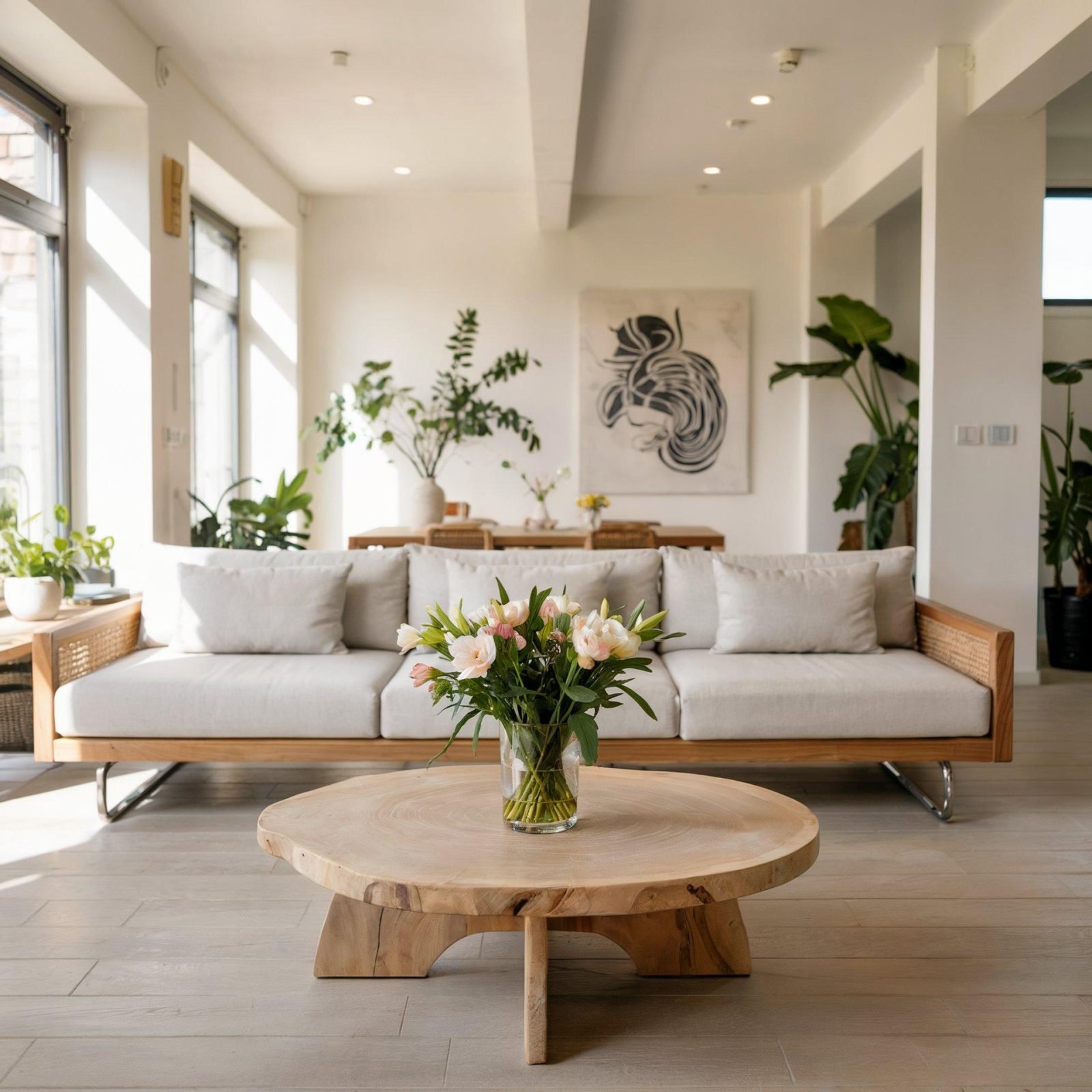
The most common hazard in home decor is toxic greenery. Many popular plants are harmful to cats. True lilies and daylilies (Lilium and Hemerocallis) are especially dangerous: every part, including the pollen and the water in the vase, can cause kidney failure, so they are best kept out of the home entirely. Sago palms are also seriously toxic, while plants such as pothos, dieffenbachia and peace lilies contain calcium oxalate crystals that irritate the mouth and stomach.
For a safer indoor garden, choose plants listed as non-toxic to cats on the ASPCA’s toxic and non-toxic plant lists (there is no official “cat-safe” certification, so check the botanical name). The spider plant (Chlorophytum comosum) is a classic choice, with bouncy leaves cats love to bat. Boston ferns offer a lush, Victorian look. For height and drama, the money tree (Pachira aquatica) or areca palm (Dypsis lutescens) are good alternatives to the fiddle-leaf fig, which is listed as toxic. Even non-toxic plants can upset a cat’s stomach if eaten in quantity, so keep an eye on enthusiastic chewers. Use pet-safe compost and fertilisers, and avoid systemic pesticides, as cats may dig or nibble near the base of the plant.
2. Natural textiles
Rugs, curtains and upholstery are the surfaces where cats nap, knead and groom. Some synthetic textiles are treated with stain-repellent or other chemical finishes, and what settles on a cat’s fur can be swallowed during grooming.
Choosing natural fibres is a simple way to reduce those finishes. Organic cotton, linen and hemp are breathable and durable. For floor coverings, wool is an excellent choice: it is resilient and naturally more flame-resistant than many synthetics. When selecting rugs, look for natural jute or latex backings rather than heavy synthetic adhesives, and air new rugs well before use, as some can give off volatile organic compounds (VOCs) at first.
3. Solid wood
Much affordable furniture is made from medium-density fibreboard (MDF) or chipboard. These engineered boards are bonded with resins, some of which can release formaldehyde, particularly when new.
Choosing solid wood furniture, such as oak, walnut or maple, or bamboo, avoids most of those adhesives, and it is usually more durable too. If you do buy engineered-wood pieces, look for low-emission boards and independent low-emission certifications, and let new furniture air in a well-ventilated room before your cat settles on it.
4. Safe finishes
The “new home smell” many people enjoy is often the scent of fresh paint, varnish or furniture finishes. Conventional paints and stains release VOCs as they dry, and some continue to do so for a while afterwards. Cats explore the world largely by scent and spend much of their time close to floors and walls.
When refreshing your decor, choose low- or zero-VOC paints, or milk and clay paints made from ingredients such as milk protein, lime and earth pigments. For wooden furniture or floors, consider finishes based on linseed oil, tung oil or beeswax, following the manufacturer’s curing times. Whatever you use, keep your cat out of the room while you paint and until surfaces are fully dry, and ventilate well.
5. Sisal accents
Scratching is a natural need for cats: it helps them shed the outer layer of their claws, stretch and mark territory. Many scratching posts are covered in synthetic carpet. Bringing sisal, jute or seagrass into your decor gives your cat a functional outlet with a natural finish.
Sisal is a stiff, hard-wearing fibre made from the agave plant. Look for wall-mounted sisal pads or climbing trees made from real branches and natural rope. These pieces add a rustic, organic texture to your interior while giving your cat somewhere better to scratch than the sofa.
Tip: Place a tall, stable scratching post next to the sofa arm your cat already targets. Cats tend to keep to a favourite spot, so redirecting is easier than retraining.
6. Non-toxic flooring
Flooring is one of the most important surfaces in a pet-friendly home. Some vinyl flooring has historically contained phthalate plasticisers, and some laminates use formaldehyde-based resins, so look for products labelled phthalate-free and low-emission. Cork and bamboo are popular natural alternatives.
Cork is water-resistant and gives a softer landing for jumping cats, which older cats may appreciate. If you prefer a harder surface, real stone or ceramic tile, laid with a low-VOC grout and adhesive, is a durable, easy-clean choice. Hard floors don’t trap dander the way deep carpets can, and they clean easily with mild, pet-safe products.
7. Ceramic accents
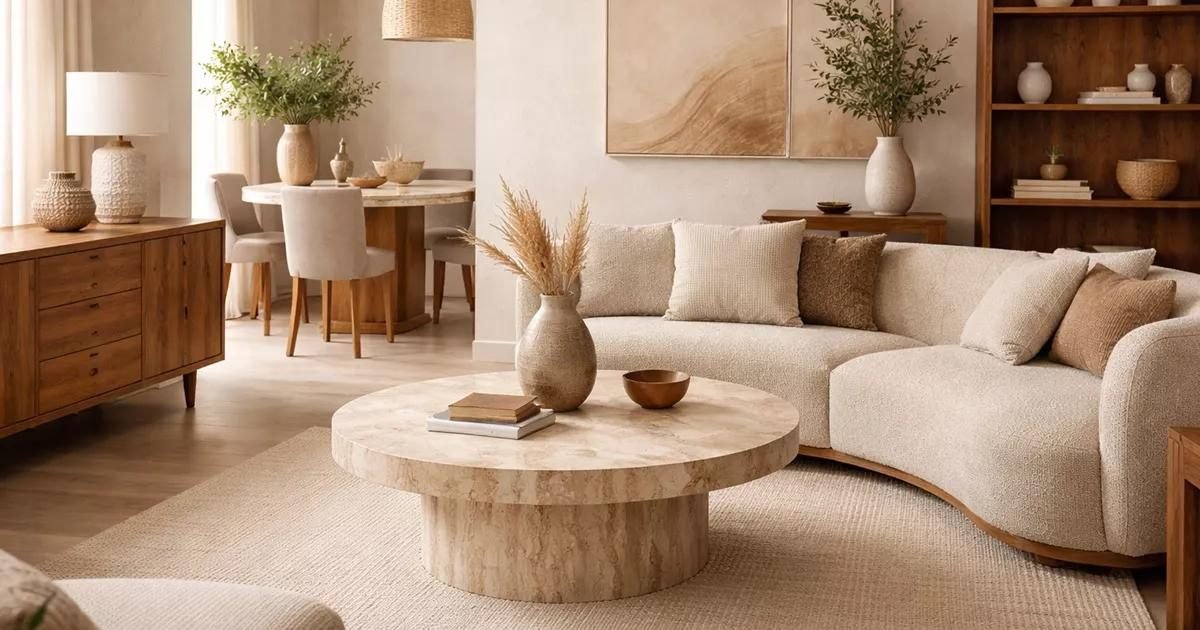
Small decorative objects and feeding stations are easy to overlook. Plastic bowls scratch over time, and those scratches can harbour bacteria. Some ceramics, particularly older or decorative pieces, may have glazes containing lead or cadmium.
For food and water dishes, choose ceramics labelled food-safe and lead-free, glass or stainless steel. Artisan pottery with food-safe glazes adds a handcrafted feel while keeping your cat’s bowls safe. Glass vases and bowls work well too, as long as they are heavy enough not to be tipped over by a playful paw.
8. Safe lighting
Lighting creates atmosphere, but it also brings two risks: heat and electricity. Cats are drawn to warm lamps and dangling cables. Traditional incandescent and halogen bulbs can get hot enough to singe fur if a cat brushes against them.
LED bulbs run much cooler, making them a safer choice. Protect cables from chewers with cord protectors or braided sleeves, and route them behind furniture where possible. Choose lamps with heavy, stable bases, and consider wall lights or ceiling fittings, installed by a qualified electrician, to keep electrical parts out of reach altogether.
Final thoughts
Creating a safer home for your cat is an investment in their wellbeing and your peace of mind. By focusing on cat-safe plants, natural materials such as solid wood and organic fibres, and careful choices around finishes, cables and breakables, you remove many hidden hazards. A cat-friendly home doesn’t have to look like a playground: with thoughtful, high-quality materials you can achieve a sophisticated interior that works for every member of the household, whether they have two legs or four.
Frequently asked questions
How can I tell if my furniture is off-gassing?
A strong “chemical” or “new” smell is the most common sign, although not every compound has an odour. New pieces made from MDF or chipboard, or with a heavy factory smell, are the most likely culprits. Ventilate the room well, and an air purifier with HEPA and activated carbon filters can help.
Are essential oil diffusers safe around cats?
Be very cautious. Cats are particularly sensitive to many essential oils, including tea tree, peppermint, eucalyptus and citrus oils, whether inhaled, licked or absorbed through the skin. The safest approach is not to use diffusers or reed diffusers where your cat spends time, and to ask your vet before using any.
What is the safest way to clean non-toxic decor?
Avoid bleach, ammonia and heavily fragranced products, and rinse surfaces after using any cleaner. Diluted white vinegar and bicarbonate of soda handle most everyday jobs. For upholstery, a steam cleaner using only water can lift stains without leaving residues; check the fabric’s care label first.
Can I use any type of wood for DIY cat furniture?
Not all woods are equally suitable. Many makers avoid aromatic softwoods such as cedar, whose oils can irritate, and choose untreated hardwoods such as oak, maple or birch, or kiln-dried timber. Avoid treated or painted reclaimed wood unless you know what it was finished with.
Is “natural” always safe for cats?
No. Lilies are entirely natural but can be fatal to cats. Always check specific plants and materials against a trusted veterinary source, such as the ASPCA toxic plant list, before bringing them home. “Natural” is a starting point; “safe for cats” is the goal.
For more on choosing pet-proof furniture, read our guide to scratch-resistant sofa fabrics, and for family-friendly living rooms see toddler-proof coffee table alternatives. Explore our home accessories styling service, or book a consultation to plan a home that suits everyone.


