Mastering the Chill: Decorating for High-Heat Climates Without Air Conditioning
How to keep a home cooler without air conditioning: linen textiles, stone floors, bamboo blinds, light colours, rattan furniture, clear layouts, ceiling fans and shaded verandas.
By Admin Published 9 min read

In the sweltering heat of the tropics or the dry intensity of the desert, a home can quickly turn from a sanctuary into a kiln. Air conditioning offers a quick fix, but it comes with environmental and financial costs. Historically, people thrived in these climates by using architectural ingenuity and strategic interior design to manage temperature. Decorating for a hot climate without AC is an art that balances thermodynamics with aesthetics: it is about creating a “visual cool” while working with airflow, moisture and light to keep indoor temperatures down.
To live comfortably without a thermostat, embrace the principles of passive cooling. That means choosing materials that don’t trap heat, layouts that encourage the “chimney effect” for air circulation, and a colour palette that reflects rather than absorbs the sun’s rays. Here is a practical guide to turning your home into a breezy, heat-defying retreat. If your summers are humid as well as hot, read it alongside our guide to decor for humid and hot homes, which covers damp and mould.
1. Linen textiles
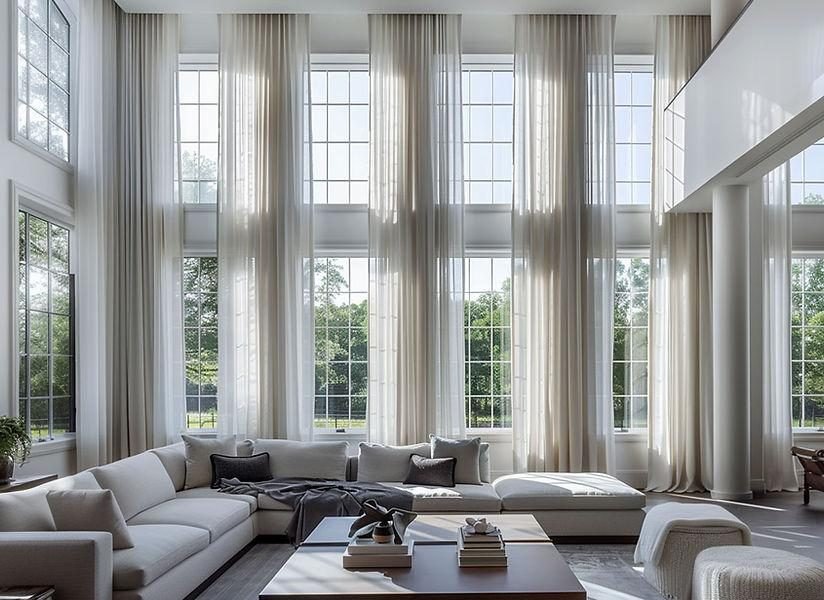
The first rule of heat-management decor is to cut back on synthetic fibres. Polyester, nylon and heavy velvets can act as insulators, trapping body heat and moisture against your skin. In a home without AC, linen is king. Made from the flax plant, linen absorbs moisture well and dries quickly, so it rarely feels clammy.
Its loose weave lets air pass through the fabric easily. Replace heavy drapes with sheer linen panels that billow in the wind, and swap leather or microfibre sofa covers for linen slipcovers. Linen feels cooler against the skin, and its textured, relaxed look evokes a Mediterranean coastal mood that can make a room simply feel fresher.
2. Stone surfaces
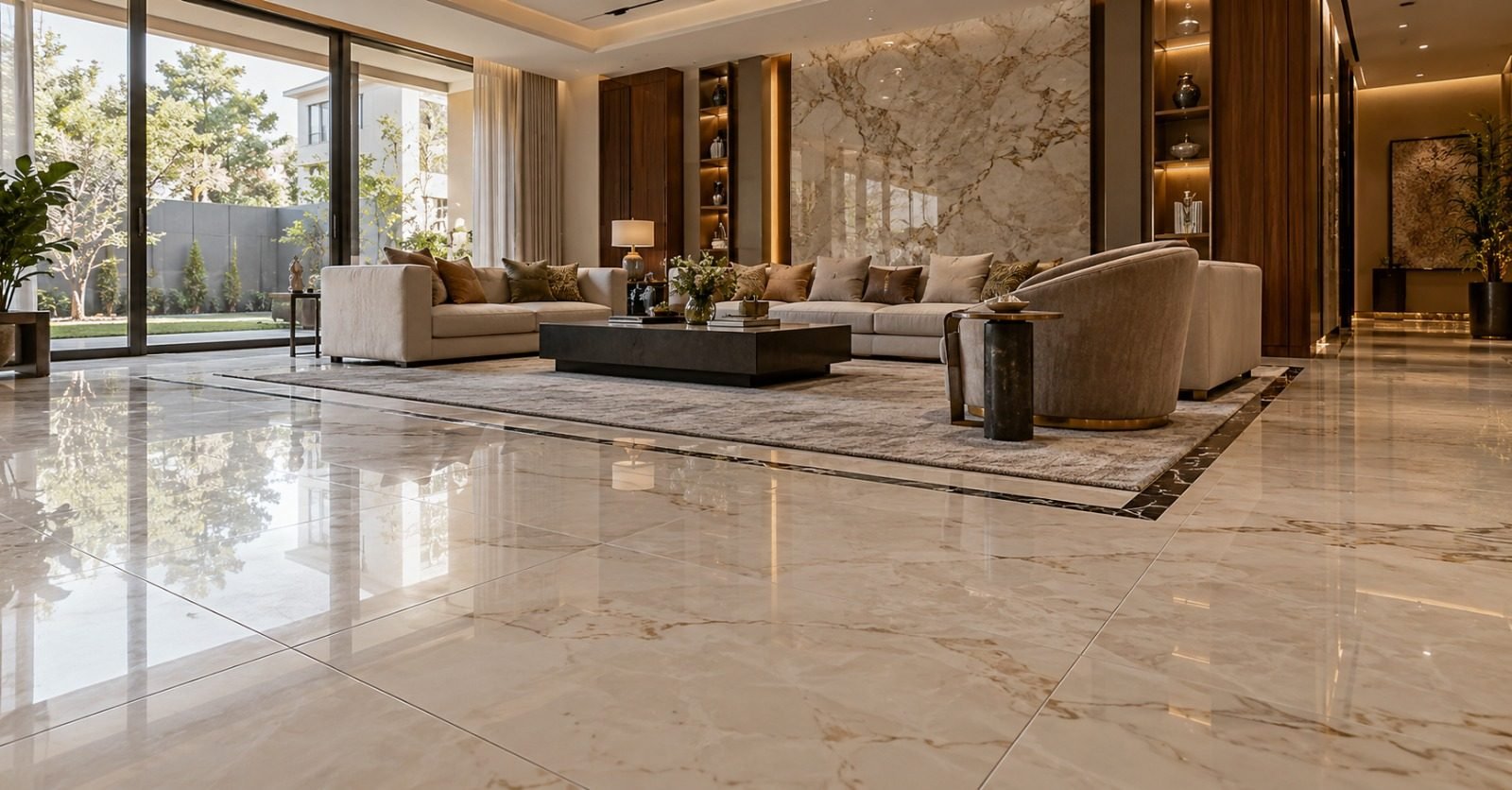
In hot climates, the floor is your best friend. Carpets and thick rugs are essentially blankets for your house, holding warmth and stopping the floor from helping to cool the room. Instead, lean into hard, “cold” surfaces. Materials such as marble, granite, terracotta and polished concrete have high thermal mass: they take a long time to heat up and can absorb warmth from the air, staying cool to the touch even in the afternoon.
If you are renovating, consider unglazed terracotta tiles for a rustic, natural floor. If you are decorating an existing space, keep floors as bare as possible. Walking barefoot on a cool stone floor brings instant relief, as the soles of the feet are a good area for losing heat.
3. Bamboo blinds
Window management is perhaps the most important factor in a home without AC. You want to block the sun’s radiant heat while letting the breeze through. Heavy blackout curtains stop the light, but they also kill the breeze and can trap a pocket of hot air between the glass and the fabric.
Bamboo or matchstick blinds are a perfect alternative. These natural shades give dappled light and noticeably reduce the greenhouse effect inside a room. Because they are made of individual slats, air can still circulate through the window. For the best results, hang them on the outside of the window frame to stop the heat before it reaches the glass, checking your tenancy agreement or building rules first if you rent or live in a flat. For more on choosing window dressings, see our guide on how to choose curtains for your living room.
4. Cool tones
Colour plays a big role in how we experience temperature. Dark colours, such as black, navy and deep red, absorb more of the sun’s energy than light ones and turn it into heat, while light colours reflect it. To keep a house cool, white is the ultimate choice, especially on sun-facing walls and roofs.
“Coolness” is also a matter of perception. A palette of “receding” colours, such as soft blues, mint greens and pale greys, can make a room feel more spacious and airy. Go easy on “advancing” colours such as orange and yellow, which can make a space feel close and warm. Paint the walls a crisp matte white and add cool-toned accents to create a setting that recalls forest shade or sea spray.
5. Indoor greenery
Plants release moisture from their leaves through transpiration. In dry heat, a cluster of large potted plants or a living wall can add a little evaporative cooling, but the main benefit is a sense of freshness rather than a measurable drop in temperature. In a humid climate, extra plants simply add moisture to air that already has plenty, so keep them few and well spaced (our humid and hot homes guide explains why).
Leafy species with large surface areas suit this role. Many popular choices, including the peace lily, monstera and fiddle-leaf fig, are toxic to cats and dogs, so if you have pets choose plants commonly listed as non-toxic, such as the areca palm and ferns like the Boston fern, and check the botanical name against the ASPCA’s plant list. Our guide to non-toxic decor for cats has more ideas. Placing plants near windows or in the path of a breeze makes the most of them, and the sight of lush greenery offers a welcome break from a parched landscape during a heatwave.
6. Rattan weaves
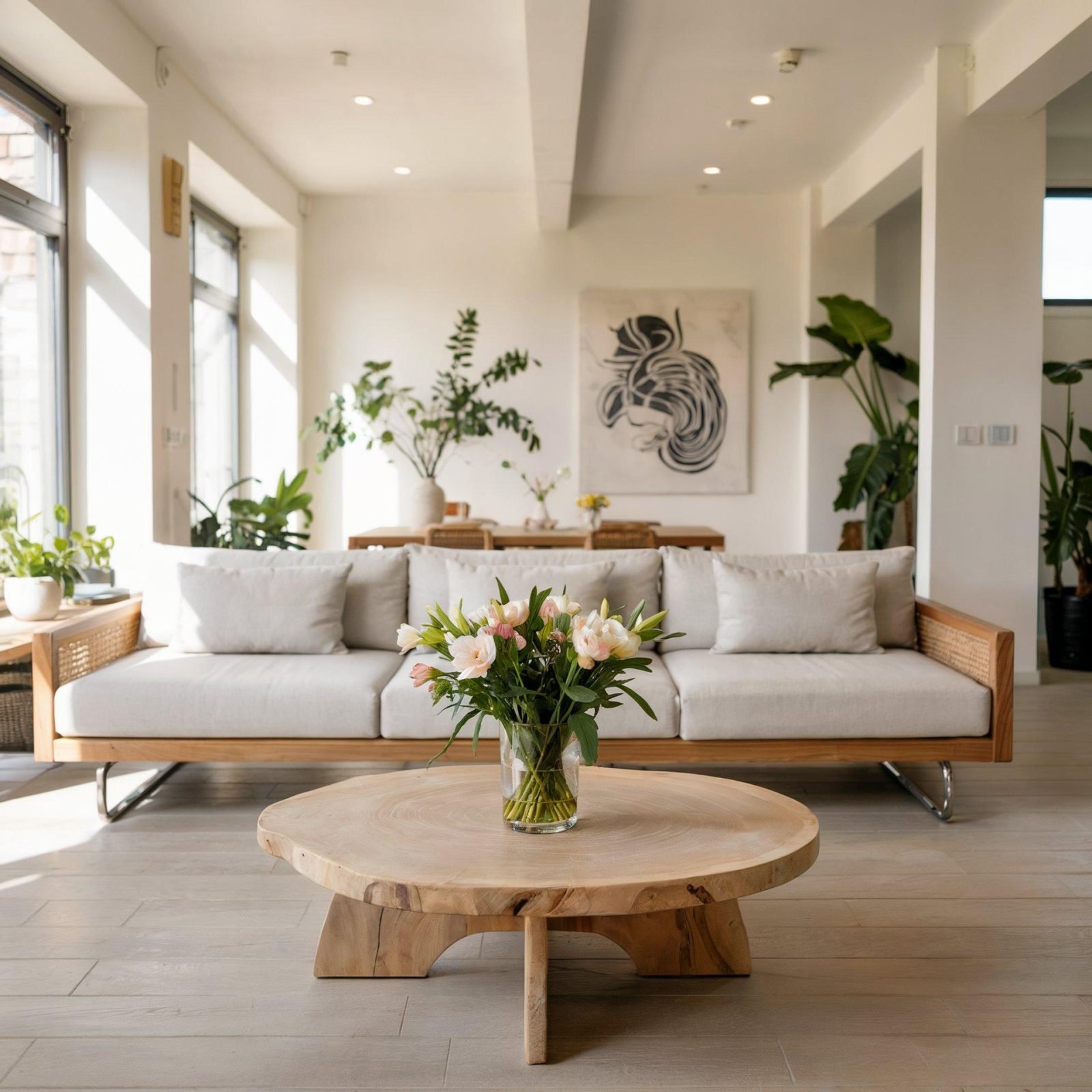
When choosing furniture for a hot climate, avoid solid, heavy pieces. A solid-backed wooden chair or a deep, plush armchair stops air reaching your back, leading to the dreaded sweaty back. Rattan, wicker and cane furniture has long been a staple of tropical living.
The open weave of these materials allows air to move all around you, so a breeze can pass through a cane chair and cool your skin directly. These materials are also lightweight and don’t hold on to heat the way metal can. Woven furniture adds a light, organic feel to a room that complements a slow-living summer lifestyle.
7. Sparse layouts
Clutter is the enemy of airflow. Stacks of books, bulky furniture and rows of decorative objects all get in the way of the breeze, and a crowded room feels claustrophobic, which adds to the discomfort of a heatwave.
Embrace minimalism. Keep the centre of each room clear so air can move freely from one side of the house to the other. High ceilings are a classic feature of hot-climate architecture because warm air rises; if you have them, don’t lower them with hanging decorations or false ceilings. Keeping the vertical space clear helps the hottest air stay well above your head.
8. Water accents
Evaporative cooling is an ancient technique, used from the Alhambra in Spain to the courtyards of India. A water feature can give a little physical cooling in dry heat, while the sound of trickling water feels soothing.
A small indoor fountain placed in the path of an incoming breeze can add moisture and slightly cool the air as it enters, but this only suits dry heat: in a humid climate, it adds dampness you don’t want. Keep electrical safety in mind with any powered water feature: use products designed for indoor use, keep cables and plugs away from water, and follow the manufacturer’s instructions. Even a large ceramic bowl of water with floating petals adds a cool, calm note. In extreme heat, placing a bowl of ice or cold water in front of a fan is a handy trick that works like a DIY swamp cooler, blowing slightly chilled air into the room.
9. Wooden fans
Without AC, the fan becomes an essential decor element. Not all fans are equal: large, wide-blade ceiling fans move more air at lower speeds, creating a steady wind-chill effect without the noisy turbulence of small desk fans.
Choose fans made of natural materials such as wood or palm leaf so they blend into your decor, and have ceiling fans installed by a qualified electrician. Placement is key: centre them over seating areas or beds. Remember that fans cool people, not rooms, by speeding up the evaporation of sweat from your skin. They don’t lower the air temperature, so turn the fan off when you leave the room to save energy.
Tip: Many ceiling fans have a direction switch. In summer, set the blades to push air downwards so you feel the breeze where you sit.
10. Outdoor verandas
In many hot climates, the best way to decorate the inside is to move it outside. A transition zone, such as a veranda, porch or courtyard, shields the inner walls of the house from direct sun. Furnish these areas with comfortable, weather-resistant loungers and hanging daybeds.
A shaded outdoor living room helps the house to “breathe”. In the early morning and late evening, these spaces become the main social hubs, while the interior sheds its heat. Use trellises with climbing plants such as jasmine or bougainvillea to create living shade, which feels much cooler than the shade under a tin or plastic roof. Short on space? Our small balcony decorating ideas show how to make a compact outdoor room work.
Final thoughts
A cool home without air conditioning comes down to a few simple principles: keep the sun off the glass, let the breeze move freely, and choose materials that breathe or stay cool. Linen, stone, bamboo, rattan, light colours and well-placed fans all work together, and none of them requires sacrificing style. Match your choices to your climate, too: what helps in dry heat, such as water features and lots of plants, can work against you where the air is already humid.
Frequently asked questions
What is the best type of rug for a hot climate?
If you want a rug, choose natural plant fibres such as jute, sisal or seagrass. They are breathable, don’t hold heat the way thick pile does, and feel much cooler underfoot than wool or synthetic shag rugs. They also add an earthy texture that suits a relaxed, warm-climate look.
Does the type of light bulb I use affect the heat in my house?
Yes. Traditional incandescent bulbs give off most of their energy as heat rather than light. Switch to LEDs, which run much cooler and stop your lamps from becoming miniature heaters.
Should I keep my windows closed or open during the day?
It depends on the outside temperature. If it is hotter outside than inside, keep windows, shutters and blinds closed to hold the cooler night air in. Once the sun goes down and the outside air cools, open everything up to create cross-ventilation and flush out the built-up heat.
Can mirrors help cool a room?
Mirrors won’t lower the temperature, but they add to the visual cool. By reflecting light and views of greenery or water, they make a room feel larger and less stifling. Make sure they don’t bounce direct sunlight onto a dark surface, which could create a local hot spot.
What is the best bedding for sleeping without AC?
Beyond linen sheets, look at cotton percale. Percale is a crisp, cool weave that feels like a good hotel sheet. Sateen weaves are heavier and tend to feel warmer. Some people in hot climates also like buckwheat pillows, which let air circulate around the head.
For more on keeping a warm home comfortable, read our guides to decor for humid and hot homes, choosing curtains for your living room and small balcony decorating ideas. Explore our full home decoration service, or book a consultation to plan a cooler, calmer home.


