Transforming the Culinary Canvas: A Comprehensive Guide to Kitchen Splashbacks
A guide to kitchen splashback materials, from ceramic, glass and natural stone to stainless steel, brick, mirror, wood and peel-and-stick, plus grout, pattern and height ideas.
By Admin Published 6 min read

The kitchen splashback (often called a backsplash) was once a purely functional element, designed to protect walls from the inevitable splashes of grease, water and food. In contemporary interior design, it has become a focal point of the kitchen: a “culinary canvas” where you can express your personal style. Whether you are aiming for a sleek modern look, a rustic farmhouse feel or a timeless traditional scheme, the choice of material, pattern and colour can fundamentally change the atmosphere of the room.
Choosing the right splashback means balancing looks, durability and maintenance. This guide explores the most popular materials and design ideas to help you make an informed decision for your kitchen.
1. Ceramic tile
Ceramic tile remains the most popular splashback choice thanks to its versatility and affordability. Available in almost every colour, size and texture, ceramic can mimic more expensive materials such as stone or wood while being considerably easier to install.
One of its greatest advantages is that glazed ceramic is non-porous, making it highly resistant to stains and moisture. For a timeless look, the classic 7.5 × 15 cm (3 × 6 in) subway tile works in almost any setting. For a more artisanal feel, zellige or other handmade tiles offer irregular edges and varying depths of colour that give the kitchen a rich, organic texture.
2. Glass tile
If you want to brighten a dark kitchen or add a touch of modern sophistication, glass tile is an excellent candidate. Because glass is reflective, it bounces light around the room, helping small spaces feel larger and more open.
Glass comes in many formats, from tiny mosaic squares on mesh backing to large single panels. It is non-porous, so it does not need sealing and resists mould and mildew. It can be trickier to install than ceramic, however: the adhesive behind transparent tiles must be spread perfectly smoothly to avoid visible trowel marks.
3. Natural stone
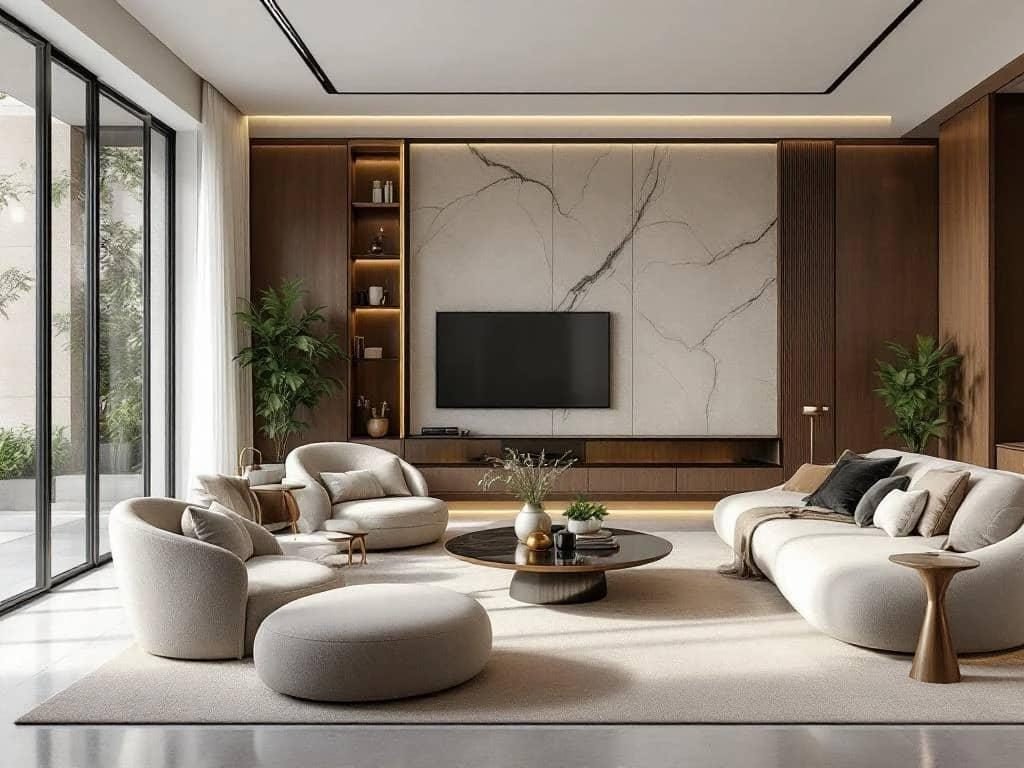
Natural stone, including marble, granite, travertine and slate, offers a level of luxury and individuality that manufactured materials cannot replicate. No two slabs or tiles are identical, so a stone splashback is genuinely one of a kind.
Stone is porous, though, and needs more care than ceramic or glass. To prevent staining from oils and acidic foods such as lemon or tomato sauce, it should be sealed when installed and resealed periodically. Many designers now choose full-slab splashbacks, where a single large piece of stone replaces tiles, creating a seamless, high-end look with no grout lines at all.
4. Stainless steel
If you admire the “chef’s kitchen” or an industrial look, stainless steel is a natural choice. It is hygienic, heat-resistant and extremely durable, which is why it is the standard in commercial kitchens, where it must withstand high-heat cooking and heavy-duty cleaning.
At home, stainless steel can be used as a single sheet for a minimalist look or as metallic tiles for added texture. It is easy to clean but shows fingerprints and water spots, so expect to wipe it down regularly with a microfibre cloth to keep it pristine.
5. Brick veneer
Brick splashbacks bring history, warmth and architectural interest. They are particularly effective in industrial lofts, rustic farmhouses and Mediterranean-style kitchens. Because full-sized bricks are too heavy and bulky for most splashbacks, designers use thin brick slips or veneers.
Brick is porous and textured, so it can be hard to clean if grease lands directly on it. Many people fit a clear toughened glass panel over the brick behind the hob, or use a good-quality matte sealer to protect the surface while keeping its rugged look.
6. Mirror
A mirrored splashback is a secret weapon for small or dim kitchens. By reflecting the rest of the room and any available light, it creates an impression of depth and visually doubles the space. A plain clear mirror can feel a little like a bathroom, but antiqued or tinted mirrors, in bronze or smoke, add vintage glamour and sophistication.
Mirror is easy to clean with ordinary glass cleaner. Like stainless steel, though, it shows every smudge and splash, so it suits households that don’t mind a quick daily wipe.
7. Wood panelling
Wood might not be the first material you think of for a wet area like a kitchen, but treated correctly it adds great character and warmth. Tongue-and-groove, shiplap and reclaimed planks are popular in cottage, coastal and rustic schemes.
The key is moisture protection: wood must be finished with a hard-wearing varnish or enamel paint to prevent rotting or warping. A non-combustible material, such as stone, glass or metal, is also recommended directly behind the hob, so many kitchens mix materials for safety and style. Check your hob manufacturer’s guidance and any local regulations before you choose.
Tip: Whatever your main splashback material, the area behind the hob takes the most heat and grease, so choosing an easy-clean, heat-resistant surface there will save effort for years.
8. Peel-and-stick
For renters or anyone on a tight budget, peel-and-stick splashbacks have become a popular option. They are usually made from thin vinyl or composite with a strong adhesive backing, and modern versions offer 3D textures and realistic prints that can convincingly mimic stone or ceramic from a distance.
They will not last as long as permanent tile, and they are best kept away from the hob, but they cope well with light kitchen use. Their main appeal is ease of installation: they can be fitted in an afternoon without saws, adhesive or grout.
Key design considerations
When choosing your material, keep these three design factors in mind:
- The power of grout: grout is not just a filler; it is a design element. A contrasting grout, such as charcoal with white tile, emphasises the shape and pattern of the tiles, while a matching grout creates a seamless look that feels more modern and spacious.
- Layout patterns: don’t feel restricted to horizontal rows. Subway tiles can be laid in herringbone, chevron, vertical stack or basketweave patterns to add visual interest without changing the tile itself.
- Height and scale: a standard splashback stops at the underside of the wall cabinets, but many modern designs take the material all the way to the ceiling, especially around windows or extractor hoods. This accent-wall approach creates dramatic vertical impact and makes the kitchen feel more expansive.
By considering your lifestyle and the architecture of your home, you can choose a splashback that not only protects your walls but becomes a beautiful centrepiece for years to come.
For more kitchen inspiration, read our complete guide to kitchen decoration and kitchen cabinet colour combinations, or explore our kitchen decoration service. To plan your own splashback, book a consultation.


