Living Room Decor Furniture Styling
The Ultimate Guide to Scratch-Resistant Sofa Fabrics
Which sofa fabrics stand up to claws: microfibre, performance velvet, faux leather, canvas and distressed leather, plus how to read rub counts and which weaves to avoid.
By Admin Published 8 min read

Choosing a sofa is one of the most significant investments a homeowner makes. It is the centrepiece of the living room, the site of countless film nights and a place to relax. For pet owners and parents, though, the dream of a beautiful sofa often clashes with the reality of sharp claws, abrasive toys and general wear and tear. Traditional fabrics such as linen or loose-weave wool, while lovely to look at, are often a magnet for snags and visible scratches.
To keep a smart home without sacrificing the comfort of your furry companions, the focus needs to shift from standard upholstery to tougher, more scratch-resistant textiles. This guide explains what makes a fabric durable, the materials that tend to perform best, and how to choose a sofa that stands the test of time, and claws. No fabric is truly scratch-proof, but some resist damage far better than others.
1. Microfibre
Microfibre, often sold as microsuede or faux suede, is one of the most reliable choices for scratch resistance. Its durability comes from its construction. Unlike traditional woven fabrics with distinct horizontal and vertical threads (warp and weft), microfibre is made from very fine synthetic fibres, usually polyester or nylon, packed into a dense, tight surface.
Because there are no visible loops or gaps, it is very hard for a cat’s claw or a dog’s nail to catch. When a pet scratches microfibre, the claws tend to slide over the surface rather than hooking in. Microfibre also resists staining well: many spills can be blotted or wiped with a damp cloth before they soak in, although you should always check the cleaning code first. If you want the softness of suede with the resilience of a performance fabric, microfibre is an excellent choice.
2. Performance velvet
For a long time, velvet was considered too delicate for busy homes. Traditional silk or cotton velvets are prone to crushing and marking. Performance velvet, usually made from polyester, has changed that. It is characterised by a very short, dense pile.
That dense pile protects the base fabric. A short, cut pile has no loops for a claw to hook, so it resists snagging much better than looped or loosely woven fabrics, but a determined cat can still pull or flatten it, so it is snag-resistant rather than snag-proof. The soft sheen and texture of velvet are also good at disguising small marks and pet hair. It offers a luxurious, high-end look, and many performance velvets carry a heavy-duty abrasion rating; check the rating for the specific fabric (see the technical specifications below).
3. Synthetic leather
Genuine leather is durable, but it can take deep scratches that are hard to repair, especially in aniline or “naked” finishes. Synthetic leathers, such as good-quality polyurethane (PU) or other “vegan” leathers, have no weave, so there is nothing for a claw to snag. That does not make them claw-proof: thin or bonded types can be punctured by claws and may crack or peel over time.
The better synthetic leathers have a thicker surface layer and a sturdy backing. They are very easy to clean, as hair and dander slide off or vacuum away quickly. For households with dogs, a thick, good-quality synthetic leather can be a practical, hard-wearing choice. For cats that actively scratch, though, it is less forgiving than microfibre or performance velvet, because pinprick holes cannot be hidden or repaired (see the FAQ below).
4. Canvas
Canvas and its cousin, duck cloth, have been staples in hard-wearing settings for decades. Usually made from heavyweight cotton or a cotton-polyester blend, canvas is defined by its very tight, plain weave. Because the weave is so compact, it is difficult for a claw to find a purchase point.
One of the greatest advantages of canvas is that it works so well for slipcovers. Many people choose canvas slipcovered sofas because the covers can be removed and laundered; check the care label for washing temperatures and shrinkage. If a cat does leave a mark, the rugged, utilitarian texture tends to hide it well. It is a workhorse fabric that suits relaxed, farmhouse or coastal interiors while standing up well to everyday wear.
5. Distressed leather
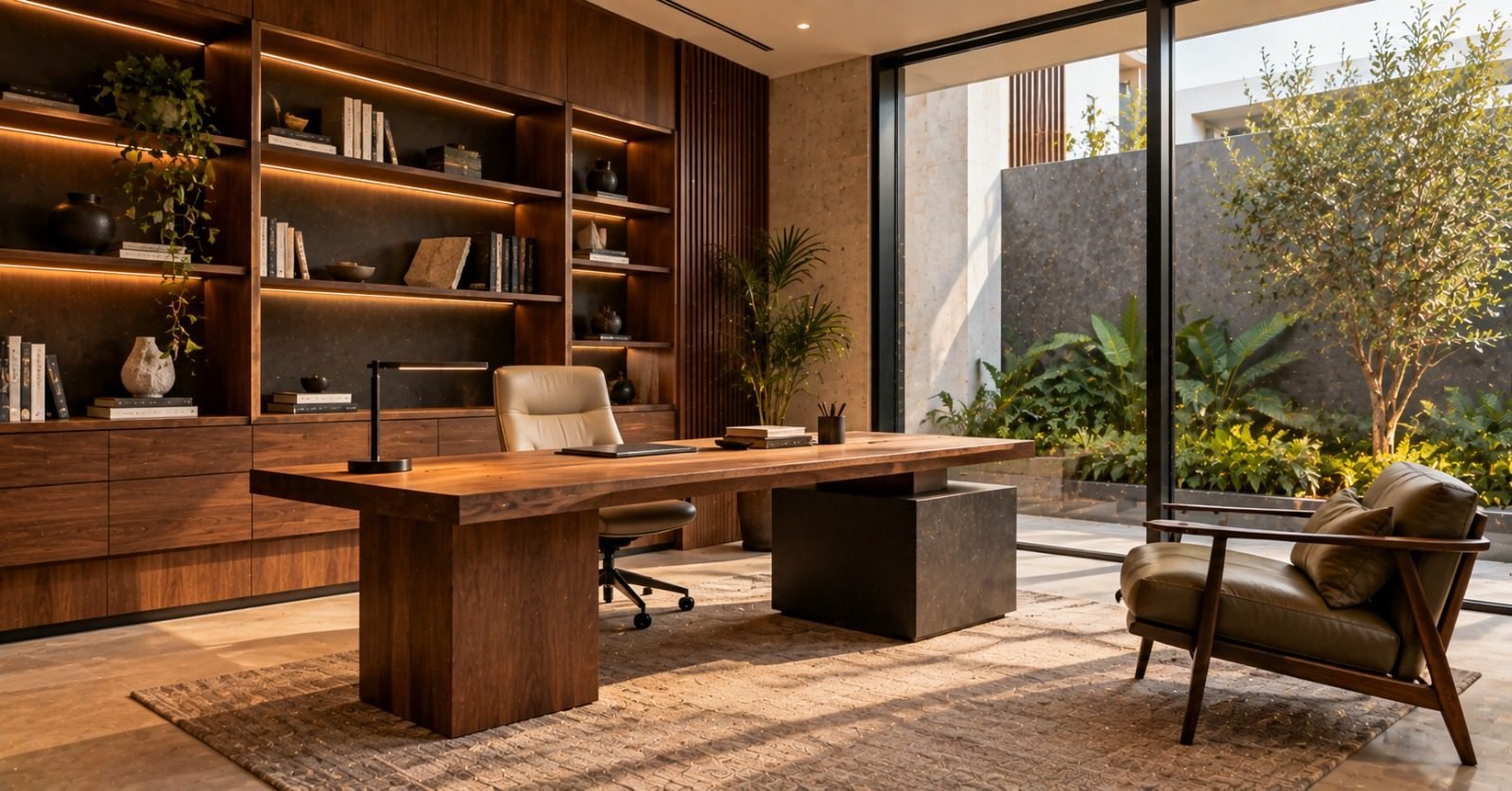
If you want genuine leather, distressed or top-grain varieties with a protective finish are your best bet. Distressed leather is designed to look aged and worn, so its existing texture helps camouflage new marks.
Unlike bicast or bonded leathers, which can peel when scratched, good-quality top-grain leather is thick and resilient. Minor surface scratches can often be softened by rubbing with your fingers or with a leather conditioner suited to the finish; test any product on a hidden area first and follow the manufacturer’s guidance. Over time, these marks become part of the patina, making the piece look characterful rather than damaged. It is a choice for those who appreciate a natural material and are happy to do occasional maintenance to keep the leather supple.
Technical specifications: what to look for
When shopping for a scratch-resistant sofa, look beyond the name of the fabric and ask for its abrasion rating. This is measured by one of two tests, which simulate the friction of people sitting down and getting up:
- Wyzenbeek (used mainly in the US) reports results in “double rubs”.
- Martindale (used in the UK and Europe) reports results in “cycles” or “rubs”.
The two tests work differently, so their numbers are not directly comparable: a Wyzenbeek figure cannot be converted into a Martindale figure. In the UK you will mostly see Martindale ratings, and around 25,000 cycles or more is commonly cited as suitable for heavy domestic use. Whichever test is quoted, ask the retailer or fabric supplier whether the fabric is rated for heavy-duty or general domestic use, and bear in mind that abrasion tests measure rubbing wear, not resistance to claws.
Also consider the “hand” of the fabric. In textile terms, the hand is how the fabric feels. Smooth, slippery or dense fabrics are generally better for scratch resistance than those with a toothy or loopy hand. Tweed and bouclé are notoriously bad for pets, as their looped textures are essentially a giant scratching post for cats.

Maintenance and longevity
Even the most scratch-resistant fabric needs looking after.
- Regular vacuuming: dust and grit act like fine sandpaper. When a pet moves around on a gritty sofa, it speeds up wear on the fibres. Vacuum weekly with a soft brush attachment.
- Nail maintenance: no fabric is indestructible. Keeping your pets’ nails trimmed is the first line of defence; ask your vet or groomer if you are unsure how.
- Spot cleaning: use mild, pH-neutral cleaners that match the fabric’s cleaning code. Harsh chemicals can break down the protective finishes on performance fabrics, making them less effective and more prone to damage over time.
Tip: Ask for a fabric sample and rub it firmly with a fingernail or a stiff brush at home. If threads lift or loops pull easily, a cat’s claws will find them too.
Final thoughts
- Prioritise tight weaves: the tighter the weave, the less likely a claw is to snag. Avoid fabrics where you can easily see individual threads or loops.
- Consider synthetics: linen and cotton are breathable, but tightly constructed synthetics such as polyester and nylon microfibres often cope better with the mechanical stress of scratching.
- Microfibre is a strong all-rounder: for a pet-friendly home, microfibre or microsuede offers very good snag resistance and is easy to clean.
- Performance velvet for luxury: if you want a more sophisticated look, a short, dense performance velvet offers good durability without the utility look of canvas.
- Check the rating: ask for a heavy-duty abrasion rating, and remember that Wyzenbeek and Martindale figures are not interchangeable.
Frequently asked questions
Is leather or fabric better for cats?
For cats, microfibre or performance velvet is generally a better choice than leather, real or synthetic. Leather is easy to clean, but sharp claws can puncture it and leave permanent pinprick holes. Microfibre is very hard for claws to catch.
Can distressed leather really hide scratches?
Largely, yes. Distressed leather has uneven colour and texture by design, so small scuffs blend into the natural variations of the hide. Deep gouges will still show, so it tends to suit dogs better than cats that actively scratch furniture.
What is the Martindale test?
The Martindale test measures a fabric’s resistance to abrasion. A sample is rubbed against a standard abrasive surface under a set pressure, and the number of cycles it survives before showing wear is recorded. The higher the number, the more durable the fabric. It is the standard test in the UK and Europe; the US Wyzenbeek test uses a different method, so the two sets of figures should not be compared directly.
Are performance fabrics safe for children and pets?
Performance fabrics often rely on stain-resistant finishes, and formulations vary between manufacturers. Look for independent low-emission certifications, ask the supplier what treatments have been applied, and air a new sofa in a well-ventilated room before children and pets settle on it.
Can I use a fabric protector spray on my sofa?
Possibly, but check the manufacturer’s cleaning code first (W, S, WS or X). Some fabrics can be damaged by the solvents in protector sprays, and many performance fabrics already have a factory-applied finish. Test any spray on a hidden area and follow the sofa maker’s guidance.
For a closer comparison of materials, read our guide to pet-friendly sofa fabrics: performance vs leather, see non-toxic decor for cats, and plan where your new sofa goes with our living room furniture arrangement guide. Explore our furniture styling service, or book a consultation to choose a sofa that suits your whole household.


