Creating a Feline Sanctuary: The Ultimate Guide to Non-Toxic Plants and Decor
Cat-safe houseplants and decor: spider plants, Boston ferns, areca palms, calatheas and money trees, plus sisal scratchers, cat shelves, rattan beds and cat grass.
By Admin Published 8 min read

For the modern cat owner, the home is a shared ecosystem. We want an interior that reflects our personal style (chic, organic and vibrant) while keeping our feline companions safe and happy. The challenge often lies in the “jungle” look. Many of the most popular houseplants, such as lilies, pothos and monsteras, are toxic to cats, and true lilies are especially dangerous. However, a cat-proof home does not have to be a sterile one.
By choosing plants and furniture that suit a cat’s natural instincts, you can create a “catified” home that looks like it belongs in a design magazine. This guide covers the best non-toxic plants for cats and the stylish decor pieces that keep them safe and stimulated. For the materials side (textiles, solid wood, finishes, flooring and lighting), see our companion guide to non-toxic decor for cats.
There is no official “cat-safe” certification for plants, so always check the botanical name against the ASPCA’s toxic and non-toxic plant lists before you buy. This is design guidance, not veterinary advice: if your cat eats something harmful, contact a vet immediately.
1. Spider plant
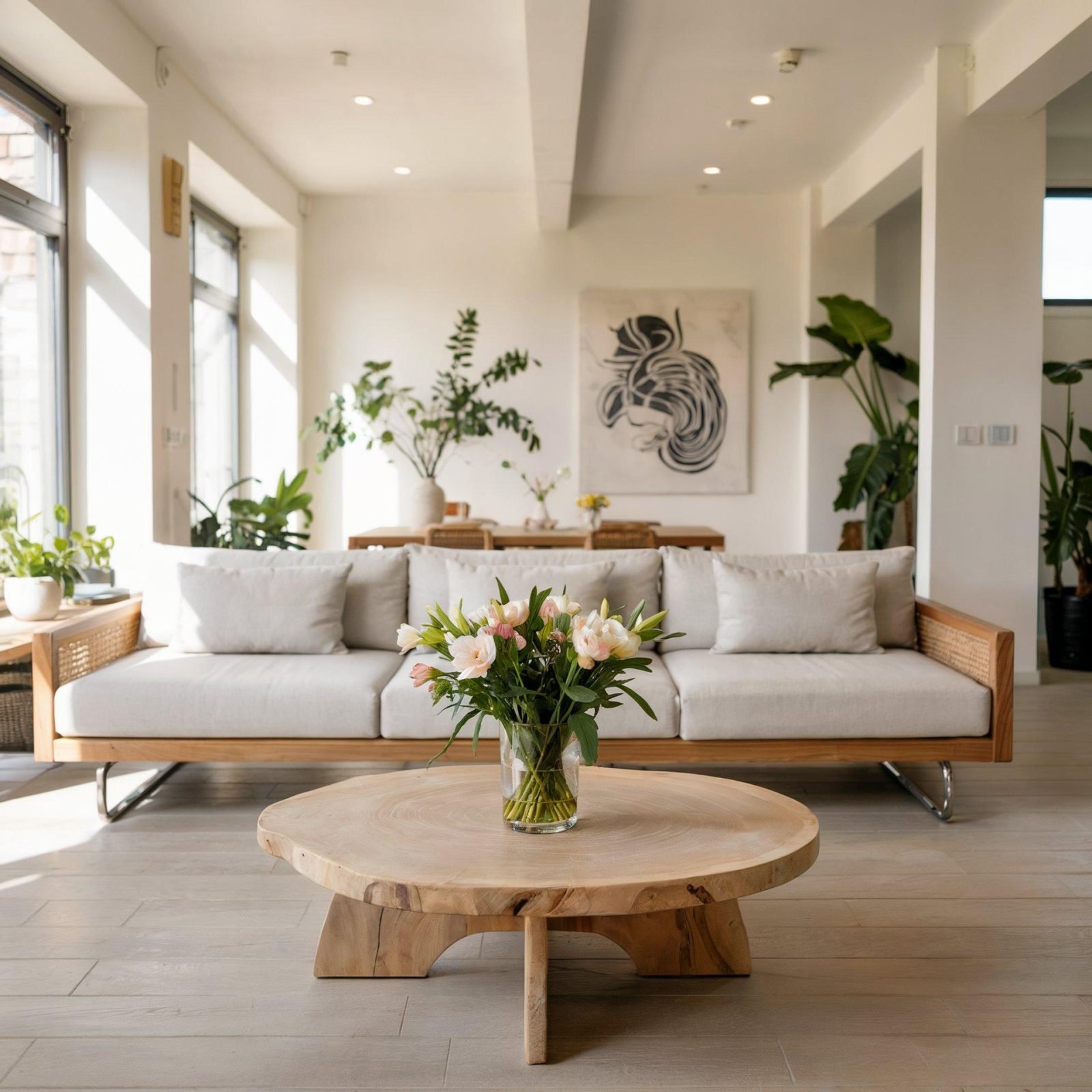
The spider plant (Chlorophytum comosum) is perhaps the most iconic cat-friendly plant. It is resilient and easy to grow for those without green fingers, and it has an “interactive” quality: cats are naturally drawn to its long, spindly leaves and the plantlets that hang down from the mother plant.
Many cats are drawn to it, and eating a lot of it can upset the stomach, so it is worth keeping it partly out of reach. From a design perspective, spider plants are perfect for hanging baskets, which keep them at a height where they add visual texture without being completely destroyed by an over-eager kitten.
2. Boston fern
The Boston fern (Nephrolepis exaltata) is the classic way to add lush, prehistoric-looking volume to a room. It is listed as non-toxic to cats by the ASPCA, unlike some plants sold as “ferns”, such as the asparagus fern. Boston ferns love humidity, making them excellent choices for a bathroom or a well-lit kitchen.
Their feathery texture is irresistible to cats who enjoy hiding behind foliage. Give them a pot that is heavy and wide enough not to tip if a cat brushes past.
3. Areca palm
If you want to add a tropical, architectural element to your home, the areca palm (Dypsis lutescens) is a good choice. While some plants sold as palms, such as the sago palm, are seriously toxic to pets, the areca is listed as non-toxic to cats.
The areca palm provides height and vertical interest in empty corners. Cats love the rustling sound the fronds make, often treating the base of the plant as a private jungle hideout. A large woven seagrass basket around the pot adds texture and makes the compost harder to reach.
4. Calathea
Calatheas, often called “prayer plants” because their leaves fold up at night, are the crown jewels of non-toxic plants. They come in a variety of stunning patterns, from the pinstripes of Calathea ornata to the velvety leaves of Calathea warscewiczii.
They are listed as non-toxic to cats, though eating any plant can cause mild stomach upset. Because calatheas prefer indirect light, they are perfect for flats that don’t get harsh, direct sun, and they let cat owners indulge in “leaf art” with fewer worries.
5. Money tree
The money tree (Pachira aquatica) is a staple in Feng Shui, where it is traditionally believed to bring good luck and prosperity. For cat owners, the appeal is that it is listed as non-toxic. The braided trunk is visually striking and sturdy, while the canopy provides a burst of green.
The trunk might be tempting as a scratching post, so make sure dedicated scratching surfaces are nearby. The money tree is a hardy survivor, making it a great long-term choice for a cat-friendly interior.
6. Sisal scratchers
Decorating for cats involves more than plants; it is also about the pieces you bring into the home. Sisal is a natural fibre from the Agave sisalana plant. It is very durable and gives the right resistance for a cat to shed its claw sheaths.
Instead of traditional carpet-covered cat trees that can look dated, modern sisal scratchers come with clean lines and neutral tones. They blend into a Scandinavian or minimalist scheme while satisfying a cat’s instinct to mark territory through scent and scratching. Choose a post tall enough for a full stretch and with a heavy base so it doesn’t wobble.
7. Floating shelves
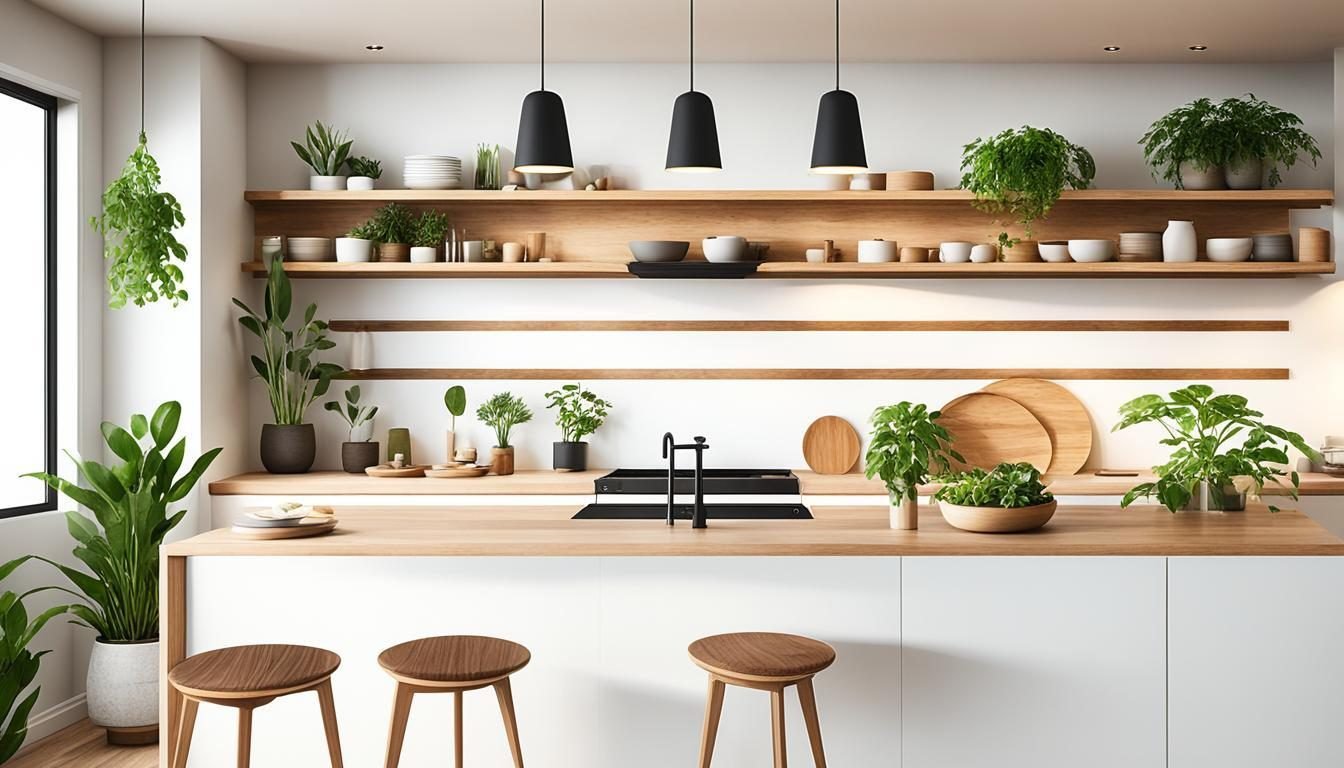
In cat-friendly design, vertical space is a core concept. Cats often feel safest high up, surveying their kingdom. Floating shelves designed for cats (often called “cat walks”) let you use wall space rather than floor space.
Shelves in reclaimed wood can turn a functional cat item into a wall installation. Acrylic shelves look sleek but can be slippery, so add grip mats if you use them. A piece of non-slip cork or felt on top of any shelf helps your cat jump and land safely while adding a tactile touch. Fix cat shelves securely into studs or masonry with fixings rated for the load, as they must take the force of a jumping cat, not just its weight. If you rent, get your landlord’s permission before drilling.
8. Natural rattan
Rattan and wicker are enjoying a big revival in interior design, and they work well in homes with cats. They are breathable and natural, with a texture many cats find comforting.
A rattan cat bed or egg chair makes a beautiful accent piece in a bohemian-style living room. Compared with many plastic or synthetic beds, rattan is breathable and less likely to trap heat or odours, and it provides a sturdy structure that many cats like for their afternoon naps. Check regularly for loose or broken strands that a cat could chew.
9. Cat grass
If your cat is a notorious plant-muncher, the best defence is a good offence: give them their own greenery. Cat grass (usually oat, rye, wheat or barley seedlings) is easy to grow in decorative ceramic bowls or vintage tins.
Placing these “snack stations” in accessible spots can distract your cat from your more prized plants. Cat grass works as both a treat and a pop of vibrant green on a windowsill or kitchen worktop.
Tip: Sow a fresh bowl of cat grass every couple of weeks so there is always a lush one ready when the old one starts to flop.
Understanding feline psychology and decor
Designing for a cat requires a shift in perspective. We see a shelf as a place for books; a cat sees a highway. We see a plant as a splash of colour; a cat sees a potential toy or snack. To keep a beautiful home, provide “yes” spaces that outweigh the “no” spaces.
When choosing decor, avoid dangly hazards such as long curtain tassels or thin wire decorations that could be swallowed. Opt instead for heavy, stable objects that cannot easily be knocked over during a burst of “zoomies”. Use museum putty on the bottom of vases and breakables to anchor them to surfaces.
Also consider the scent of your home. Many essential oils, including peppermint, tea tree and cinnamon, are toxic to cats when inhaled or touched. Avoid potpourri, reed diffusers and essential-oil products around cats; lavender, for example, is listed as toxic to cats by the ASPCA. If you love candles, choose unscented ones, never leave them unattended, keep them out of your cat’s reach and ventilate the room.
Final thoughts
A cat-friendly home can still be green, layered and stylish. Start with plants listed as non-toxic, check every botanical name, and give your cat its own scratchers, high perches, cosy beds and cat grass so your decor isn’t the main entertainment.
Frequently asked questions
Are succulents safe for cats?
Not all of them. Echeveria and Haworthia are commonly listed as non-toxic, but popular succulents such as jade (Crassula) and aloe vera are listed as toxic and can cause vomiting or lethargy if eaten. Always check the specific species before buying.
My cat keeps digging in the compost of my non-toxic plants. How can I stop this?
Cover the compost with large, smooth river stones or a pot grate. This stops your cat reaching the compost while still letting you water the plant. Avoid small pebbles or moss, which can be swallowed or tracked around the house.
What should I do if my cat eats a toxic plant?
Contact your vet immediately. Do not wait for symptoms to appear. If possible, take a photo of the plant or bring a sample with you so the vet can identify it.
Are dried flowers safe for cats?
It depends on the flower. Dried eucalyptus and baby’s breath are common in bouquets but are toxic to cats. Dried flowers are also brittle and can cause choking or irritation if chewed, so it is usually best to keep dried arrangements out of reach.
How can I protect my furniture from cat hair while keeping it stylish?
Choose tight-weave fabrics such as microfibre or performance velvet with a short, dense pile, which are less likely to snag and easier to brush clean; our guide to scratch-resistant sofa fabrics goes into more detail. Throws in natural cotton or wool protect your sofa while adding a layered, cosy look.
For the materials side of a cat-friendly home, read our guide to non-toxic decor for cats, then explore scratch-resistant sofa fabrics and pet-friendly sofa fabrics: performance vs leather. Our home accessories styling service can help you choose plants, pots and pieces that suit you and your cat, or book a consultation to get started.


