Bedroom Decor Small Space Decor
Maximising Every Inch: The Ultimate Guide to Small Bedroom Decorating and Storage
Ten small bedroom decorating and storage ideas, from floating shelves and under-bed drawers to wall lights, mirrors, high curtains and tall wardrobes.
By Admin Published 6 min read

Living in a compact space does not mean you have to sacrifice style or comfort. In fact, small bedrooms often provide a unique opportunity to create a cosy, curated sanctuary that reflects personal taste while showcasing organisational ingenuity. The key to mastering a small bedroom lies in the delicate balance between aesthetic choices and functional utility. By shifting your perspective from “lack of space” to “efficiency of space”, you can transform a cramped room into a sophisticated retreat.
The following strategies cover everything from architectural tricks to decorative flourishes, helping every part of your bedroom serve a purpose.
1. Floating shelves
When floor space is at a premium, look to your walls. Floating shelves are an exceptional way to add storage without the visual weight of a bulky bookcase. By leaving the floor underneath clear, the room feels more open and airy. You can install these shelves high up near the ceiling to store items you don’t use daily, or place them beside the bed to act as a space-saving bedside table. The clean lines of floating shelves contribute to a contemporary, uncluttered look that suits small-scale living.
2. Under-bed storage
The area beneath your bed is often the largest untapped resource in a small bedroom. Instead of letting dust collect, use this space for hidden storage. You can opt for a bed frame with built-in drawers or use sleek, low-profile bins that slide easily underneath. For those with very limited wardrobe space, storing off-season clothing in vacuum-sealed bags under the bed can free up a good amount of hanging room. If your bed is too low, consider using bed risers to create the clearance needed for storage containers.
3. Multi-functional furniture
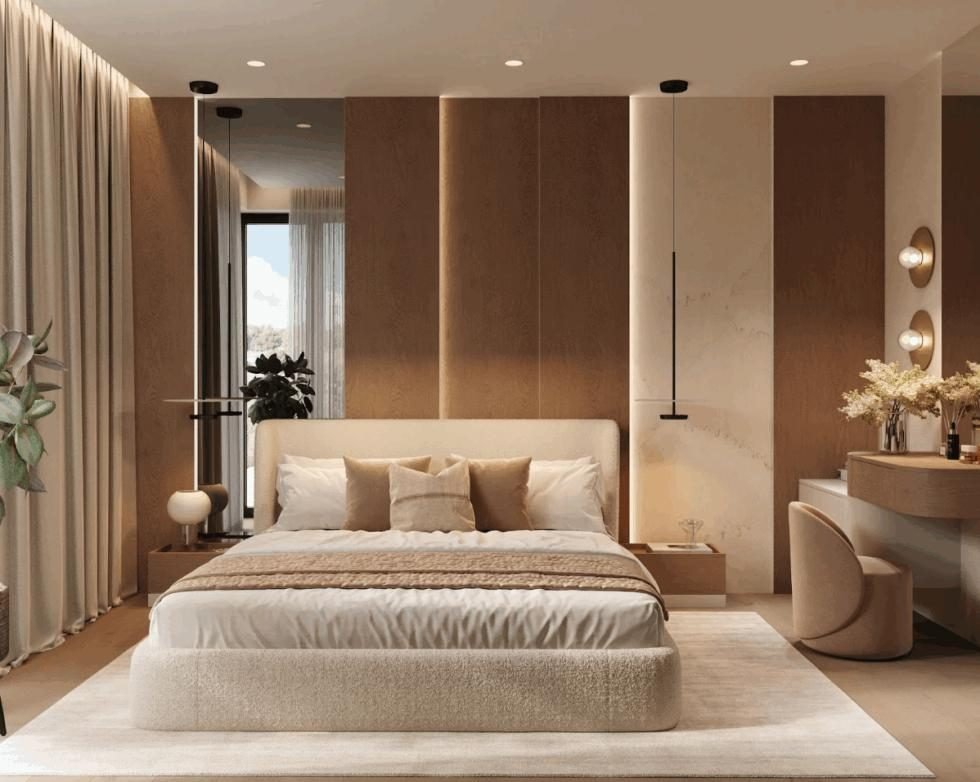
In a small bedroom, every piece of furniture should ideally perform more than one task. A desk that doubles as a bedside table, a storage ottoman at the foot of the bed that serves as seating, or a headboard with built-in niches for books are all excellent examples. This “workhorse” furniture reduces the total number of pieces needed in the room, which helps prevent a cluttered appearance. Look for pieces with slim profiles and clean lines to maintain a sense of flow.
4. Wall-mounted lighting
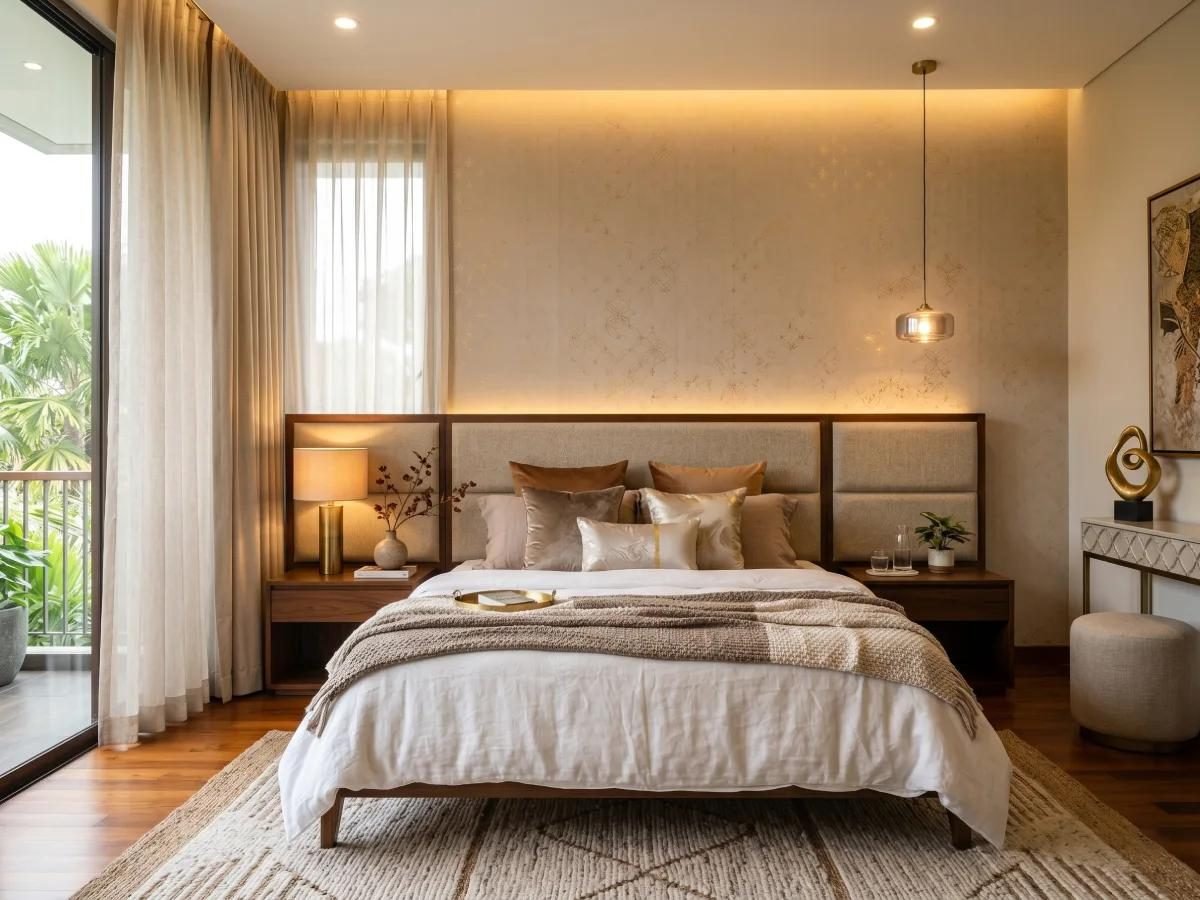
Table lamps require surface area on bedside tables, which are often small or non-existent in tiny rooms. Wall-mounted sconces or pendant lights hanging from the ceiling are good alternatives. They provide task lighting for reading while keeping your bedside surfaces clear for essentials like a glass of water or a phone. Swing-arm sconces are particularly useful as they can be adjusted to direct light exactly where you need it, and they add a sophisticated, hotel-like feel to the decor.
5. Mirror placement
Mirrors are a classic interior design trick for expanding the perception of space. By reflecting both natural and artificial light, they make a room feel brighter and more expansive. Placing a large mirror opposite a window is one of the most effective ways to “double” the view and the light. For a more dramatic effect, consider mirrored wardrobe doors, which can visually dissolve a wall and make the bedroom feel noticeably larger than its actual footprint.
6. High curtains
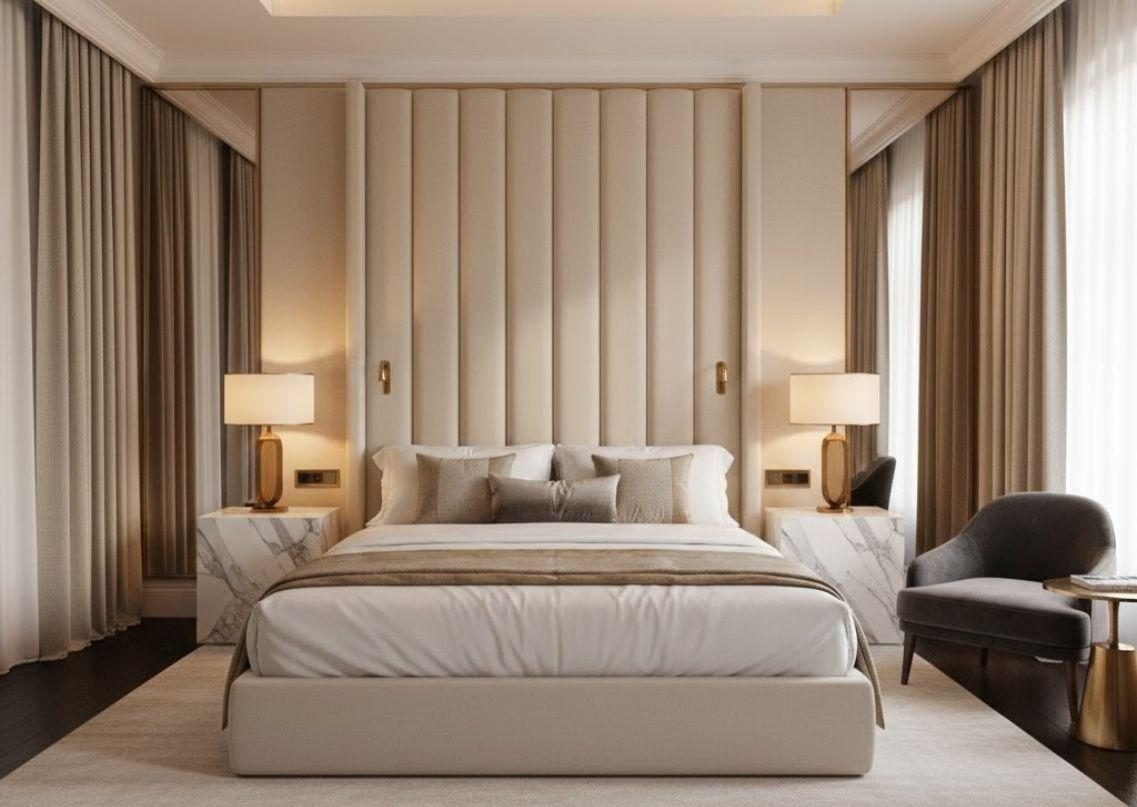
A common mistake in small rooms is hanging curtain poles directly above the window frame. To create the illusion of height, mount your curtain pole as close to the ceiling as possible and let the fabric extend all the way to the floor. This draws the eye upwards, making the ceiling feel higher and the room feel grander. Opt for light-coloured or sheer fabrics to keep the space feeling breezy, or match the curtain colour to the wall colour for a seamless, tonal look that helps the space feel larger.
7. Acrylic furniture
Visual clutter can make a small room feel crowded. One way to combat this is by using “ghost” furniture: items made of clear acrylic or glass. Because you can see right through them, they take up very little visual space while still providing the function you need. An acrylic chair or a glass-topped desk allows the lines of the floor and walls to remain visible, which can make the room feel more open than it actually is.
8. Tall armoires
When you cannot expand outwards, expand upwards. A tall, narrow armoire or wardrobe uses vertical space that would otherwise go to waste. Unlike wide chests of drawers that eat up floor area, a vertical unit provides a large amount of storage within a small footprint. To make these large pieces feel less imposing, choose a colour that matches your walls so the furniture blends into the background.
Tip: Before buying a tall wardrobe, measure the ceiling height, the door swing and the route through hallways and stairs, so the piece fits both the room and the journey to it.
9. Light colour palettes
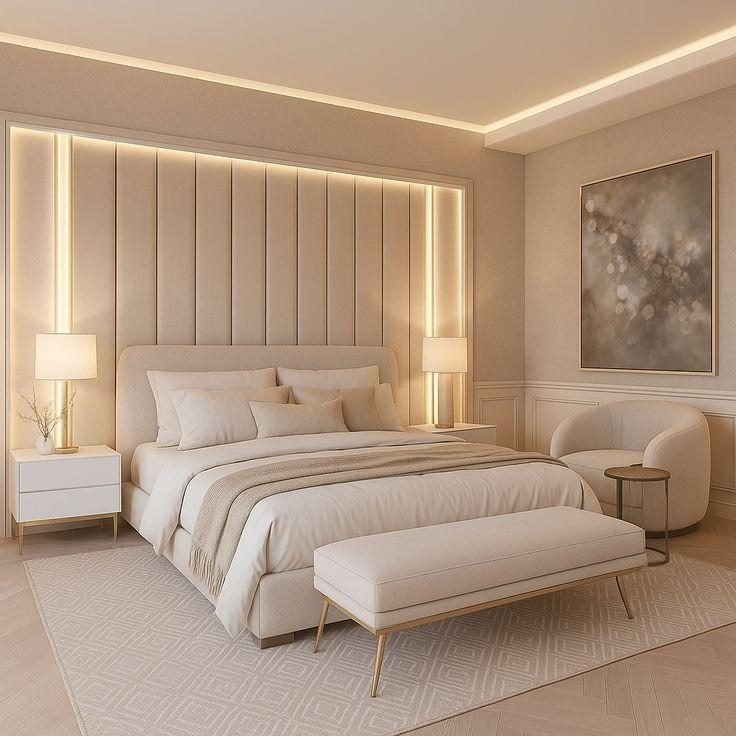
While dark colours can create a moody, “jewel-box” feel, many people find that light and neutral palettes make a small room feel more open. Shades of white, cream, light grey and soft pastels reflect more light and keep the atmosphere feeling fresh. To prevent a light-coloured room from feeling flat, incorporate various textures, such as a chunky knit throw, a jute rug or velvet cushions. This adds depth and interest without the need for heavy, space-consuming decor.
10. Corner units
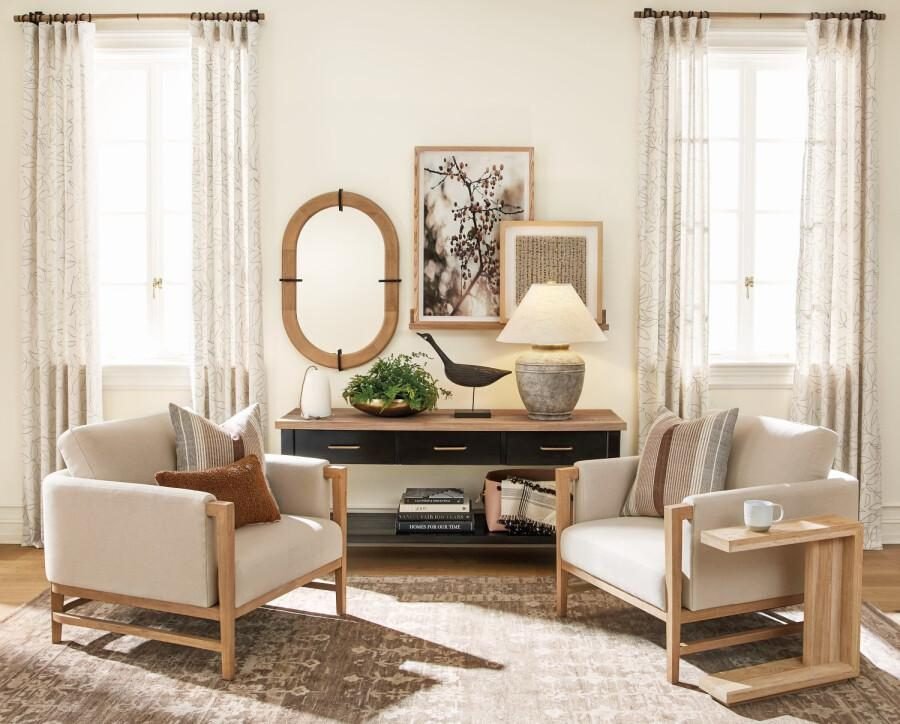
Corners are frequently overlooked in bedroom design, yet they offer valuable space. Corner shelves, a corner desk or even a small corner armchair can turn an awkward nook into a functional zone. By filling the corners, you pull the focal point away from the centre of the room, which can make the layout feel more balanced and well used. Made-to-measure solutions often work best for corners, as they can be tailored to the exact dimensions of your space.
Small room, big impact
A small bedroom works best when every choice earns its place, from the storage you hide under the bed to the light you bounce around with a well-placed mirror. Start with the ideas that solve your biggest frustration, then layer in colour, texture and lighting until the room feels like a calm, cosy retreat.
For more inspiration, read our guides on how to decorate a small bedroom, storage ideas for small homes and small living room decorating ideas. Our bedroom decoration service can plan and style your space, or you can book a consultation.


